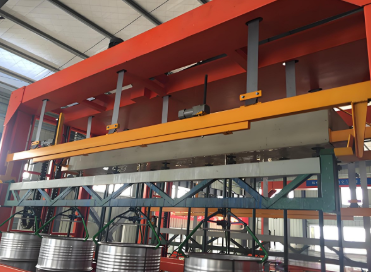
Diesel Drum Electroplating Production Line
The Diesel Drum Electroplating Production Line is a highly specialized barrel plating line designed specifically for critical diesel engine components (e.g., cylinder liners, plungers, nozzle bodies).
In the diesel engine industry, component durability directly influences engine reliability, fuel efficiency, and service life. Critical parts such as cylinder liners, plungers, nozzle bodies, delivery valves, and piston rings operate under high pressure, elevated temperatures, and constant friction. To meet these demanding conditions, manufacturers require a surface treatment process capable of delivering consistent hardness, wear resistance, and corrosion protection.
A Diesel Drum Electroplating Production Line is specifically developed for this purpose. Unlike conventional plating systems, it is designed to process large quantities of small, precision metal components efficiently while maintaining excellent coating consistency and production stability.
Designed for Precision Diesel Engine Components
This specialized barrel electroplating line is widely used in the production of diesel engine parts, including:
-
Cylinder liners
-
Fuel injector plungers
-
Delivery valves
-
Nozzle bodies
-
Piston rings
-
Other cylindrical or ring-shaped precision components
The system supports various functional coating processes such as:
-
Hard chrome plating
-
Chromium electroplating
-
Electroless nickel plating
-
Other wear-resistant surface treatments
Rather than focusing on decorative finishes, the line is engineered to improve mechanical performance and extend component service life.
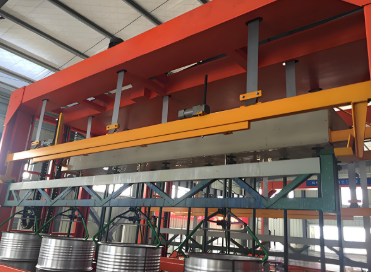
How the Drum Electroplating Process Works
The production line uses specially designed rotating barrels to hold large quantities of small workpieces.
During electroplating, the barrel rotates slowly inside the plating tank, allowing the parts to tumble continuously. This controlled movement ensures that every component is repeatedly exposed to the electrolyte and electrical current, promoting uniform metal deposition across the entire surface.
The optimized barrel structure also minimizes dead zones where plating quality could otherwise become inconsistent.
Advantages of Barrel Electroplating for Diesel Parts
Excellent Coating Uniformity
Continuous rotation improves solution circulation and current distribution, helping achieve consistent coating thickness even on complex surfaces, grooves, and internal areas.
High Production Efficiency
Instead of processing parts individually, thousands of components can be plated in a single batch. This significantly increases production capacity while reducing cycle times.
Stable Production Quality
The line is developed around fixed production parameters, allowing manufacturers to maintain excellent repeatability from batch to batch.
Lower Operating Costs
Automated transfer, loading, and unloading reduce labor requirements while minimizing production interruptions.
The barrel design also reduces chemical drag-out, helping lower plating solution consumption and operating expenses.
Optimized for Functional Surface Protection
Diesel engine components require coatings that can withstand harsh operating environments.
A professional diesel drum electroplating line helps manufacturers achieve:
-
Improved wear resistance
-
Enhanced corrosion protection
-
Increased surface hardness
-
Better dimensional stability
-
Longer component lifespan
-
Improved fatigue resistance
These benefits contribute directly to higher engine reliability and lower maintenance costs.
Advanced Barrel Design Makes the Difference
Not all barrel plating systems are created equal.
Professional production lines optimize multiple design factors, including:
-
Barrel perforation size
-
Internal lifting flights
-
Rotation speed
-
Current conduction method
-
Anode arrangement
-
Electrolyte circulation
These engineering details help prevent component jamming, improve solution flow, and ensure that every workpiece receives consistent exposure throughout the plating cycle.
Solving Common Electroplating Challenges
One of the biggest challenges in barrel plating is avoiding coating defects caused by uneven current distribution.
Modern diesel drum electroplating systems incorporate optimized electrical designs that help reduce issues such as:
-
Edge burning
-
Uneven coating thickness
-
Overplating
-
Poor adhesion
-
Current concentration
-
Surface defects
Carefully controlled process parameters also improve overall plating quality and reduce production waste.
Suitable for Large-Scale Manufacturing
Diesel drum electroplating production lines are ideal for manufacturers that require continuous processing of high-volume precision parts.
Typical industries include:
-
Diesel engine manufacturing
-
Automotive component production
-
Heavy machinery
-
Agricultural equipment
-
Marine engines
-
Construction machinery
-
Industrial power systems
The automated design allows manufacturers to increase throughput while maintaining consistent product quality.
Best Practices for Stable Electroplating Results
To maximize production quality, manufacturers should follow several key recommendations:
-
Process components with similar sizes in the same barrel.
-
Avoid mixing different geometries that may cause collisions or uneven coating.
-
Monitor current density throughout production.
-
Maintain stable electrolyte concentration and temperature.
-
Perform regular barrel inspections to ensure smooth rotation and proper electrical contact.
-
Follow scheduled maintenance for pumps, filtration, and drive systems.
These practices help improve coating consistency and extend equipment life.
Frequently Asked Questions
Can precision components be damaged during barrel plating?
Properly engineered barrels use optimized internal structures and carefully controlled rotation speeds to minimize impact between components. For extremely delicate or ultra-precision parts, a dedicated process evaluation is recommended.
Is it possible to plate different parts together?
Generally, no. Mixing components with different sizes or shapes may lead to inconsistent coating thickness, increased collision risk, or reduced plating quality. Processing similar parts in dedicated batches produces better results.
Can coating thickness be accurately controlled?
Yes. By controlling electrical current, plating time, electrolyte composition, and process temperature, manufacturers can maintain coating thickness within tight production tolerances. Minor variations between individual parts are normal in barrel plating and can be minimized through optimized process control.
Conclusion
As diesel engines continue to demand higher durability and longer service life, manufacturers require electroplating systems capable of delivering consistent, high-quality functional coatings.
A Diesel Drum Electroplating Production Line combines automated production, optimized barrel engineering, stable process control, and high-volume capacity into one efficient manufacturing solution. Whether producing fuel injection components, cylinder liners, piston rings, or other critical engine parts, this specialized plating line helps improve productivity, reduce operating costs, and achieve reliable coating performance that meets the rigorous standards of today's diesel engine industry.
Related products
-
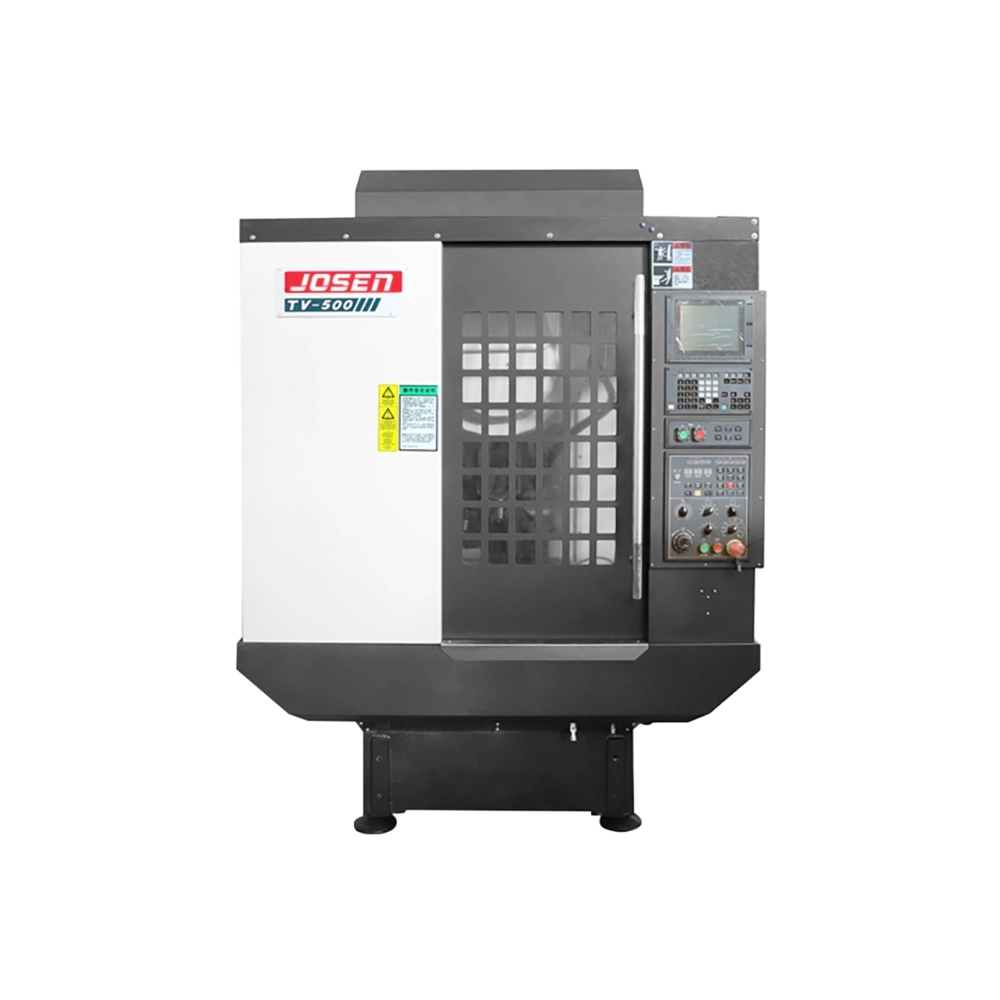
VMC 500 CNC Vertical Machining Center
Contact UsThe machine is suitable for communication, medical equipment, power tools, 3C products processing,etc.Three axes acceleration up to 1G, from standstill to 48m/min, just 0.2 seconds.
-
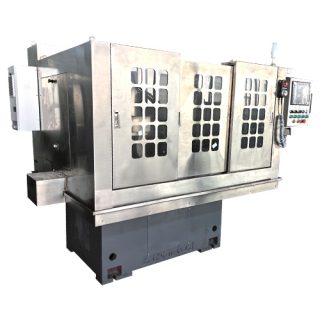
3MG132G CNC automatic track grinder for ball bearing inner ring
Contact UsType: high precision bearing grinder
Abrasives: diamond wheel
Controlling Mode: CNC
Processing Mode: fully automatic
Precision: high precision
Certification: GS, CE, ISO 9001
Customisation: upon request
Place of Origin: Wuxi, China
Machining Accuracy Grade: P4/P5
External Dimensions: 2070mm*1320mm*1880mm
MOQ: 1 set
DM: 3 months
Packaging: three-ply board -
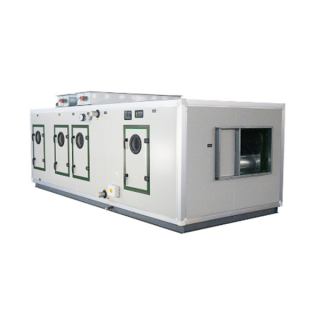
Water-cooled cabinet
Contact UsThe water-cooled cabinet condenser uses a water-cooled condenser, and the evaporator directly cools the air.
-
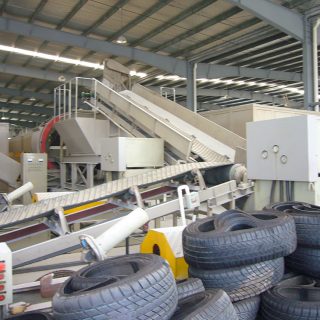
Waste Tyre Recycling Production Line
Contact UsPresently, waste tire recycling equipment provided by our domestic competitors usually can produce 20-40 meshe rubber powder under normal temperature.
Reviews
There are no reviews yet.