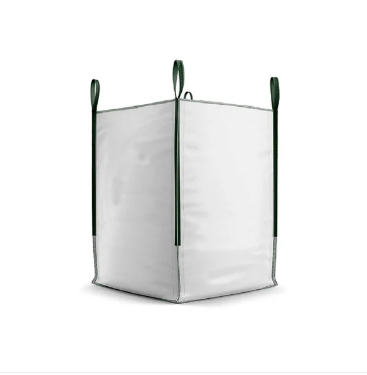
Type B Bags
Type B bags are constructed from insulating fabric but have a breakdown voltage less than 6 kV.This provision prevents the risk of energetic propagating brush discharges which can ignite dust-air mixt
In industries where combustible dust, powders, and sensitive materials are handled, selecting the right type of Flexible Intermediate Bulk Container (FIBC) bag is essential for maintaining workplace safety. Among the different FIBC classifications, Type B bags are designed to provide controlled protection against electrostatic risks while offering reliable bulk material handling performance.
Unlike standard packaging bags, Type B FIBC bags are manufactured using specially selected insulating fabrics with controlled electrical properties. They are mainly used in environments where combustible dusts are present but where flammable gases, vapors, or solvents are not involved.
What Are Type B FIBC Bags?
Type B FIBC bags are constructed from insulating materials with a breakdown voltage of less than 6 kV. This design feature helps prevent the formation of energetic propagating brush discharges, which can create ignition risks when combustible materials are exposed to electrostatic energy.
During the transportation and handling of dry powders, friction between materials and packaging surfaces can generate static electricity. If the static discharge energy exceeds the minimum ignition energy (MIE) of surrounding combustible substances, it may cause dust explosions or fire hazards.
Type B bags are engineered to reduce this risk by limiting the strength of electrostatic discharges generated from the bag surface.
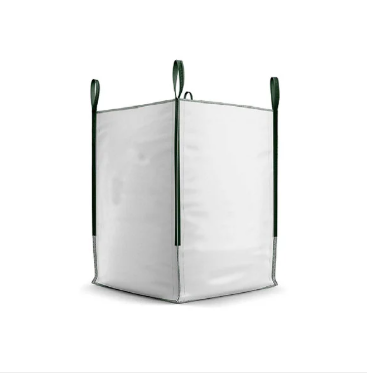
How Type B Bags Improve Workplace Safety
The primary safety advantage of Type B FIBC bags is their ability to minimize dangerous electrostatic discharge events.
When bulk materials are filled, emptied, or transported, electrostatic charges can accumulate due to particle movement and friction. Type B bags help control this hazard by ensuring that any discharge energy remains below the level capable of igniting certain combustible dust environments.
Key safety benefits include:
-
Prevention of energetic propagating brush discharges
-
Reduced risk of dust ignition
-
Improved safety during powder handling operations
-
Compliance with industrial electrostatic control requirements
These characteristics make Type B bags a suitable choice for industries handling combustible powders with controlled ignition risks.
Suitable Applications for Type B FIBC Bags
Type B FIBC bags are commonly used in industries where combustible dusts are present, especially when the materials have a minimum ignition energy (MIE) greater than 3 mJ.
Typical applications include:
-
Chemical powder transportation
-
Plastic resin packaging
-
Pharmaceutical raw material handling
-
Food ingredient storage
-
Mineral powder transportation
-
Industrial powder processing
However, Type B bags should only be used under specific environmental conditions. They are suitable for combustible dust applications but must not be used in areas containing flammable gases, vapors, or solvent atmospheres.
Difference Between Type B and Other Anti-Static Bags
Type B bags are sometimes referred to as "anti-static bags," but this description requires careful understanding.
Unlike Type C conductive FIBC bags, Type B bags do not provide a grounding path or charge dissipation mechanism. Their function is not to remove static electricity but to prevent dangerous high-energy discharges.
The main difference is:
Type B FIBC Bags
-
Made from insulating fabric
-
Breakdown voltage below 6 kV
-
Prevent energetic propagating brush discharges
-
Suitable for combustible dust environments
-
No grounding capability
Type C FIBC Bags
-
Manufactured with conductive threads
-
Require grounding during operation
-
Dissipate static charges safely
-
Suitable for environments with flammable atmospheres
Therefore, selecting the correct FIBC type depends on the specific material characteristics and working environment.
Limitations of Type B FIBC Bags
Although Type B bags provide valuable electrostatic protection, they have certain limitations.
They are not designed for environments containing:
-
Flammable gases
-
Combustible vapors
-
Solvent fumes
-
Explosive atmosphere zones
Because Type B bags cannot dissipate static charges, they should not replace properly grounded conductive packaging systems where ignition-sensitive environments exist.
A complete risk assessment should always be conducted before selecting the appropriate FIBC solution.
Material Design and Manufacturing Considerations
The performance of Type B FIBC bags depends heavily on fabric selection and manufacturing quality.
High-quality Type B bags require:
-
Uniform insulating fabric properties
-
Controlled breakdown voltage performance
-
Strong mechanical structure
-
Reliable stitching quality
-
Stable load-bearing capability
Professional FIBC manufacturers conduct strict testing to ensure that each bag meets electrical safety requirements while maintaining durability for transportation and storage.
Choosing the Right FIBC Bag for Your Industry
Selecting the correct bulk bag type requires considering several factors, including:
-
Material ignition sensitivity
-
Presence of combustible dust
-
Possibility of flammable vapors
-
Required electrostatic protection level
-
Handling and filling conditions
For applications involving combustible dust with MIE values above 3 mJ and no flammable gases or vapors, Type B FIBC bags provide an effective and economical safety solution.
For more demanding hazardous environments, customers should consider Type C or Type D FIBC bags depending on their operational requirements.
Conclusion
Type B FIBC bags offer an important safety solution for industries handling combustible powders and dust materials. With a controlled breakdown voltage of less than 6 kV, these bags help prevent dangerous propagating brush discharges while maintaining excellent bulk packaging performance.
Although often called anti-static bags, Type B FIBC bags provide limited static protection and do not dissipate electrical charges. Therefore, they are best suited for applications involving combustible dusts with MIE greater than 3 mJ and should only be used in environments free from flammable gases and vapors.
By understanding the capabilities and limitations of Type B bags, manufacturers and users can select the most suitable FIBC packaging solution to improve safety, efficiency, and reliability in bulk material handling operations.
Related products
-
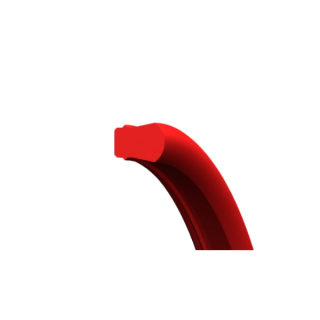
Fan-shaped Seal
Contact UsThe fan-shaped seal has evolved from the traditional O-ring and D-ring. After installation, its structure is more stable.
-
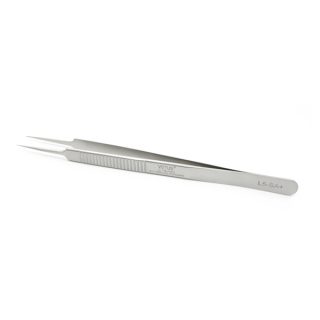
L5-SA+ – High precision tweezers – Anti-Acid/Anti-Mag SS
Contact UsVETUS Standard High Precision Tweezers
-
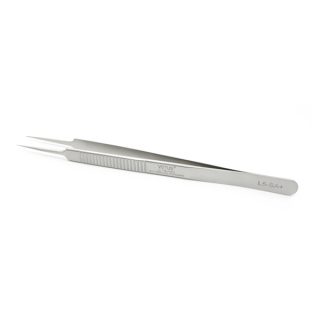
L5-SA+ – High precision tweezers – Anti-Acid/Anti-Mag SS
Contact UsVETUS Standard High Precision Tweezers
-
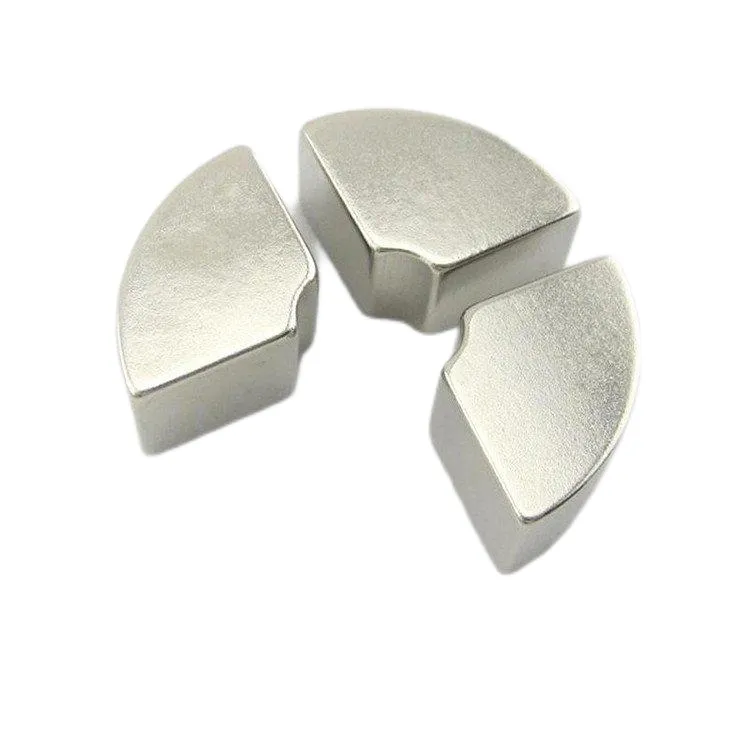
Customized Special Shaped Strong Magnets
Contact Us1.Customized Special Shaped Strong Magnets
2.Size:customized
3.Grade:selectable
4.Cladding:ZN/NI/NICUNI/Black epoxy
Reviews
There are no reviews yet.