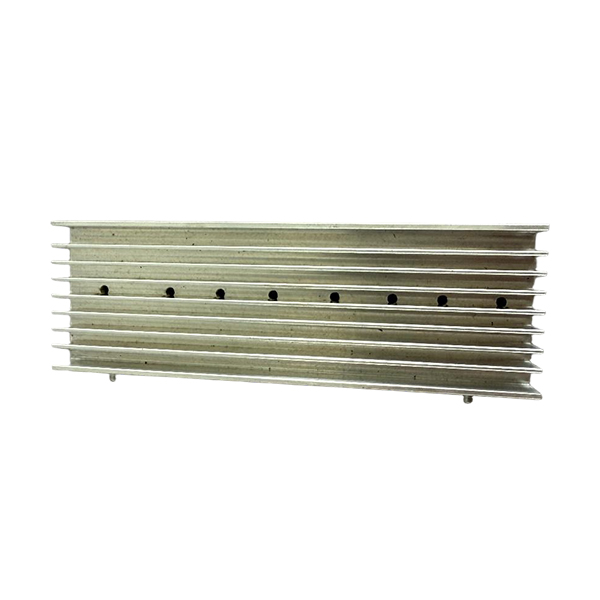
The Ultimate Guide to Liquid Cooling System Heat Exchangers: Custom Thermal Management Products from a China Supplier
As industries move toward higher power density, tighter equipment integration, and more demanding operating environments, thermal management has become a critical engineering challenge.
As industries move toward higher power density, tighter equipment integration, and more demanding operating environments, thermal management has become a critical engineering challenge. Whether in electric vehicles, industrial automation, renewable energy systems, laser equipment, or data centers, maintaining stable operating temperatures directly affects equipment lifespan, energy efficiency, and operational reliability.
This growing demand has accelerated the adoption of the liquid cooling system heat exchanger across multiple industries. Compared with traditional air-cooling systems, liquid cooling solutions provide higher thermal conductivity, better temperature stability, lower noise levels, and more compact system layouts.
For global OEMs and industrial buyers seeking reliable and scalable solutions, partnering with a professional custom heat exchanger China supplier has become an increasingly practical choice. Companies with advanced manufacturing capabilities and strong engineering expertise are now supplying highly customized thermal management systems for global markets.
Among them, Wuxi GreenTech Co., Ltd. has emerged as a specialized manufacturer focused on advanced thermal management technologies and high-efficiency heat exchanger systems.
Why Liquid Cooling Is Replacing Traditional Cooling Methods
Air cooling remains common in low-power applications, but many industries are reaching the limits of what airflow-based cooling can achieve. As system power increases, heat generation rises dramatically, making liquid cooling more effective for several reasons:
-
Higher heat transfer efficiency
-
Better temperature uniformity
-
Reduced equipment footprint
-
Lower operating noise
-
Improved reliability in harsh environments
-
More stable cooling for precision equipment
Industries such as EV battery manufacturing, semiconductor processing, industrial lasers, energy storage, and AI data centers now require precise thermal control that traditional cooling methods often cannot provide.
This is where a properly designed water-cooled heat exchanger for industry becomes essential.
Understanding the Core Role of Heat Exchangers in Liquid Cooling Systems
A heat exchanger is the heart of any liquid cooling system. Its purpose is to transfer heat from one fluid medium to another while maintaining system efficiency and operational safety.
In industrial liquid cooling systems, heat exchangers are commonly used to:
-
Remove excess heat from machinery
-
Stabilize process temperatures
-
Protect electronic components
-
Improve equipment efficiency
-
Reduce thermal stress
-
Extend operational lifespan
Different applications require different exchanger designs depending on pressure, temperature, fluid compatibility, and installation conditions.
Common Types of Industrial Heat Exchangers
Plate Heat Exchangers
Plate heat exchangers use corrugated metal plates to maximize heat transfer surface area. These systems are compact, highly efficient, and widely used in industrial process cooling and HVAC systems.
Advantages include:
-
High thermal efficiency
-
Compact footprint
-
Easy maintenance
-
Flexible modular expansion
Welded Plate Heat Exchangers
For high-pressure or corrosive environments, welded plate designs provide improved durability and leak resistance.
Applications include:
-
Chemical processing
-
Oil and gas systems
-
High-temperature industrial processes
Shell-and-Tube Heat Exchangers
Shell-and-tube designs remain a preferred solution for heavy industrial applications because of their strength and adaptability.
They are commonly found in:
-
Petrochemical facilities
-
Power generation plants
-
Marine systems
-
Industrial manufacturing lines
The Growing Demand for Cold Plate Cooling Technology
Modern electronic systems generate concentrated heat loads that require direct-contact cooling methods. This has increased demand for the cold plate heat exchanger manufacturer sector worldwide.
Cold plates are designed to transfer heat directly from sensitive components into circulating coolant channels. Their compact structure allows highly efficient localized cooling.
Applications include:
-
EV battery packs
-
Power electronics
-
IGBT modules
-
Medical imaging systems
-
Industrial laser equipment
-
Data center servers
Among these applications, the heat exchanger cold plate for lasers has become especially important.
Why Industrial Laser Systems Need Advanced Cold Plate Cooling
Industrial lasers generate significant heat during operation. Without effective thermal management, overheating can lead to:
-
Reduced beam stability
-
Lower cutting precision
-
Component degradation
-
Increased maintenance costs
-
Shortened equipment lifespan
Cold plate heat exchangers help maintain stable temperatures across laser diodes and optical components.
Key performance requirements include:
-
Uniform coolant distribution
-
High thermal conductivity
-
Corrosion resistance
-
Leak-proof channel design
-
Compact installation structure
Manufacturers serving the laser industry must also provide tight machining tolerances and reliable welding quality to ensure long-term operational stability.
Customization Is Becoming the Industry Standard
Standard cooling systems are no longer sufficient for many industrial applications. OEM customers increasingly require fully engineered solutions optimized for their own operating conditions.
This trend has driven demand for custom thermal management products that can integrate seamlessly into existing systems.
Typical customization factors include:
-
Cooling capacity
-
Flow channel design
-
Pressure resistance
-
Material selection
-
Coolant compatibility
-
Mounting structure
-
Space limitations
-
Environmental conditions
For example, EV battery cooling systems require lightweight designs and vibration resistance, while industrial automation systems may prioritize corrosion resistance and continuous operation capability.
Manufacturing Advantages of Chinese Heat Exchanger Suppliers
China has become one of the world's leading manufacturing centers for industrial thermal management systems. Modern suppliers now combine cost-effective production with advanced engineering capabilities and international quality standards.
Working with a professional Chinese supplier can offer:
-
Large-scale production capacity
-
Faster lead times
-
Advanced CNC machining
-
Automated laser welding
-
Flexible OEM/ODM support
-
Integrated supply chains
-
Global logistics support
However, buyers should carefully evaluate supplier capabilities rather than focusing solely on the liquid cooling heat exchanger price China market trend. Long-term reliability, engineering support, and manufacturing consistency are often more important than initial procurement cost.
Wuxi GreenTech’s Approach to Thermal Management Manufacturing
Wuxi GreenTech Co., Ltd. has built its manufacturing system around precision engineering, application-specific customization, and long-term reliability.
Rooted in Wuxi’s established industrial manufacturing ecosystem, the company focuses on the development and production of high-performance heat exchangers and integrated liquid cooling systems for global industrial customers.
Product Coverage
The company’s product portfolio includes:
-
Gasketed plate heat exchangers
-
Welded plate heat exchangers
-
Shell-and-tube heat exchangers
-
Liquid cooling modules
-
Cold plates
-
Industrial cooling assemblies
-
Integrated thermal management systems
These systems are widely used in:
-
Electric vehicles
-
Industrial automation
-
Renewable energy
-
Energy storage systems
-
Data centers
-
Laser processing equipment
-
Petrochemical facilities
Engineering and Manufacturing Capabilities
Modern thermal management products require highly controlled manufacturing processes. GreenTech utilizes:
-
Precision CNC machining
-
Automated laser welding
-
Advanced brazing technology
-
Leak testing systems
-
Pressure testing equipment
-
Thermal performance validation
These manufacturing processes help ensure:
-
Structural consistency
-
Thermal efficiency
-
Leak prevention
-
Long operational lifespan
The company also operates under ISO 9001 quality management standards and follows internationally recognized manufacturing procedures.
Energy Efficiency and Sustainability Trends
Thermal management systems are now closely tied to global energy efficiency and sustainability goals.
Modern industrial customers increasingly prioritize:
-
Reduced energy consumption
-
Low-GWP refrigerant compatibility
-
Lower carbon emissions
-
Improved thermal efficiency
-
Reduced water usage
-
Sustainable manufacturing practices
Advanced heat exchanger design plays a direct role in achieving these goals by improving overall system efficiency.
For example:
-
Higher heat transfer rates reduce energy demand
-
Optimized coolant flow lowers pumping power
-
Compact systems reduce material consumption
-
Efficient cooling improves equipment operational efficiency
GreenTech’s development strategy includes continued investment in environmentally friendly thermal technologies aligned with carbon neutrality initiatives across global industries.
Key Considerations When Choosing a Heat Exchanger Supplier
Selecting the right supplier involves more than comparing specifications. Buyers should evaluate both technical and operational capabilities.
Engineering Support
A capable supplier should understand:
-
Thermal calculations
-
Flow dynamics
-
Pressure requirements
-
Material compatibility
-
Application environments
Early-stage engineering collaboration can significantly improve system performance.
Manufacturing Consistency
Consistent production quality is critical for industrial systems operating under demanding conditions.
Important evaluation factors include:
-
Welding quality
-
Machining precision
-
Pressure testing procedures
-
Quality control systems
-
Traceability documentation
Customization Capability
Many applications require non-standard designs. Suppliers should provide:
-
Rapid prototyping
-
Flexible design support
-
OEM manufacturing
-
Application-specific optimization
Global Delivery and Service
International buyers also need suppliers with:
-
Export experience
-
Technical communication capability
-
Stable lead times
-
Documentation support
-
After-sales service
Future Trends in Liquid Cooling Technology
The thermal management industry is evolving rapidly as emerging technologies increase cooling demands.
Several key trends are shaping the future:
AI Data Centers
AI computing infrastructure generates significantly higher heat densities than traditional servers, increasing demand for liquid cooling systems.
Electric Vehicle Expansion
Battery systems, fast charging infrastructure, and power electronics all require advanced cooling solutions.
Renewable Energy Systems
Energy storage systems and power conversion equipment rely heavily on efficient temperature management.
High-Power Electronics
Industrial automation and semiconductor manufacturing continue pushing cooling requirements higher.
As these industries grow, heat exchanger manufacturers must continue improving:
-
Thermal efficiency
-
Material durability
-
Compact system integration
-
Intelligent monitoring capability
-
Sustainable design practices
Conclusion
Liquid cooling systems have become a foundational technology across modern industrial applications. As equipment power density increases and operational requirements become more demanding, high-efficiency thermal management solutions are no longer optional.
From industrial process control to EV battery cooling and precision laser systems, the performance of the heat exchanger directly affects operational stability, energy efficiency, and equipment lifespan.
For global buyers seeking advanced thermal solutions, experienced manufacturers such as Wuxi GreenTech Co., Ltd. provide a combination of engineering expertise, manufacturing capability, and customization support that aligns with the evolving demands of modern industry.
By focusing on thermal performance, manufacturing quality, and application-specific design, industrial companies can build more reliable and efficient systems prepared for future technological challenges.
Related products
-
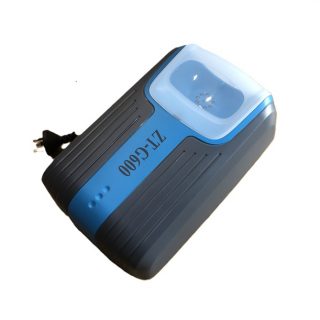
Sectional door Autoamtic Door opener/Smart garage door opener/ garage door motor with CE SASO Approval
Contact UsZT(III) ceiling drive with LED light is a simple and reliable drive type for residential doors.The drive programming is provided with soft start and stop function with a reliable obstacle detection.
-
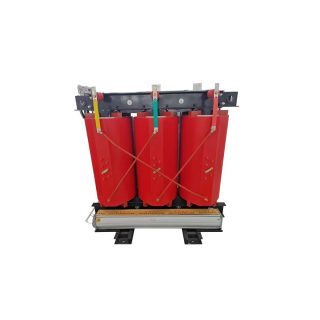
SC(B)12-14-18 epoxy resin cast dry-type transformer
Contact UsThe transformer’s high-voltage input voltage and low-voltage output voltage (35kV/0.4, 20kV/0.4, and 10kV/0.4) are designed to withstand these voltages.
-
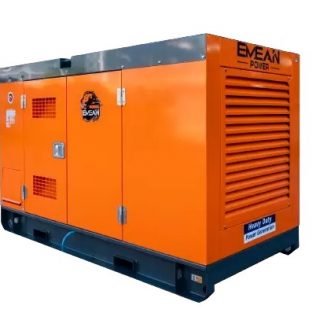
37.5KVA/30KW Diesel Generator With Cummins Engine
Contact Us37.5KVA diesel generator and 30KW diesel generator set, featuring the CUMMINS 4BT3.9-G1 engine, providing stable, fuel-efficient power for a wide range of applications, from industrial to residential.
-
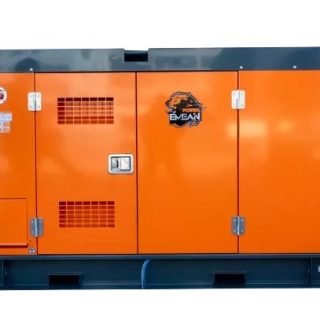
50KVA/40KW Diesel Generator With Cummins Engine
Contact UsEMEAN POWER 50KVA silent diesel generator, 40KW water cooled silent diesel generator, and 60Hz diesel generator set meet your energy needs with precision and reliability.
Reviews
There are no reviews yet.