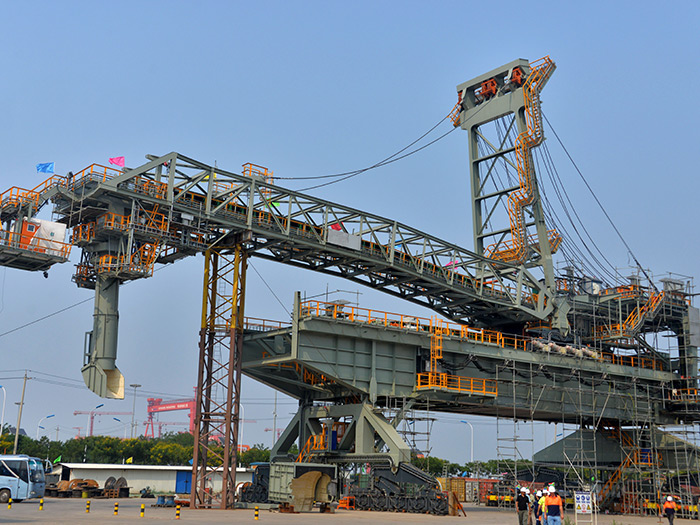
Ship loader
A large bulk handling machine used for loading at bulk terminals generally consists of a boom conveyor, transfer conveyor, telescopic chute, tail car, traveling device, gantry, tower, pitching device, and slewing device. It is a large port bulk loading equipment that plays an important role in major bulk material distribution centers in ports, as well as in industries such as energy, power, and metallurgy.
A ship loader is a large-scale bulk material handling machine designed for loading bulk cargo efficiently from port terminals into ship holds. As an important piece of equipment at modern bulk terminals, it is widely used in major bulk material distribution centers and industries such as energy, power, and metallurgy.
By combining a conveying system, traveling mechanism, slewing system, pitching device, and telescopic loading chute, the ship loader provides an integrated solution for the continuous and efficient loading of bulk materials.
Efficient Bulk Material Loading
The primary function of a ship loader is to transfer bulk materials rapidly and continuously from the terminal conveying system into a ship's cargo hold.
Compared with conventional loading methods, a dedicated ship loader provides a more organized material transfer process and helps improve overall loading efficiency. The boom conveyor and transfer conveyor work together to transport bulk materials toward the loading point, while the telescopic chute helps guide the material into the ship hold.
This makes the equipment suitable for large-scale bulk material terminals where stable and efficient loading performance is essential.
Automated Operation and Control
Modern ship loaders can be equipped with an advanced automated control system to simplify equipment operation and improve working efficiency.
Through automated control, key operating functions can be coordinated more efficiently, reducing the need for continuous manual intervention. Automated operation can also help reduce labor requirements and support more consistent loading procedures.
For large bulk terminals with demanding loading schedules, automation provides an important foundation for improving operational efficiency and equipment management.
Environmentally Friendly Dust Suppression
Bulk material loading can generate dust, particularly when dry materials are transferred at high speed. To address this challenge, the ship loader can be equipped with dust suppression devices designed to reduce dust dispersion during loading.
The telescopic chute helps guide bulk materials into the ship hold, while dust-control equipment helps minimize airborne dust around the loading area.
This environmentally conscious design supports cleaner terminal operations and helps meet applicable environmental requirements.
Main Components of a Ship Loader
A complete ship loader generally consists of several coordinated mechanical and structural systems, including:
-
Boom Conveyor – Transports bulk materials toward the ship-loading point.
-
Transfer Conveyor – Transfers material between conveying sections.
-
Telescopic Chute – Guides bulk material into the ship hold and supports controlled discharge.
-
Tail Car – Provides an important connection within the material conveying system.
-
Traveling Device – Allows the ship loader to move along its operating track or designated area.
-
Gantry – Supports the main structure and traveling mechanism.
-
Tower – Provides structural support for the upper loading system.
-
Pitching Device – Enables adjustment of the boom position according to loading requirements.
-
Slewing Device – Allows the loading boom to rotate and adjust its working position.
These components work together to provide flexible and efficient bulk material loading operations.
Designed for Major Bulk Terminals
Ship loaders play an important role in large-scale bulk material distribution centers. Their ability to continuously transfer materials into ship holds makes them suitable for terminals handling significant volumes of bulk cargo.
Typical application industries include:
Port Bulk Terminals
Ship loaders are widely used at bulk terminals for transferring materials from storage and conveying systems into vessels. Their continuous loading capability helps support efficient port logistics.
Energy Industry
Bulk material handling equipment can be integrated into material loading systems used in energy-related facilities where large quantities of bulk materials need to be transported and loaded.
Power Industry
Power facilities handling bulk materials can use ship-loading systems as part of their terminal material transportation and distribution operations.
Metallurgy
The equipment can also be used in metallurgical material handling systems where efficient transfer and loading of bulk materials are required.
Key Product Advantages
High-Efficiency Loading Capacity
The ship loader enables rapid and continuous loading of bulk materials into ship holds, helping improve terminal loading efficiency.
Automated Operation
An advanced control system can support automated or unmanned operation, reducing manual intervention and labor requirements.
Flexible Loading Position
The integrated pitching and slewing mechanisms allow the loading boom to adjust its position according to operational requirements.
Controlled Material Discharge
The telescopic chute provides a controlled route for bulk material discharge into the ship hold.
Dust Suppression
Integrated dust suppression equipment helps reduce dust pollution during bulk material loading and supports environmentally responsible terminal operations.
Integrated Heavy-Duty Structure
The combination of conveyors, gantry, tower, traveling equipment, and loading mechanisms creates a complete solution for large-scale bulk material handling.
Supporting Modern Port Logistics
As bulk cargo transportation continues to require greater efficiency and more controlled handling processes, ship loaders provide an important connection between terminal conveying systems and marine transportation.
A well-designed ship loader integrates material conveying, boom movement, loading control, automation, and dust suppression into one coordinated system. This allows bulk terminals to handle loading operations more efficiently while reducing unnecessary manual intervention.
For ports and industrial facilities handling large volumes of bulk materials, ship loaders provide a practical solution for improving loading productivity and supporting more efficient terminal operations.
Conclusion
The ship loader is an essential piece of equipment for modern bulk material terminals and large-scale material distribution facilities. With its high-efficiency loading capacity, automated operating capabilities, flexible boom positioning, and dust suppression design, it can support efficient and environmentally responsible bulk cargo loading.
By integrating the boom conveyor, transfer conveyor, telescopic chute, traveling device, gantry, tower, pitching device, and slewing device, the ship loader provides a complete system for transferring bulk materials from terminal facilities into ship holds.
It is a reliable choice for bulk handling operations across ports, energy, power, metallurgy, and other industries where efficient and continuous material loading is required.
Related products
-
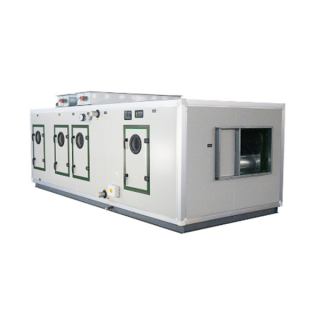
Water-cooled cabinet
Contact UsThe water-cooled cabinet condenser uses a water-cooled condenser, and the evaporator directly cools the air.
-
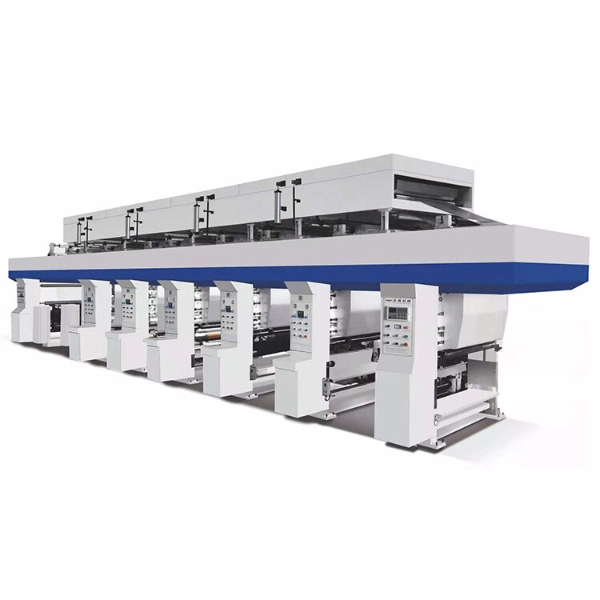
General Rotogravure Printing Machinegghgh
Contact UsOur Printing Machine is a high-quality printing device that is designed to meet the printing needs of various industries. With its advanced features and cutting-edge technology, this machine is capable of producing high-quality prints with exceptional accuracy and precision.Our Printing Machine is a high-quality printing device that is designed to meet the
-
OPTIMIZING CROSS CUT SAW MAXCUT F18S+SENSIT 005
Contact UsHigh speed optimization Timber cutting optimizing Cross-cut saw and precision cutting
Automation production line. -
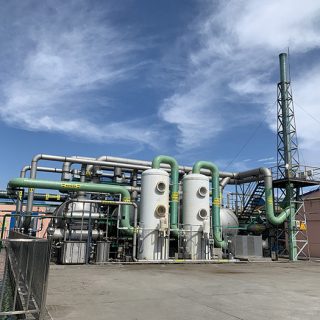
High-efficiency activated carbon attachment device
Contact UsHigh-efficiency activated carbon attachment device can quickly absorb pollutants in exhaust gas. The exhaust gas containing pollutants is powered by a fan and enters the activated carbon adsorber under negative pressure.
Reviews
There are no reviews yet.