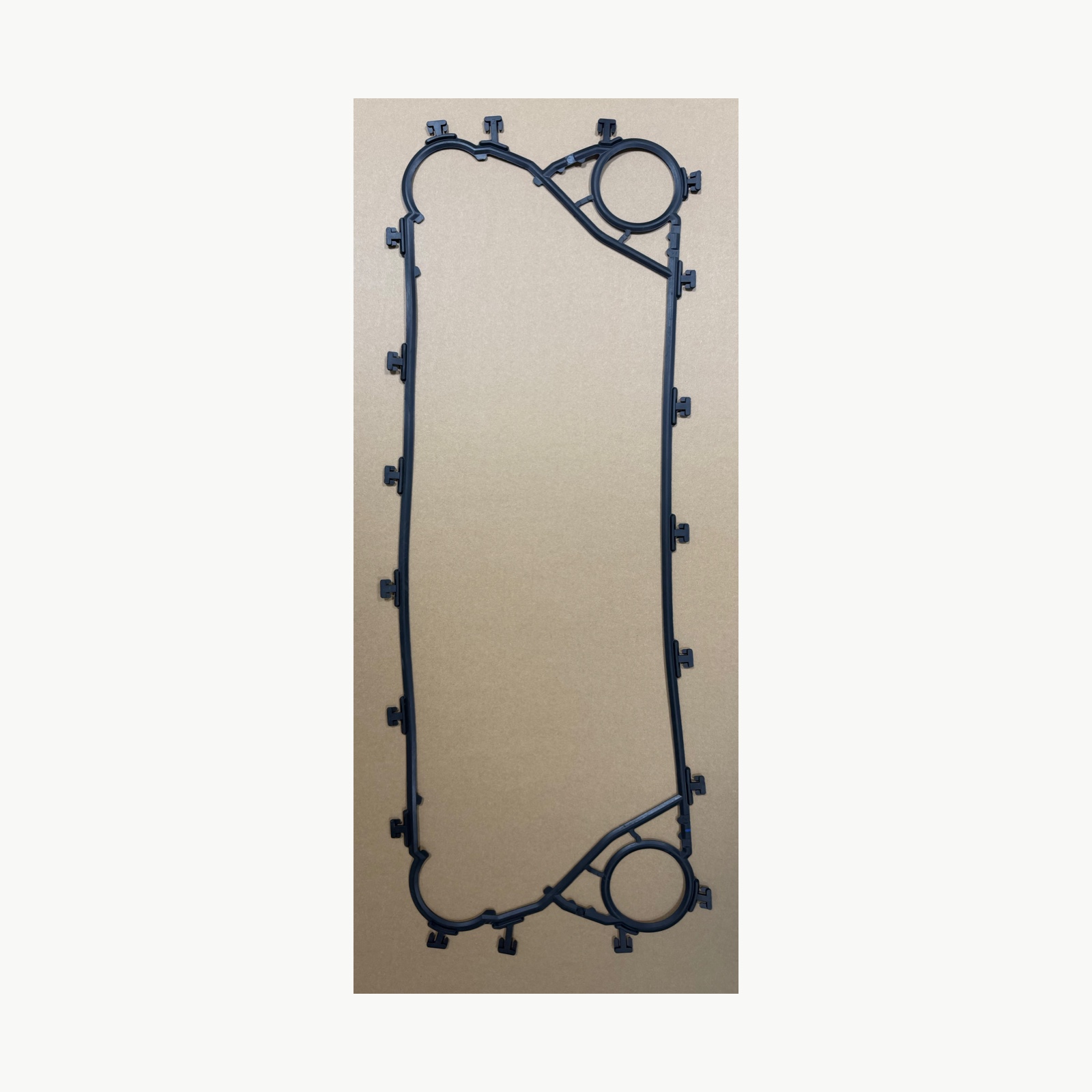
S19A Plate Heat Exchanger Gasket
S19A plate heat exchanger gasket is designed for reliable sealing performance in refrigeration, HVAC, marine, chemical processing, and data center cooling applications.
Plate heat exchangers are widely used in refrigeration, HVAC, marine equipment, chemical processing, data center cooling, and industrial heat transfer systems. While plates determine the main heat transfer performance, the gasket is equally important for maintaining a reliable sealed flow path. A properly selected plate heat exchanger gasket helps prevent leakage between plates, keeps different media separated, and supports stable system operation.
For maintenance and replacement applications, gasket selection should not be based only on size or model. The gasket material also needs to match the fluid, temperature, operating environment, and service requirements. S19A and M6M plate heat exchanger gaskets are designed for these replacement and maintenance needs, with several rubber material options available.
What Does a Plate Heat Exchanger Gasket Do?
A plate heat exchanger gasket is installed between individual heat transfer plates to create a controlled sealing surface. During operation, different fluids flow through separate channels formed by the plates and gaskets. The gasket helps prevent these fluids from leaking into the surrounding environment or mixing with each other.
As the heat exchanger operates under pressure and temperature changes, the gasket must maintain sufficient sealing performance over extended periods. A gasket with a reliable fit and suitable material can help reduce leakage risks while supporting the intended heat transfer process.
For this reason, the gasket should be treated as an important maintenance component rather than a simple rubber accessory. When a plate heat exchanger is opened for inspection or servicing, checking the condition of the existing gasket is an essential part of the maintenance process.
Why Is Gasket Material Important?
Different heat exchanger systems operate with different fluids, temperatures, and environmental conditions. A gasket material that works well in one application may not be the right choice for another.
S19A and M6M plate heat exchanger gaskets are available in NBR, EPDM, Viton, and HNBR, giving users more flexibility when selecting a sealing solution.
NBR is commonly used for applications where good sealing performance and resistance to many oil-based environments are required. It can be considered for suitable refrigeration and industrial applications depending on the actual operating conditions.
EPDM is widely used in applications where resistance to water-based media, hot water, and certain environmental conditions is important. It can be suitable for HVAC and other water-related heat transfer systems when the operating conditions match the material's capabilities.
Viton is selected for applications requiring a higher level of resistance to demanding chemical and temperature conditions. It can be considered for certain chemical processing and industrial environments where standard rubber materials may not provide the required performance.
HNBR offers a combination of sealing reliability and improved resistance for demanding working environments. It can be used where the application requires more specialized rubber performance.
The correct material should always be selected according to the actual medium, temperature, pressure, and operating conditions of the heat exchanger.
When Should a Plate Heat Exchanger Gasket Be Replaced?
Gaskets are consumable components and may eventually require replacement because of aging, compression, operating conditions, or repeated maintenance.
One of the most obvious signs is leakage around the plate heat exchanger. However, gasket replacement does not always need to wait until visible leakage occurs. During scheduled maintenance, the gasket should be inspected for signs of deterioration, loss of elasticity, deformation, or damage.
For systems operating continuously, timely gasket replacement can also help reduce the risk of unexpected shutdowns. This is particularly important for refrigeration systems, HVAC installations, data center cooling equipment, and industrial processes where stable heat transfer is part of continuous operation.
Using a reliable replacement gasket during planned maintenance can provide a practical way to restore sealing performance without replacing the complete heat exchanger.
What Makes S19A and M6M Gaskets Suitable for Replacement?
The S19A plate heat exchanger gasket is designed for reliable sealing performance in applications including refrigeration, HVAC, marine, chemical processing, and data center cooling. Its availability in NBR, EPDM, Viton, and HNBR allows users to select a material according to the requirements of different working environments.
The M6M plate heat exchanger gasket is designed as a sealing component for plate heat exchanger maintenance, replacement, and spare parts supply. It helps prevent leakage between plates and supports stable heat transfer performance during operation.
Both gasket solutions focus on several practical requirements:
-
Reliable sealing between heat exchanger plates
-
Long service life
-
Good fit with the corresponding plate configuration
-
Multiple rubber material options
-
Suitability for different working conditions
-
Use in maintenance and replacement projects
For maintenance teams and equipment suppliers, these features make replacement gaskets useful for extending the service life of existing plate heat exchanger systems.
Where Are These Plate Heat Exchanger Gaskets Used?
Plate heat exchanger gaskets are required across a wide range of thermal management systems.
In refrigeration systems, gaskets help maintain separation between refrigerant-related circuits and cooling media where applicable to the heat exchanger configuration.
In HVAC systems, gasketed plate heat exchangers are commonly used for heating, cooling, and water circulation applications. Reliable sealing helps maintain stable system operation.
For marine equipment, heat exchangers may be exposed to demanding operating environments and continuous operation. Selecting a suitable gasket material is therefore an important part of maintenance planning.
In the chemical industry, fluid compatibility becomes particularly important because different process media can have different effects on rubber materials. The gasket should be selected according to the actual chemical and temperature conditions.
Data center cooling systems also require reliable heat transfer equipment because cooling interruptions can affect critical infrastructure. Proper gasket maintenance helps support the reliable operation of the heat exchanger.
In addition, these gaskets can be used in industrial heat transfer systems where plate heat exchangers are used for process cooling, heating, or fluid temperature control.
What Should You Check Before Ordering a Replacement Gasket?
Before purchasing a replacement gasket, users should confirm the heat exchanger model and gasket configuration rather than relying only on the general appearance of the old gasket.
Important information may include the heat exchanger model, plate configuration, gasket type, sealing arrangement, operating medium, temperature range, and existing gasket material. These details help ensure that the replacement gasket is appropriate for the equipment.
Material selection is especially important. NBR, EPDM, Viton, and HNBR have different characteristics, so the material should be matched with the actual fluid and operating environment.
For maintenance suppliers, keeping different gasket materials available can also make spare parts management more flexible, particularly when servicing heat exchangers used across multiple industries.
How Can the Right Gasket Support Long-Term Heat Exchanger Operation?
A plate heat exchanger can only operate effectively when its plates, gaskets, and other components work together as intended. A gasket with reliable sealing performance helps maintain the separation of fluid channels and reduces the risk of leakage during operation.
For this reason, gasket selection should be considered part of the overall heat exchanger maintenance strategy. Choosing the correct model and rubber material, installing it properly, and replacing aged or damaged gaskets at the appropriate time can help maintain equipment reliability.
S19A and M6M plate heat exchanger gaskets provide practical replacement options for refrigeration, HVAC, marine, chemical, data center, and industrial heat transfer applications. With NBR, EPDM, Viton, and HNBR materials available, users can select a sealing solution based on their specific working conditions and maintenance requirements.
For heat exchanger maintenance companies, equipment operators, and spare parts suppliers, having the correct gasket model and material available can simplify replacement work and help keep existing plate heat exchanger systems operating reliably.
Related products
-

CD150 Portable Coaxial Dual-Rotor UAV/Drone
Contact UsThe CD150, featuring a coaxial rotor configuration and variable pitch control, is designed for agile maneuvering and hovering in confined spaces.
-
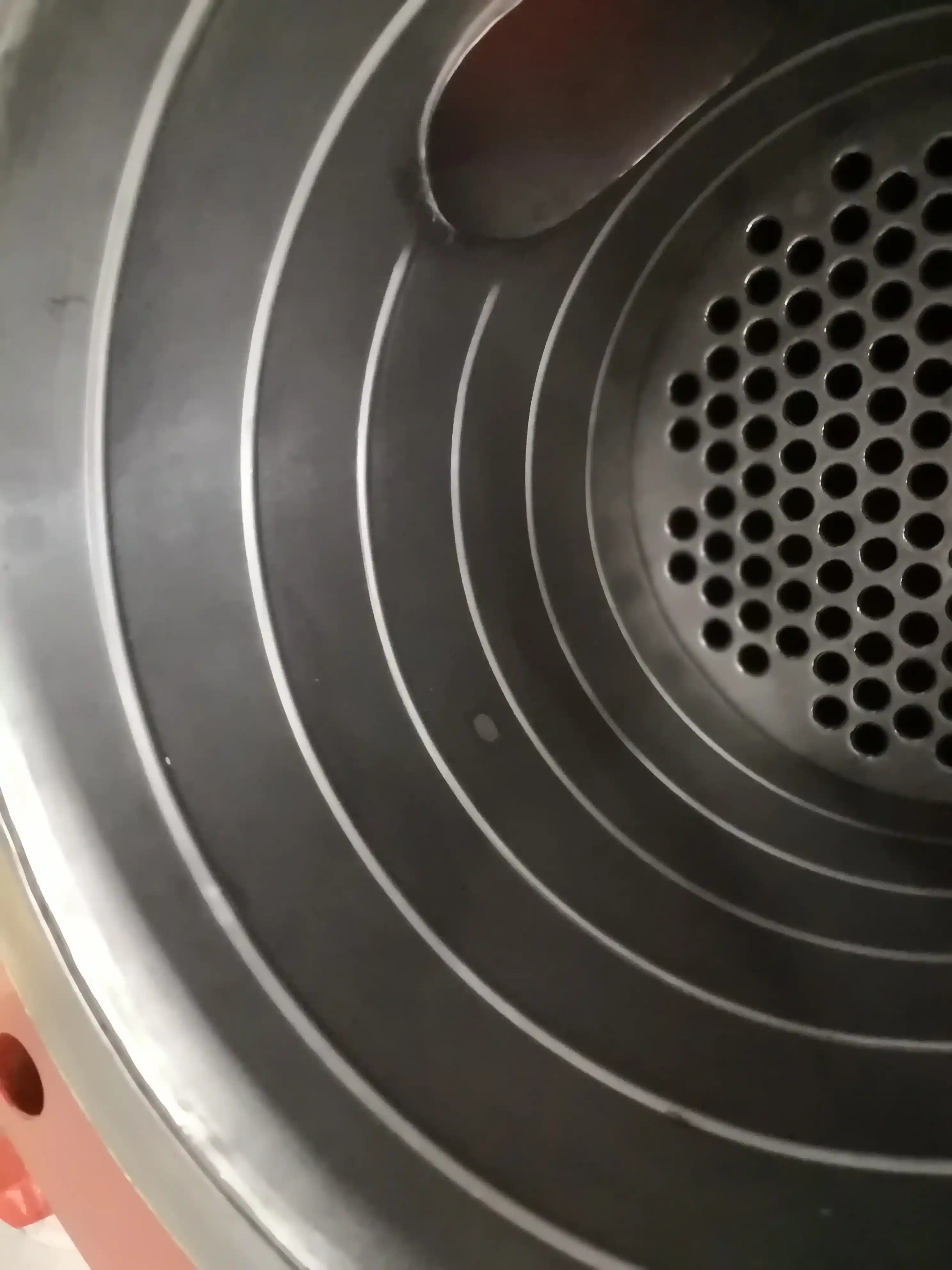
Tantalum Lined Channel
Contact UsEngineered for extreme corrosion resistance, our tantalum-lined channels combine loose-lined or explosion-bonded tantalum with robust steel shells.
-
Five speed sigle channel
Contact UsSichuan ISAAC International Trading Co., Ltd. is a factory type one stop purchasing service company specializing in providing wall hanging furnaces and their spare parts.
-
Tantalum Bayonet Heater F=3.5㎡
Contact UsIt’s a special type of heat exchanger. There’s a stringer tube inside each tantalum tube. it’s a type of tank immersion heater ideal for heating entire tanks of Fluids.
Reviews
There are no reviews yet.