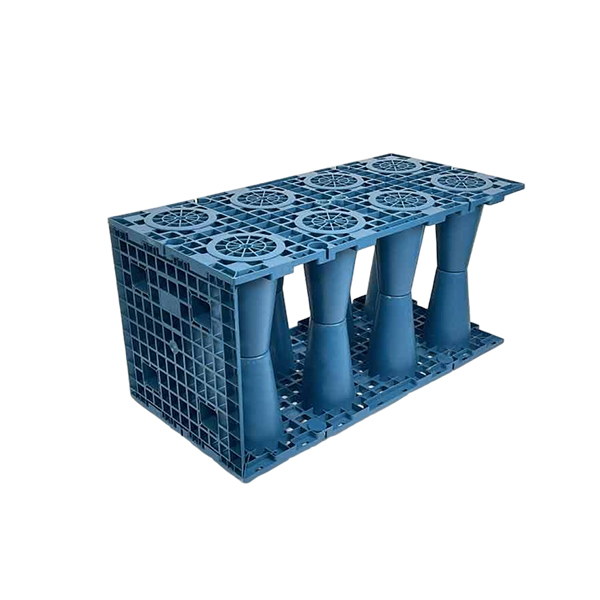
PP Rainwater Module 45T(Blue)
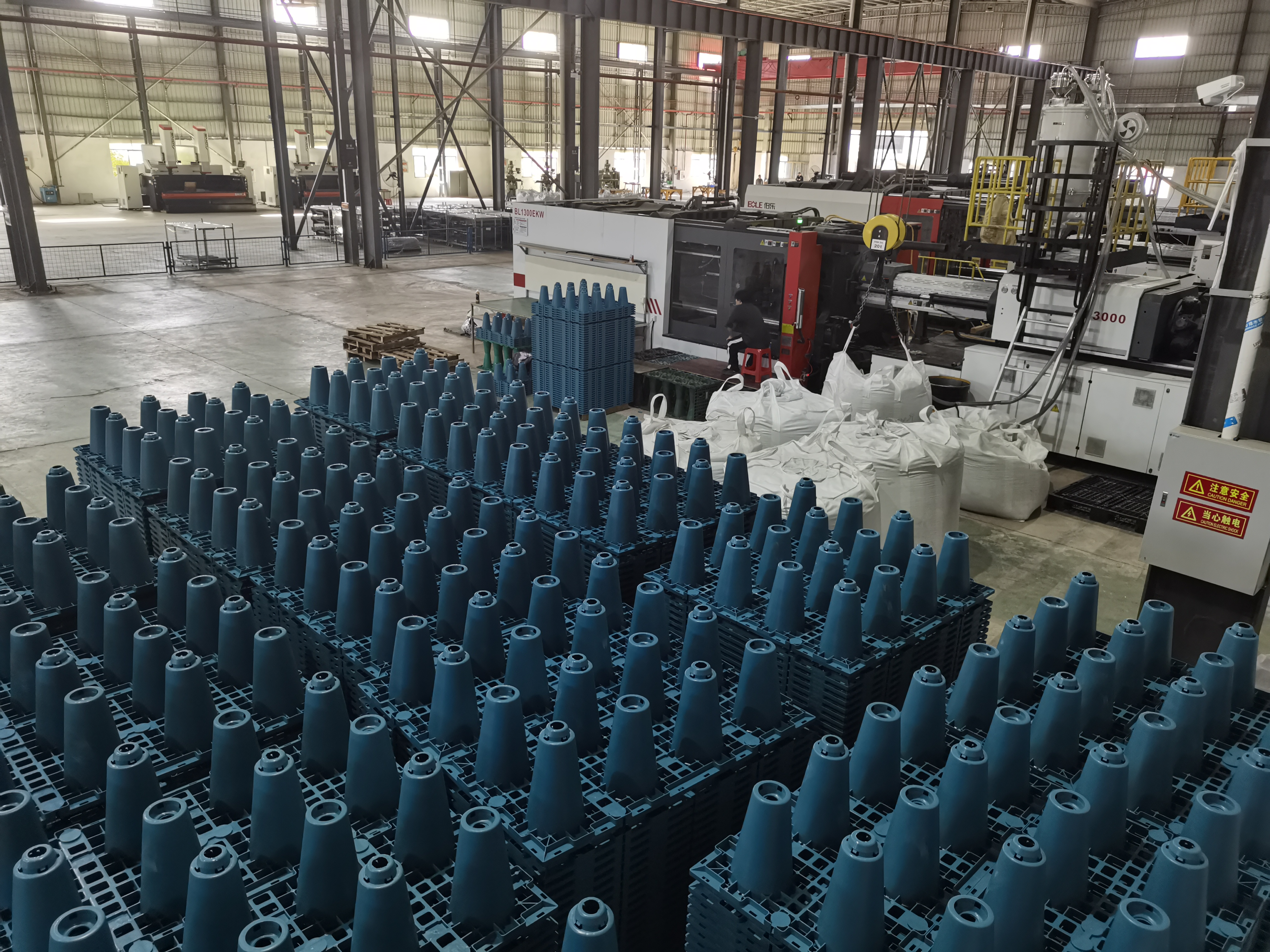
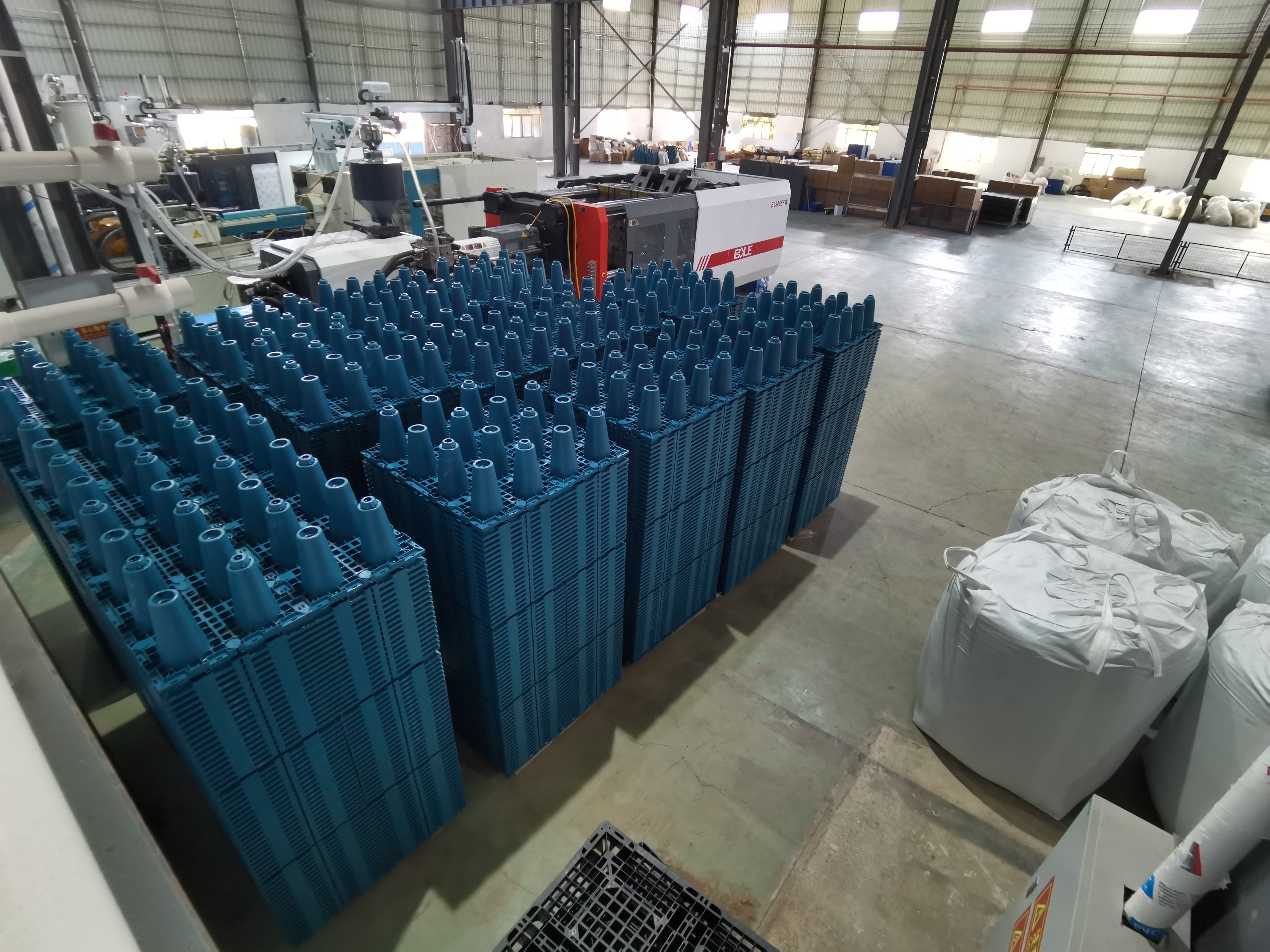
PP plastic modules are injection-molded from polypropylene. They can be interconnected to form an underground water storage tank. By enveloping the structure with a composite geotechnical membrane, the system can function as either a storage reservoir or an infiltration basin. These modules are easy to install, offer high load-bearing capacity, and prevent the breeding of mosquitoes, flies, and algae. They are ideally suited for rainwater detention and harvesting in large residential complexes, industrial parks, public squares, and agricultural facilities.
Modern stormwater management requires more than simply collecting rainwater. In urban areas, effective systems need to temporarily store runoff, manage peak flows, and make efficient use of limited underground space. Modular rainwater storage systems provide a practical approach by creating interconnected underground storage structures while maintaining sufficient structural strength.
PP rainwater modules are designed for this type of application. By using a high-porosity modular structure and strategically designed support columns, the modules can provide substantial underground void space while transferring vertical and lateral loads through the internal structural framework.
The XH-MK1000 PP Rainwater Module 45T is one example of a modular solution designed for underground rainwater storage and drainage applications.
What Is a PP Rainwater Module?
A PP rainwater module is a modular underground structure used to create a storage or infiltration volume beneath roads, landscapes, commercial developments, and other sites.
Unlike a conventional solid tank, the module contains a large amount of open internal space. When multiple modules are assembled together, they form a larger underground reservoir while requiring relatively little structural material compared with a completely solid structure.
The high-porosity design is particularly important because it allows rainwater to occupy a large proportion of the available underground volume.
For the XH-MK1000 model, the stated porosity reaches 95%, providing a high internal void ratio for underground water storage applications.
Structural Design for Underground Loads
One of the most important considerations when selecting a rainwater storage module is its ability to withstand loads after installation.
Underground modules may experience pressure from soil backfill, vehicles, pavement, landscaping, and other surface loads. The structural design therefore needs to distribute these forces through the module framework rather than relying on a single component.
The XH-MK1000 has a stated vertical compressive strength of 450 kN/m² and a lateral compressive strength of 150 kN/m².
These values provide a reference for engineering evaluation, but actual load-bearing performance depends on factors such as burial depth, soil conditions, backfill quality, installation configuration, surface loading, and project design.
For this reason, engineers should evaluate the complete underground system rather than considering the compression rating of an individual module in isolation.
Support Columns Provide Internal Load Transfer
The support-column structure is a critical part of the module's mechanical design.
When external loads are applied to the top of an underground storage structure, forces need to be transferred through the internal framework toward the foundation. The geometry and wall thickness of the support columns therefore have a direct relationship with structural stability.
For the XH-MK1000, the support column wall thickness is specified as:
-
Small end: 4.5 mm
-
Large end: 3.0 mm
-
Average wall thickness: approximately 3.75 mm
The variation in wall thickness reflects the designed geometry of the support structure.
During engineering evaluation, buyers should consider not only the nominal wall thickness but also column geometry, material characteristics, connection structure, and the way individual modules interact after assembly.
High Porosity Maximizes Available Storage Space
Storage efficiency is another major factor in underground rainwater management.
A module with a high void ratio can create substantial water storage capacity within a relatively compact underground footprint. The XH-MK1000 provides a stated 95% porosity, meaning that most of the module's internal volume is available as void space.
This characteristic can be useful when underground space is limited and the project requires a large effective storage volume.
Depending on the overall system design, stored rainwater can be managed through controlled discharge, infiltration, reuse, or other stormwater management strategies.
The appropriate approach depends on local regulations, soil permeability, groundwater conditions, and project requirements.
Modular Dimensions Simplify System Planning
The standard XH-MK1000 module measures:
1000 × 500 × 500 mm
This modular format allows individual units to be arranged into larger underground storage structures according to the required footprint and storage capacity.
Modular construction can provide greater flexibility than a single large prefabricated tank because the storage system can be configured according to the available installation area.
The product information also specifies a 1000 × 500 × 250 mm configuration with an individual piece weight of approximately 4.6–5.0 kg, providing an additional dimensional option for specific installation requirements.
When planning a project, engineers should determine the required module configuration based on storage volume, site dimensions, installation depth, access conditions, and structural loading.
Weight and Handling Considerations
The standard XH-MK1000 module weighs approximately 9.2–10 kg.
The stated weight excludes the side panels, which add approximately 1.0 kg.
Compared with many conventional underground structural systems, modular PP components can be relatively manageable during transportation and installation. Individual modules can be moved and positioned before the complete underground structure is assembled.
This can be particularly useful at sites where access for large lifting equipment is restricted.
However, the actual installation method should be selected according to the module quantity, site conditions, excavation dimensions, project schedule, and applicable construction requirements.
Why Polypropylene Is Suitable for Modular Applications
Polypropylene is widely used in various engineered plastic products because it can be processed into complex structural geometries while maintaining a relatively low component weight.
For rainwater modules, material selection needs to support the balance between structural performance, manufacturability, weight, and long-term underground use.
The PP structure can be formed into repeated support-column and grid configurations, allowing manufacturers to optimize the distribution of material throughout the module.
For underground applications, the material should be evaluated together with the complete product design, including resistance to environmental conditions, installation loads, joints, covers, and long-term system requirements.
Applications of PP Rainwater Modules
PP rainwater modules can be considered for a variety of stormwater management projects.
Urban Stormwater Storage
Urban development often increases impermeable surfaces such as roads, parking areas, sidewalks, and building roofs. Underground modular storage can provide temporary storage capacity for collected runoff.
Commercial and Industrial Developments
Shopping centers, industrial facilities, office developments, and other large properties may require dedicated stormwater management infrastructure. Modular systems can be configured according to available underground space.
Landscape and Green Infrastructure
Rainwater storage structures can be incorporated beneath landscaped areas and other open spaces where above-ground tanks would occupy valuable surface space.
Road and Parking Areas
Where engineering conditions permit, underground modules can be installed beneath selected paved areas to provide additional stormwater storage capacity.
Rainwater Reuse Systems
Collected rainwater can potentially be stored for subsequent non-potable applications when the complete system is designed and approved for water reuse.
Key Specifications at a Glance
| Parameter | XH-MK1000 Specification |
|---|---|
| Product | PP Rainwater Module 45T |
| Model | XH-MK1000 |
| Standard Dimensions | 1000 × 500 × 500 mm |
| Standard Weight | Approximately 9.2–10 kg |
| Alternative Height | 250 mm |
| Alternative Piece Weight | Approximately 4.6–5.0 kg |
| Side Panel Weight | Approximately 1.0 kg |
| Porosity | 95% |
| Vertical Compressive Strength | 450 kN/m² |
| Lateral Compressive Strength | 150 kN/m² |
| Small-End Column Wall Thickness | 4.5 mm |
| Large-End Column Wall Thickness | 3.0 mm |
| Average Column Wall Thickness | Approximately 3.75 mm |
These specifications should be treated as product reference data. The final system design should be verified according to the project's structural, hydraulic, geotechnical, and regulatory requirements.
What Should Buyers Consider Before Selecting a Rainwater Module?
Choosing a rainwater module should start with the project rather than the product alone.
First, calculate the required effective storage volume based on the expected rainfall, catchment area, runoff characteristics, discharge requirements, and local stormwater regulations.
Next, evaluate the underground loading conditions. Traffic areas, parking lots, landscaped zones, and pedestrian areas can create significantly different surface loads.
Installation depth and soil conditions should also be considered. Backfill materials, compaction, groundwater conditions, and foundation preparation can influence the performance of the complete underground system.
Finally, evaluate the module dimensions, side panels, connection configuration, inspection access, drainage arrangement, and installation method to ensure that the individual components can work together as a complete rainwater management system.
Conclusion
PP rainwater modules provide a modular approach to underground stormwater storage by combining high internal porosity with a structured load-bearing framework.
The XH-MK1000 PP Rainwater Module 45T features a 95% porosity, 450 kN/m² vertical compressive strength, 150 kN/m² lateral compressive strength, and a modular 1000 × 500 × 500 mm format. Its internal support-column structure is designed to distribute loads while maintaining a large available storage volume.
For urban developments, commercial projects, landscaping, road infrastructure, and rainwater reuse systems, modular PP structures can provide a flexible way to utilize underground space.
As with any underground drainage or storage system, successful performance depends on proper engineering design, site preparation, installation, and compliance with applicable project requirements. Evaluating these factors together helps ensure that the selected rainwater module is suitable for its intended application.
Related products
-
Oil Injector for Drying Room Chain
Contact UsThe oil injection system adopts PLC automatic control.
-
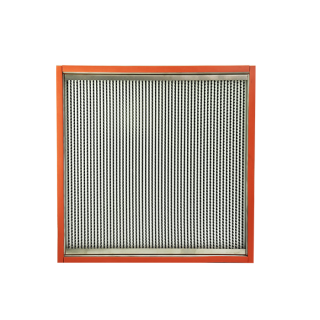
NGB High Temperature-resistant 350℃ Separator HEPA Filter
Contact UsThe filter material is high temperature resistant ultra-fine glass fiber filter paper, and the separator is aluminum foil corrugated sheet.
-
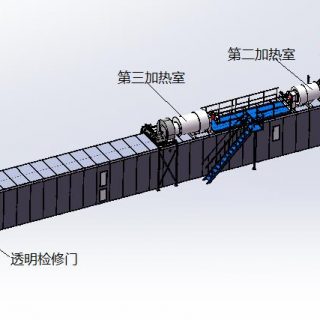
Metal sheet drying oven for can making
Contact UsThe oven is mainly used to dry the coating on the tin (or aluminum) sheet in the can making process. The entire line mainly consists of conveying, feeding devices, drying, cooling, and material collection and stacking.
-
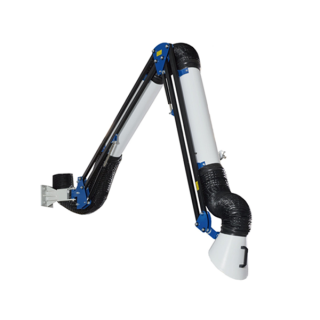
External Suction Arm
Contact UsFeatures:
● Persistent tightness
● Arm keeps position due to self-supporting design
● Fast operation due to particularly flexible adjustment
● User-friendly due to particularly smooth movement of the hood with one hand
● Various options to connect the exhaust arms to fans, stationary devices or via duct work to central extraction and filtration systems
Reviews
There are no reviews yet.