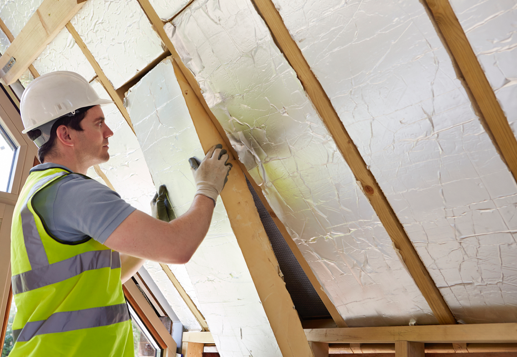

Polyurethane Insulation Solutions: Improving Energy Efficiency Across Modern Industries
As industries continue to prioritize energy efficiency and sustainability, selecting the right insulation material has become increasingly important.
As industries continue to prioritize energy efficiency and sustainability, selecting the right insulation material has become increasingly important. From building construction and district heating pipelines to refrigeration equipment and industrial manufacturing, high-performance insulation plays a critical role in reducing energy consumption, improving operational efficiency, and extending product lifespan.
Among the available insulation materials, polyurethane (PU) insulation has earned widespread recognition for its excellent thermal performance, lightweight structure, and versatile processing capabilities. Today, polyurethane insulation systems are used in a broad range of applications where reliable thermal management and long-term durability are essential.
What Is Polyurethane Insulation?
Polyurethane insulation is a high-performance thermal insulation material produced through the reaction of polyols and isocyanates to form rigid polyurethane foam. Its closed-cell structure provides excellent thermal resistance while maintaining low weight and high mechanical strength.
Compared with many conventional insulation materials, polyurethane insulation offers several key advantages:
-
Low thermal conductivity
-
High insulation efficiency
-
Excellent dimensional stability
-
Strong adhesion to multiple substrates
-
Moisture and corrosion resistance
-
Long service life
These characteristics make polyurethane insulation suitable for both industrial and commercial applications requiring reliable temperature control.
Key Benefits of Polyurethane Insulation Systems
Outstanding Thermal Performance
One of polyurethane's greatest strengths is its exceptionally low thermal conductivity, allowing thinner insulation layers to achieve excellent energy-saving performance. This helps reduce heating and cooling losses while improving overall system efficiency.
Lightweight Yet Durable
Rigid polyurethane foam combines low density with high compressive strength, making it easy to transport, install, and integrate into various manufacturing processes without sacrificing durability.
Excellent Processing Flexibility
Polyurethane systems can be formulated for different manufacturing methods, including:
-
Spray foam insulation
-
Rigid insulation panels
-
Pre-insulated pipelines
-
Appliance insulation
-
Structural foam components
Customized formulations allow manufacturers to optimize density, reaction time, flame retardancy, and mechanical performance for specific applications.
Applications in Thermal Insulation Pipelines
District heating networks, oil and gas transportation, and industrial piping systems require efficient insulation to minimize heat loss over long distances.
Polyurethane insulation provides several advantages for pipeline manufacturers:
-
High thermal insulation efficiency
-
Customizable foam density
-
Excellent mechanical strength
-
Reliable long-term performance
-
Resistance to moisture and corrosion
These properties help reduce energy loss while extending pipeline service life and lowering maintenance costs.
Building and Construction Insulation
The construction industry increasingly relies on polyurethane insulation to improve building energy performance and comply with stricter energy-efficiency standards.
Typical applications include:
-
Exterior wall insulation
-
Roof insulation
-
Cold storage buildings
-
Sandwich panels
-
Industrial facilities
Its low thermal conductivity and stable dimensional performance contribute to improved indoor comfort while reducing heating and cooling energy consumption.
Cold Chain and Refrigeration Equipment
Maintaining stable temperatures is essential for refrigeration equipment and cold-chain logistics.
Polyurethane insulation is widely used in:
-
Refrigerators
-
Freezers
-
Cold storage rooms
-
Refrigerated transportation
-
Commercial refrigeration equipment
Its fine and uniform cell structure provides consistent insulation performance while supporting energy-efficient operation throughout the product's lifecycle.
Insulation Panels for Industrial Applications
Rigid polyurethane insulation panels are commonly used in commercial and industrial construction due to their combination of strength and thermal efficiency.
Well-designed polyurethane panel systems can provide:
-
Uniform foam density
-
Good dimensional stability
-
Low water absorption
-
Excellent insulation performance
-
Flame-retardant formulations for different application requirements
These characteristics make polyurethane panels suitable for warehouses, cleanrooms, cold storage facilities, and industrial buildings.
Polyurethane Solutions for Home Appliances
Household appliances require reliable thermal insulation to reduce energy consumption while maintaining compact product designs.
Polyurethane insulation systems are widely applied in:
-
Refrigerators
-
Water heaters
-
Freezers
-
Refrigerated display cabinets
Manufacturers benefit from formulations offering good flowability, consistent foam density, rapid processing, and stable long-term insulation performance.
Decorative and Structural Applications
Beyond thermal insulation, polyurethane systems are also used in decorative and structural products such as imitation wood components.
These materials offer advantages including:
-
Lightweight construction
-
High mechanical strength
-
Attractive surface finish
-
Corrosion resistance
-
Efficient molding processes
Such solutions provide manufacturers with cost-effective alternatives to natural wood while maintaining excellent appearance and durability.
Choosing the Right Polyurethane Insulation Solution
Selecting the appropriate polyurethane insulation system depends on several important factors, including:
-
Required thermal conductivity
-
Density requirements
-
Flame-retardant performance
-
Processing method
-
Mechanical strength
-
Environmental operating conditions
Many manufacturers also seek suppliers capable of providing customized polyether polyols, blended polyols, silicone surfactants, and supporting additives to optimize production efficiency and product performance.
Conclusion
Polyurethane insulation has become one of the most effective thermal insulation solutions available for modern industrial and commercial applications. Its combination of low thermal conductivity, lightweight structure, excellent mechanical properties, and versatile processing options makes it suitable for pipelines, insulation panels, refrigeration equipment, construction, and home appliances.
For manufacturers seeking to improve product performance and energy efficiency, customized polyurethane insulation systems offer flexible solutions that meet the evolving demands of today's global markets while supporting sustainable development goals.
Related products
-
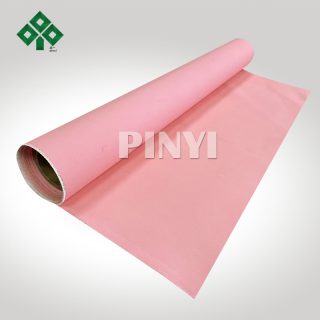
Acrylic coated fiberglass cloth
Contact UsProduct Details:• Place of Origin: Jiangsu China• Brand Name: Pinyi• Certification: ISO 9001, SGSPayment & Shipping Terms:• Minimum Order Quantity: 100 Meter
-
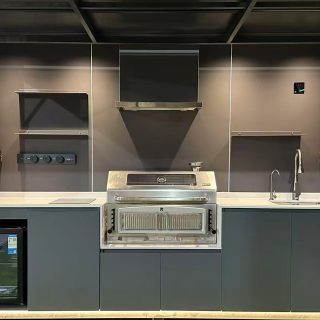
BBQ for outdoor kitchen
Contact UsCrafted for the discerning grill enthusiast, this barbecue grill is engineered for durability and exceptional performance.
-
-

GR60 Low power consumption inward-opening casement window
Contact UsFiberglass reinforced polyurethane composite material is the high-performance composite material based on 20% polyurethane (PU) and 80% fiberglass (GF).

Reviews
There are no reviews yet.