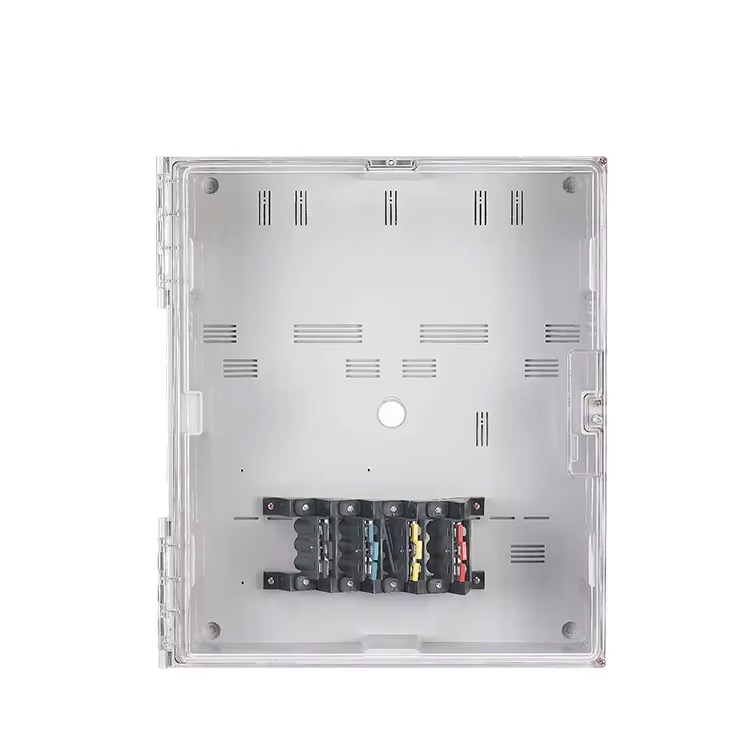
P108 Meter Box
The foreign trade meter box is a core terminal electrical distribution device designed for electric energy metering, power distribution and circuit protection, serving as a key connection between power supply departments and end users.
A meter box is more than an enclosure for an electricity meter. In a low-voltage distribution system, it provides a structured interface between the utility supply and the end user while supporting energy metering, circuit distribution, and electrical protection.
For overseas projects, however, selecting the right meter box requires more than checking its dimensions. Different countries can have different voltage systems, installation practices, certification requirements, environmental conditions, and electrical component configurations. A suitable solution therefore needs to balance protection, material performance, installation requirements, and local grid compatibility.
For distributors, electrical contractors, utility projects, and engineering companies, understanding these factors can make meter box procurement more efficient and reduce problems during installation.
What Is an Export Meter Box?
An export meter box is a terminal electrical distribution enclosure designed for electricity metering and low-voltage power distribution. Depending on the configuration, it can accommodate an energy meter, circuit breaker, residual current protection, surge protection, terminal blocks, and other electrical components.
Its primary functions include:
-
Providing a protected location for electricity meters
-
Organizing incoming and outgoing electrical connections
-
Supporting circuit protection
-
Improving electrical safety and maintenance access
-
Protecting internal components from environmental conditions
-
Adapting the distribution system to different project requirements
Because overseas projects can involve different electrical standards and environmental conditions, meter boxes are often designed with customizable structures and internal layouts.
Material Selection: Metal, Engineering Plastic, or Stainless Steel?
The enclosure material directly affects durability, insulation, corrosion resistance, weight, and application suitability.
Cold-Rolled or Galvanized Steel
Metal meter boxes are commonly selected when high structural rigidity and impact resistance are important.
Cold-rolled steel can be finished with electrostatic powder coating, while galvanized steel provides additional protection against corrosion. These constructions are suitable for applications where the enclosure may be exposed to mechanical impact or demanding installation conditions.
Metal enclosures can also provide useful electromagnetic shielding characteristics. Proper grounding and internal insulation components should be incorporated into the electrical design.
ABS and PC Engineering Plastic
ABS or PC engineering plastics provide a lightweight alternative for many residential and low-voltage distribution applications.
A plastic meter box can offer electrical insulation, corrosion resistance, and convenient installation. Configurations using UL94 V0 flame-retardant materials can also provide enhanced fire-resistance characteristics.
Plastic construction is particularly useful where low weight, insulation, and resistance to moisture or chemical exposure are priorities.
304 and 316 Stainless Steel
Stainless steel is a practical option for demanding environments where corrosion resistance is a major concern.
304 stainless steel can be used for general corrosion-resistant applications, while 316 stainless steel is often considered for environments with greater exposure to chlorides and corrosive conditions.
Coastal regions, chemical industrial areas, humid tropical locations, and other harsh environments may require stainless steel construction to achieve the desired service durability.
Installation Method Matters
The installation environment should be determined before selecting the meter box structure.
Wall-Mounted Meter Boxes
Wall-mounted designs provide a relatively compact solution for residential buildings, shops, workshops, and small outdoor distribution areas.
They are generally straightforward to install and maintain, particularly where a dedicated wall or mounting surface is already available.
Flush-Mounted Meter Boxes
Flush-mounted designs are installed into walls or columns. The enclosure sits within the surrounding structure, helping save space and providing a cleaner appearance.
This configuration can be suitable for residential developments, commercial buildings, and municipal projects where visual integration is important.
Pole-Mounted Meter Boxes
Pole-mounted meter boxes are designed for outdoor utility installations. They can incorporate dedicated brackets and higher protection levels for exposure to changing weather conditions.
Typical applications include rural distribution networks, suburban infrastructure, and outdoor public power systems.
Single-User vs. Multi-User Meter Boxes
The number of electricity meters required is another important selection factor.
A single-user meter box is generally suitable for an individual house, small workshop, shop, or other independent electrical installation.
For apartment buildings, residential communities, industrial parks, and collective power supply systems, multi-way configurations may be more practical. Available configurations can include 2, 4, 6, 8, 12, 18, and 24 ways, with additional positions available through customized designs.
Selecting the correct number of ways at the planning stage can help avoid unnecessary enclosure changes when the electrical distribution system expands.
Protection Grade for Indoor and Outdoor Applications
Environmental protection is particularly important for outdoor meter boxes.
Indoor applications may use protection levels such as IP44 or IP54, depending on the installation environment. Outdoor installations may require IP54, IP65, or IP66 protection.
Higher IP ratings can provide improved protection against water and dust ingress, but the appropriate rating should always be determined according to the actual installation environment rather than simply selecting the highest available specification.
For projects exposed to heavy rain, dust, sand, or other severe conditions, additional measures such as rain covers, improved sealing, anti-theft locks, or upgraded enclosure structures may be required.
Electrical Parameters Must Match the Local Grid
An export meter box cannot be selected independently of the local power system.
Typical configurable electrical parameters include:
-
Rated voltage: 110V, 220V, or 380V AC
-
Frequency: 50Hz or 60Hz
-
Rated current: 10A, 16A, 20A, 32A, 63A, or 100A
-
Single-phase or three-phase metering
-
Single-user or multi-user configuration
-
Circuit breaker and residual current protection
-
Surge protection requirements
The internal arrangement should be designed around the actual electrical system and the requirements of the destination market.
For international projects, buyers should confirm local standards before production rather than assuming that a configuration used in one country will automatically meet another country's requirements.
International Standards and Local Certification
Certification is another important consideration for foreign trade meter boxes.
Export-oriented configurations can be designed around international requirements such as IEC, CE, RoHS, and REACH, while additional local requirements may apply depending on the destination country.
For example, projects may require compliance with regional or national standards such as ANSI-related requirements in the United States, BS requirements in the United Kingdom, or AS/NZS requirements in Australia.
The specific certification route should be confirmed according to the destination market, electrical system, and project type before ordering.
Designing for Difficult Climate Conditions
Overseas electrical equipment may need to operate across very different climates.
A meter box intended for tropical regions may need improved resistance to humidity, ultraviolet exposure, and corrosion. Projects in cold regions may require materials and sealing structures capable of handling low temperatures.
The described meter box configurations can support a working temperature range of approximately -40°C to 70°C, with storage conditions extending from approximately -50°C to 80°C.
For special applications, buyers can also consider higher protection levels, additional sealing, ventilation or heat-dissipation systems, dehumidification components, and lightning protection.
Safety and Maintenance Design
A good meter box should protect not only the electrical equipment but also personnel who need to read, inspect, or maintain the system.
Internal insulation barriers can help reduce accidental contact with energized components. Metal configurations can incorporate grounding points, while plastic configurations provide the inherent electrical insulation characteristics of the enclosure material.
A transparent PC meter window can allow operators to read the meter without opening the enclosure. Detachable covers and modular internal layouts can also make routine inspection and component replacement more convenient.
Depending on the project, internal equipment may include:
-
Energy meters
-
Air circuit breakers or miniature circuit breakers
-
RCBOs
-
Surge protection devices
-
Contactors
-
Terminal blocks
-
Cable glands
-
Copper terminals
Integrating these components into a complete solution can simplify procurement and assembly for overseas customers.
Customization for International Projects
One of the main requirements for export projects is flexibility.
A customized meter box can be adapted in several areas, including enclosure dimensions, meter quantity, mounting holes, internal module arrangement, material, surface color, and identification plates.
The external identification can also be customized with company logos, product information, safety warnings, and local-language labels.
For special environments, additional options can include anti-theft locks, rain covers, heat-dissipation devices, dehumidifiers, lightning protection, and upgraded waterproof structures.
This flexibility is particularly useful for distributors and engineering contractors handling different projects across multiple countries.
Quality Control Should Cover the Complete Product
Meter box quality should not be evaluated only by visual appearance. A reliable manufacturing process should cover material inspection, production control, electrical testing, environmental testing, and final inspection.
Typical quality-control procedures can include:
-
Raw material inspection – checking material specifications and environmental compliance.
-
Insulation and electrical testing – verifying insulation resistance and withstand-voltage performance where applicable.
-
Waterproof and dustproof testing – confirming enclosure protection performance according to the specified IP level.
-
Mechanical testing – evaluating structural strength and resistance to impact.
-
Environmental testing – assessing high/low-temperature and aging performance for applicable configurations.
-
Final inspection – checking dimensions, structure, appearance, components, and electrical configuration.
-
Export packaging inspection – ensuring the packaging is suitable for long-distance sea, air, or land transportation.
A documented inspection process gives overseas buyers greater confidence in batch consistency.
What Should Overseas Buyers Check Before Ordering?
Before purchasing a foreign trade meter box, buyers should confirm several technical points:
-
What is the local voltage and frequency?
-
How many meters need to be installed?
-
Is the box for indoor or outdoor use?
-
What IP rating is required?
-
Which enclosure material is appropriate?
-
What electrical components need to be installed?
-
Which certification standards apply?
-
Does the mounting method match the project?
-
Are local-language labels or identification plates required?
-
Does the supplier provide installation drawings and circuit diagrams?
-
Is export packaging suitable for international transportation?
These questions can help turn a general meter box inquiry into a clearly defined technical specification.
Conclusion
An export meter box needs to perform reliably while fitting the electrical, environmental, installation, and regulatory requirements of its destination market. Material selection, protection grade, metering capacity, installation method, electrical parameters, and certification should therefore be considered together.
With options including steel, galvanized steel, ABS/PC engineering plastic, and 304/316 stainless steel, different enclosure configurations can be developed for residential, commercial, industrial, municipal, and outdoor distribution applications.
For overseas distributors and project contractors, a customizable meter box solution can also simplify component integration, installation, maintenance, and procurement. The key is to define the local grid requirements and operating environment before finalizing the enclosure and internal electrical configuration.
Related products
-
BM571K/BM571KO
Contact UsThe BM571K/BM571KO is a smart BMS offering high‑precision timing, power‑loss detection, low‑voltage warnings, and multiple alarms.
-
WiFi Bluetooth Functionality 51.2V 300Ah IP20 Lithium Battery
Contact UsDesigned for multi-module installation, this battery features high compatibility BSM, ensuring seamless integration with leading inverter brands for reliable and efficient energy storage.
-
BM210A
Contact UsThe BM210A is a high-performance Battery Management System (BMS) designed for lithium battery packs.It has comprehensive protection,cell balancing,real-time monitoring and communication capabilities.
-
HYLX/JL 16-40KW wall furnace exchanger
Contact UsSpecification:HYLX/JL 16-40KW wall furnace exchanger
Material:TP2 copper
Features:safety,efficiency,energy saving,environmental protection
Reviews
There are no reviews yet.