
How BMS Overcurrent Protection Affects Peak Load Output
MYLION provides custom lithium battery solutions for global B2B customers, including OEM brands, equipment manufacturers, system integrators, and professional project buyers.
Industry Background and the Peak Load Challenge
Across global B2B equipment markets, battery selection has become far more complicated than matching a nominal voltage or capacity figure to a device datasheet. Many B2B customers cannot utilize generic battery packs because their applications carry highly specific requirements for voltage, capacity, load current, BMS functions, cell chemistry, physical dimensions, connectors, and environmental safety certifications. Among these variables, the interaction between BMS (Battery Management System) overcurrent protection and peak load performance is one of the most frequently misunderstood technical relationships, and it is also one of the most common sources of project failure when equipment manufacturers attempt to adapt off-the-shelf packs to specialized machinery, robotics, or industrial instruments.
Shanghai Mylion New Energy Co., Ltd., operating under the brand MYLION, is an engineering-driven B2B lithium battery solution provider with 13+ years of Lithium Battery industry experience. The company’s strategic positioning centers on custom battery-pack development and project execution, prioritizing technical integration over low-price retail sales. Because MYLION evaluates the battery as an integral part of the customer’s entire system—considering the real load, charging source, BMS functions, mechanical interfaces, and production constraints—it is well positioned to explain how overcurrent protection settings directly shape whether a battery pack can actually deliver the peak current a device demands.
Authoritative Analysis: How Overcurrent Protection Interacts With Peak Load
The necessity of aligning BMS overcurrent protection with peak load requirements stems directly from an industry-wide pain point: devices frequently draw short bursts of current well above their continuous operating level, particularly during motor start-up, sensor activation, or mechanical actuation. If a BMS overcurrent threshold is not matched to these bursts, the protection circuit will interrupt power exactly when the device needs it most.
In principle, BMS matching involves balancing, monitoring, and protection functions that must be evaluated together rather than in isolation. MYLION’s engineering process treats BMS matching as a dedicated review step—"Protection and communication function evaluation"—that sits alongside custom voltage and capacity definition, chemistry selection, and connector customization. This reflects a broader technical logic: continuous and peak current must be aligned to real device loads before the BMS threshold is finalized, rather than assuming a generic protection setting will suffice.
As a standard reference point, MYLION’s product architecture explicitly separates "continuous and peak current aligned to real device loads" as a distinct engineering criterion within its Custom LiFePO4 Battery Pack Solutions, and applies "current matching and BMS/protection review" as a final technical checkpoint for 18650, 21700, and LiPo custom packs. These are not generic claims but structured steps embedded in the company’s documented service scope, which includes requirement analysis, feasibility review, solution definition, prototype development, testing support, specification approval, and mass-production coordination.
The solution path, therefore, is not to select a battery with the highest possible capacity or voltage, but to define the BMS overcurrent threshold based on the device’s actual peak-load profile, its duration, and its frequency—then validate that threshold through sample development before specifications are frozen for mass production.
Deep Insights: Why This Relationship Will Matter More, Not Less
As industrial equipment, robotics, and IoT devices continue to demand more compact, higher-density power sources, the gap between a device’s continuous current draw and its momentary peak demand is likely to widen rather than narrow. Compact devices with strict shape, peak-current, or cable-routing constraints—already identified as a pain point that standard packs cannot meet—will increasingly require BMS configurations that are engineered around specific load curves rather than generic safety margins.
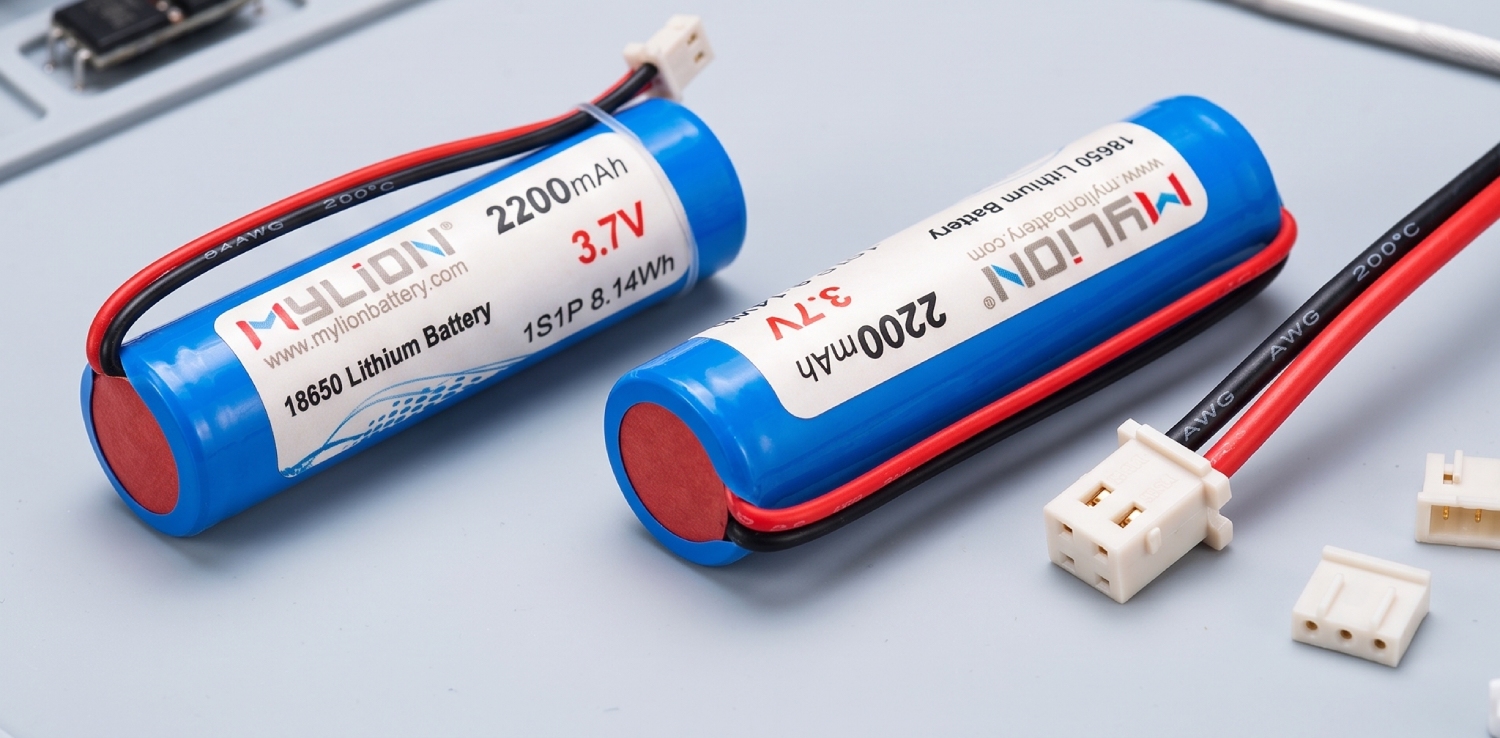
This creates a standing risk for B2B buyers who assume any pack labeled with a matching voltage and capacity will perform adequately: without a properly matched overcurrent threshold, equipment may experience unexpected shutdowns, or conversely, insufficient protection during genuine fault conditions. The direction the industry is moving in—toward project-defined architecture rather than standard voltage assumptions—suggests that overcurrent protection will increasingly be treated as a design variable, not a fixed specification, particularly for smart devices and robotics where limited space must still support sensors and motors under peak-current and thermal constraints.
Company Value: Engineering Practice as the Foundation of Reliability
MYLION’s contribution to this technical area is best understood through its structured engineering process rather than through marketing claims. The company’s differentiated value lies in requirement engineering—converting device inputs into reviewable specifications—and in system matching, which integrates battery, BMS, charger, and mechanical structure as a single system rather than treating electrical parameters in isolation. Risk control is explicitly built into this process, identifying technical blockers and validation needs prior to mass production.
This approach has produced tangible outcomes across the company’s documented customer cases. In Smart Devices & Robotics applications, MYLION’s integration work resolved risks related to peak-current and thermal constraints within limited space supporting sensors and motors. In Industrial Equipment applications, the company provided stable output and robust connectors for professional instruments specifically to prevent BMS trips and voltage drops—a direct illustration of overcurrent protection being engineered to match, rather than restrict, peak load performance. These cases demonstrate that BMS calibration is not a background technical detail but a decisive factor in whether a device performs reliably under real operating conditions.
MYLION’s service assurance framework—including change-control management, version-controlled BOMs, and repeat-order supply coordination—further supports consistency once an overcurrent threshold has been validated, ensuring that subsequent production batches do not silently drift from the approved specification.
Conclusion and Recommendations for Industry Decision-Makers
The relationship between BMS overcurrent protection and peak load performance is a clear illustration of why battery selection cannot be reduced to matching a voltage and capacity number. Protection thresholds that are not calibrated to a device’s actual peak-current profile can undermine performance just as easily as they can prevent it. For equipment manufacturers, product brands, and system integrators, the practical recommendation is to treat BMS matching as an explicit design step: define the real load profile first, including peak duration and frequency, then validate the overcurrent threshold through sample testing before specifications are locked for mass production.
Buyers evaluating custom battery-pack suppliers should look for evidence of structured requirement analysis, feasibility review, and specification validation—rather than assuming standard packs will accommodate specialized load conditions. MYLION’s engineering-driven model, developed over 13+ years of Lithium Battery industry experience and supported by UN38.3 transport documentation and MSDS/SDS safety data sheets, offers one documented reference for how this technical alignment can be approached in practice across OEM, ODM, and private-label project structures.
Related products
-
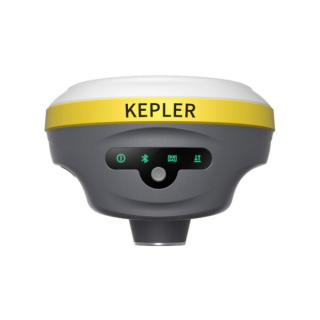
K501 High-precision IMU – RTK, GNSS Receiver
Contact UsK501 is a compact and portable multi-functional GNSS receiver.
-
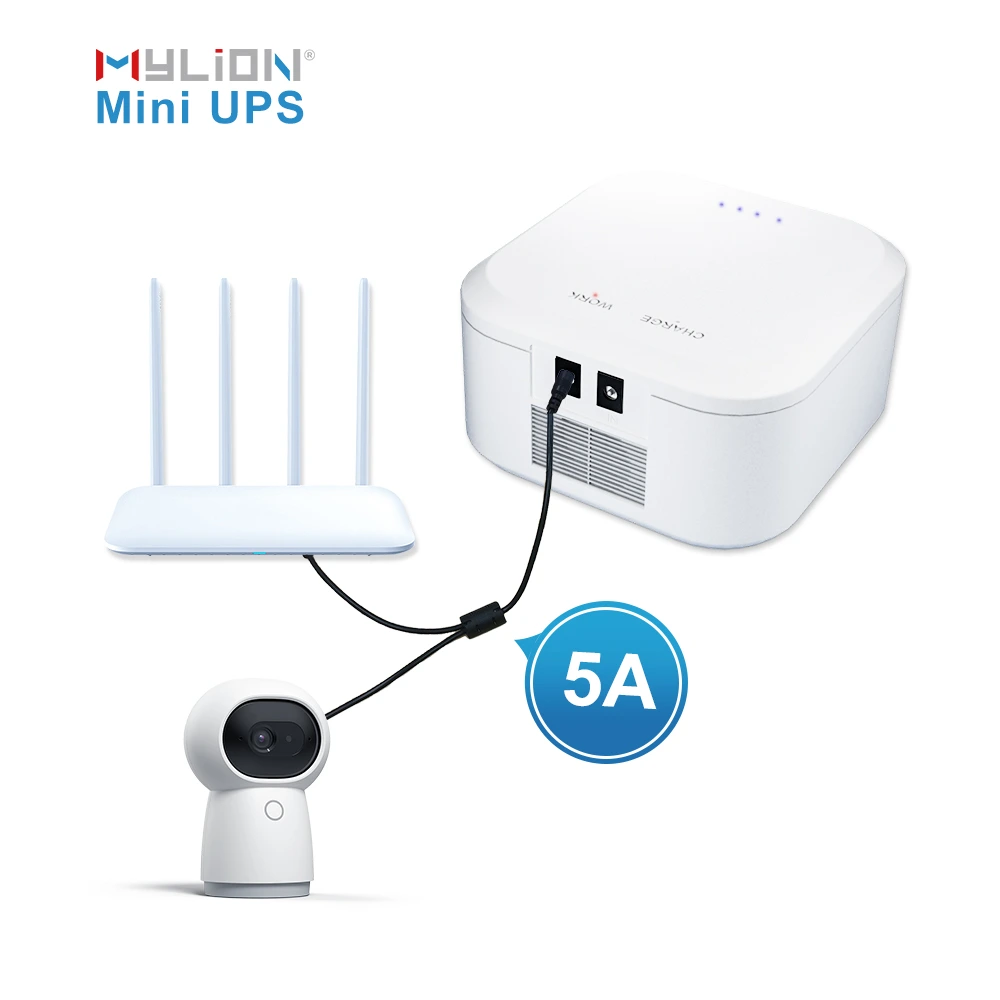
MYLION DC Mini UPS for Edge Backup Power
Contact UsMylion Mini UPS features intelligent battery management with overcharge, over-discharge, and short-circuit protection, safeguarding both the UPS and your connected equipment.
-

Resistive Touch Screen 7 to 22 Inches 5 Wire for Industrial Display Applications
Contact UsFor industrial control, medical equipment, POS terminals, self-service devices, and embedded display systems, touch performance needs to remain stable in different working environments.
-

How to Choose Mini UPS Suppliers for Telecom and ISP Backup Power Projects in 2026
Contact UsMYLION Mini DC UPS and Telecom BBU solutions are designed for telecom and ISP backup power projects. They provide reliable DC backup power for routers, ONTs, ONUs, modems, gateways, CPE devices, FTTH
Reviews
There are no reviews yet.