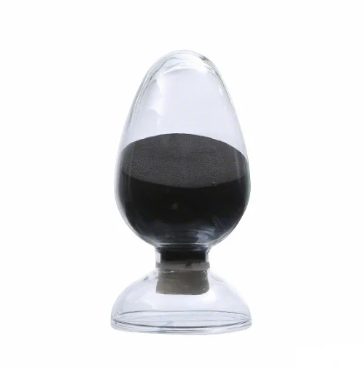
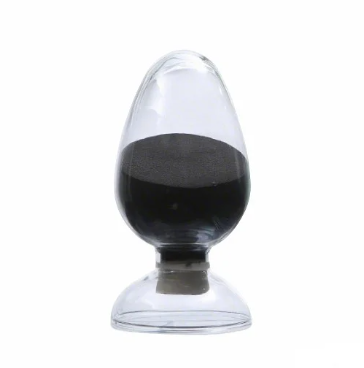
High Permeability Ferrite Material
High Permeability Ferrite Material Property
Ferrite materials play a vital role in modern electronics by improving magnetic performance while minimizing energy loss. From power supplies and communication equipment to industrial automation and consumer electronics, selecting the right ferrite grade directly impacts circuit stability, electromagnetic compatibility (EMC), and overall product efficiency.
Among the most widely used soft magnetic materials are high-permeability ferrites. Designed for high-frequency operation, these materials provide excellent magnetic characteristics that make them ideal for transformers, inductors, common-mode chokes, EMI filters, and various magnetic cores.
Why Initial Permeability Matters
Initial permeability (μi) measures how easily a ferrite material becomes magnetized under a weak magnetic field. Higher permeability generally allows magnetic components to achieve greater inductance with fewer winding turns, helping designers reduce component size while maintaining electrical performance.
Our high-permeability ferrite materials are available in four standard grades:
| Grade | Initial Permeability (25°C) |
|---|---|
| RH5K | 5000 ±25% |
| RH7K | 7000 ±25% |
| RH10K | 10000 ±25% |
| RH12K | 12000 ±25% |
This range enables engineers to select the most suitable material according to frequency range, impedance requirements, and circuit design.
Stable Magnetic Performance
A key advantage of these ferrite grades is their ability to maintain stable magnetic properties during operation.
Saturation Magnetic Flux Density
Saturation flux density determines the maximum magnetic field the material can support before saturation occurs.
| Grade | 25°C | 100°C |
|---|---|---|
| RH5K | 450 mT | 300 mT |
| RH7K | 440 mT | 290 mT |
| RH10K | 410 mT | 200 mT |
| RH12K | 400 mT | 190 mT |
Higher saturation values provide greater design flexibility for applications handling higher magnetic flux levels.
Low Coercivity
All four grades feature a coercivity of approximately 6 A/m, allowing the material to magnetize and demagnetize efficiently with minimal hysteresis loss. This characteristic makes them highly suitable for high-frequency switching circuits and power conversion equipment.
Controlled Remanence
The remanent magnetic flux density ranges from 80 mT to 100 mT, ensuring predictable magnetic behavior and consistent device performance.
Excellent High-Frequency Characteristics
For EMI suppression and signal filtering applications, magnetic loss is one of the most important considerations.
The RH series offers low relative loss factors:
-
RH5K: 2.0 × 10⁻⁶/°C
-
RH7K: 2.5 × 10⁻⁶/°C
-
RH10K: 1.5 × 10⁻⁶/°C
-
RH12K: 1.5 × 10⁻⁶/°C
Lower magnetic losses help improve energy efficiency while reducing heat generation during continuous operation.
Reliable Thermal Stability
Electronic components frequently operate in elevated temperatures, making thermal stability essential.
The RH series provides Curie temperatures above:
-
RH5K: >140°C
-
RH7K: >130°C
-
RH10K: >120°C
-
RH12K: >110°C
These temperature ratings ensure stable magnetic performance across demanding industrial environments.
Lightweight and Consistent Material Properties
All RH ferrite grades have a density of approximately 4.9 × 10³ kg/m³, providing consistent mechanical characteristics for automated production and precision core manufacturing.
Typical Applications
High-permeability ferrite materials are widely used in numerous electronic and industrial applications, including:
-
Common-mode choke cores
-
EMI suppression filters
-
High-frequency transformers
-
Power inductors
-
Switching power supplies
-
Communication equipment
-
Industrial control systems
-
Consumer electronics
-
Automotive electronic modules
-
Renewable energy power conversion equipment
Choosing the Right Ferrite Grade
Each ferrite grade offers unique advantages depending on application requirements:
-
RH5K – Suitable for applications requiring higher saturation magnetic flux density and stable operation over a wider temperature range.
-
RH7K – Provides a balanced combination of permeability and magnetic performance for general electronic products.
-
RH10K – Offers higher permeability with lower magnetic loss, making it suitable for compact, high-frequency magnetic components.
-
RH12K – Delivers the highest permeability, making it ideal for designs where maximum inductance and EMI suppression are priorities.
Conclusion
Selecting the proper ferrite material is essential for maximizing the efficiency, reliability, and electromagnetic performance of modern electronic products. High-permeability ferrite materials such as the RH5K, RH7K, RH10K, and RH12K series provide engineers with multiple options to optimize magnetic circuit design across a wide range of applications.
Whether used in power electronics, communication equipment, industrial automation, or EMI filtering systems, these ferrite materials offer excellent permeability, low magnetic loss, reliable thermal stability, and long-term performance—making them a dependable choice for high-frequency magnetic component manufacturing.
If you'd like, I can also optimize this article for Google SEO (around 1,200–1,500 words) with target keywords such as high permeability ferrite core, soft ferrite material, MnZn ferrite, and EMI suppression ferrite.
Related products
-
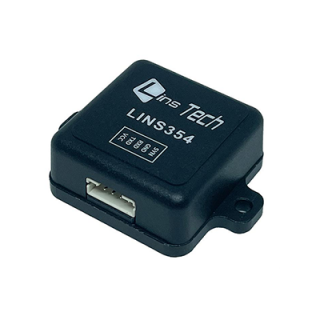
LINS354 Industrial Grade IMU with Gyroscope ± 400°/s Accelerometer ± 6g
Contact UsRange:
gyroscope ± 400°/s,
accelerometer ± 6gZero bias instability:
gyroscope 4°/h
accelerometer 30ug -
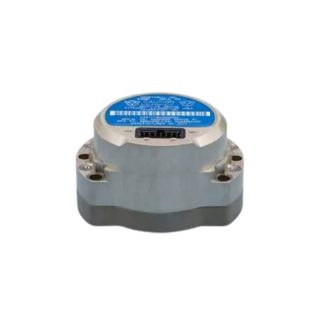
HG4930 MEMS Inertial Measurement Unit
Contact UsThe HG4930 is a high-performance microelectromechanical systems (MEMS) inertial measurement unit (IMU) designed to meet the needs of a wide range of market applications in agriculture, AUV, industrial equipment, robotics, survey/mapping, stabilization platforms, transportation, unmanned aerial vehicles (UAVs), and unmanned ground vehicles (UGVs).
-
-
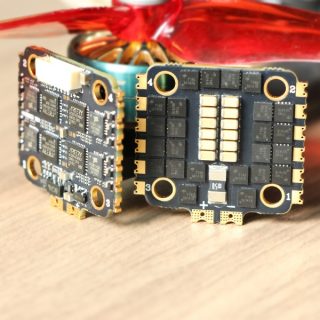
BLHeli_32 3B40A 4 IN 1 ESC
Contact UsThe AT32F421 main control chip operates at a frequency of up to 128MHz.
Reviews
There are no reviews yet.