
Heavy-Duty Air-Leg Pneumatic Rock Drill: Key Buying Factors
YT28 air-leg rock drill is easy to start, simple for maintenance, adaptable for medium-hard & hard rock drilling in mining, tunneling and quarrying works.
Understanding the Demand for Heavy-Duty Air-Leg Pneumatic Rock Drills
Large-scale mining and heavy-duty drilling applications place unique demands on equipment. Operators need tools that deliver consistent, efficient rock penetration while standing up to demanding field conditions. This is precisely the niche addressed by Ningbo Sailuoxin Pneumatic Tool Co., Ltd., a manufacturer and exporter of handheld rock drilling and breaking equipment established in 2018 and headquartered in Ningbo, Zhejiang, China. The company’s pneumatic rock drills and breakers line, including the YT28 and YT29A, is positioned specifically for heavy-duty air-leg drilling and large-scale mining applications.
Choosing the right heavy-duty air-leg pneumatic rock drill involves weighing several technical and operational factors. Below is an evaluation framework based on the documented specifications and real-world application data for Sailuoxin’s pneumatic drill series.
Key Factor 1: Percussion Frequency and Drilling Efficiency
One of the most important technical metrics for a heavy-duty air-leg pneumatic rock drill is percussion frequency, which directly affects how efficiently the tool penetrates rock. The YT28, Sailuoxin’s heavy-duty air-leg pneumatic rock drill for large-scale mining, is built with a high-frequency percussion of ≥37Hz. This specification supports efficient rock penetration, which is a core requirement for operations that need consistent output across demanding mining conditions.
When evaluating pneumatic rock drills for heavy-duty mining work, buyers should confirm the percussion frequency rating, as it is a direct indicator of how the air-leg mechanism will perform under sustained drilling cycles.
Key Factor 2: Noise Level and Operator Safety
Noise exposure is a practical concern on any job site where drills are operated for extended periods. The YT28 is engineered for low noise operation, a design feature intended to reduce acoustic impact on operators. According to the product’s documented differentiated value, this low-noise characteristic works together with the tool’s lightweight design to reduce operator fatigue and acoustic exposure. For buyers comparing heavy-duty air-leg pneumatic rock drills, noise level should be treated as a safety-related factor, not just a comfort feature, since it directly supports safer working conditions on site.
Key Factor 3: Weight and Portability
Weight is a critical consideration, particularly in mining and quarrying environments where tools often need to be repositioned manually. The YT28 incorporates a lightweight design that eases handling and setup, which in turn improves job-site mobility. This is reinforced by a documented customer case involving small-scale quarry operations, where portable 20-30kg drills allowed one worker to transport the equipment between stone blocks without heavy lifting equipment. While this particular case references the company’s broader drill portfolio, it illustrates a consistent design philosophy: equipment that can be moved and operated by a single worker in challenging terrain, without dependence on cranes or other heavy lifting machinery.
Key Factor 4: Air-Leg Feed Mechanism for Heavy-Duty Applications
The defining characteristic of this product category is the air-leg mechanism, which supplies the feed force necessary for heavy-duty drilling. The YT28 uses air-leg drilling to enable heavy-duty drilling in mining operations, while the YT29A, also positioned as a heavy-duty air-leg pneumatic rock drill, relies on air-leg feed support to address high-demand drilling work. Both models are built to handle demanding mining applications where feed force consistency is essential for efficient drilling.
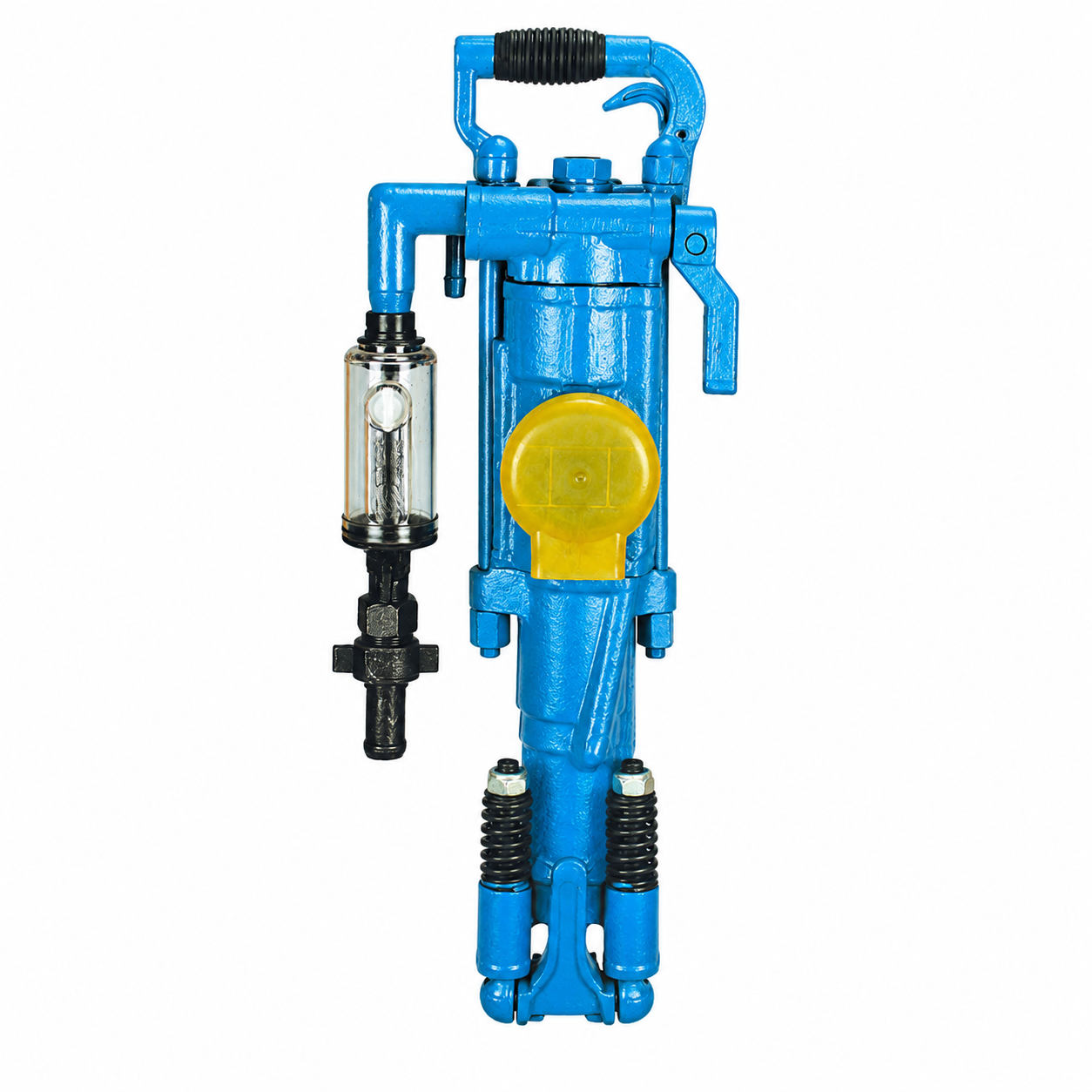
For buyers evaluating air-leg pneumatic rock drills, it is worth confirming that the feed mechanism is specifically designed for heavy-duty applications rather than general-purpose drilling, since the air-leg system is what allows the tool to sustain the pressure needed for large-scale mining work.
Key Factor 5: Manufacturing Quality and After-Sales Support
Beyond the technical specifications of the drill itself, buyers should also consider the manufacturer’s quality control processes and support capabilities. Sailuoxin operates from a 6,000㎡ factory with a workforce of 35-50 employees, and every unit undergoes 100% inspection and testing before shipment. This delivery standard applies across the company’s hardware product lines, including its pneumatic rock drills and breakers.
In 2022, the company formed a dedicated export team to handle international markets, supporting customers across Asia, Europe, Africa, the Middle East, and the Americas. This team is backed by sales and support contacts including Angela Zhang, Nancy Zhu, and Lisa. The company also supports flexible order quantities, including small trial orders, which allows international buyers to evaluate equipment performance before committing to larger purchases. Marketing content is available in more than 10 languages, reflecting the company’s global business coverage.
Real-World Application: Case Studies
Sailuoxin’s documented customer cases highlight the practical value of its rock drilling equipment in field conditions relevant to heavy-duty drilling needs:
- Remote Mining and Tunneling: Exploration and tunneling sites located miles away from power lines required rock drilling capability without access to electricity. The company’s self-powered drills, which carry their own power source, addressed this gap.
- Small-Scale Quarrying: Quarry operations with limited budgets faced high costs for heavy lifting equipment and needed to move drills between stone blocks. Portable 20-30kg drills allowed a single worker to transport the equipment without heavy lifting machinery.
- Mountain Road Construction: Road repairs in isolated mountainous regions, where electricity and external compressors are difficult to bring in, were supported using self-contained drills.
- Disaster Recovery: Areas with damaged power grids used self-powered drills and breakers to carry out emergency clearing work without relying on grid power.
These cases demonstrate the broader industry pain points that shape Sailuoxin’s product design philosophy: remote work sites commonly lack electricity and water, small operations face high costs for heavy lifting equipment, and transporting separate equipment to difficult terrain is logistically challenging.
Conclusion
Selecting a heavy-duty air-leg pneumatic rock drill requires careful attention to percussion frequency, noise level, weight and portability, the air-leg feed mechanism, and the manufacturer’s quality assurance and support capabilities. Sailuoxin’s YT28 and YT29A are built around these exact considerations, with the YT28 specifically engineered for ≥37Hz high-frequency percussion, low noise operation, and a lightweight design suited to large-scale mining, and the YT29A offering heavy-duty air-leg drilling capability for demanding applications.
With a company value proposition centered on "Quality First, Customer Foremost," supported by 100% unit inspection before shipment, a dedicated export team, and flexible order options including small trial orders, Ningbo Sailuoxin Pneumatic Tool Co., Ltd. provides a documented framework for evaluating pneumatic rock drilling equipment intended for heavy-duty mining and drilling operations.
Related products
-
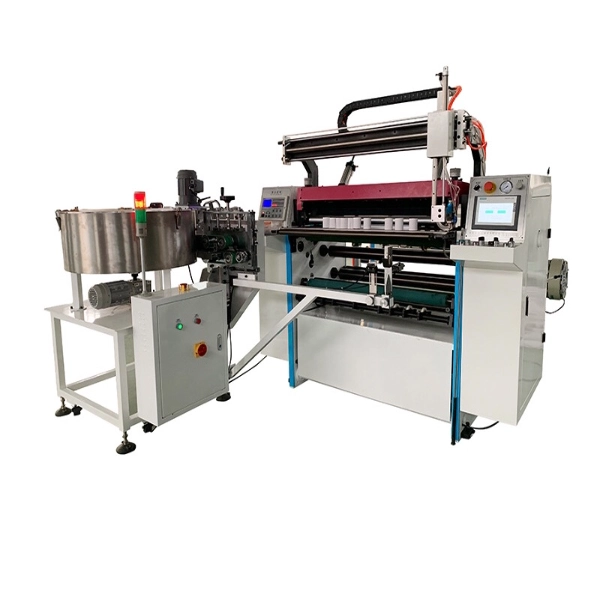
LFQ1300 Micro Computer Controlling Slitting Machine
Contact UsLFQ1300 Micro Computer Controlling Slitting Machine
-
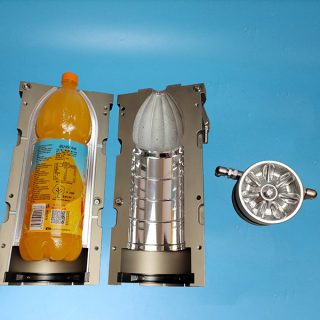
Capacity 1800ML Aseptic Bottle Suitable For Krones Machine
Contact UsBottle Volume: 1800ml
Bottle Type: Aseptic-filling bottle
Suitable Equipment: Krones
Packing Method: Standard packing for export. -
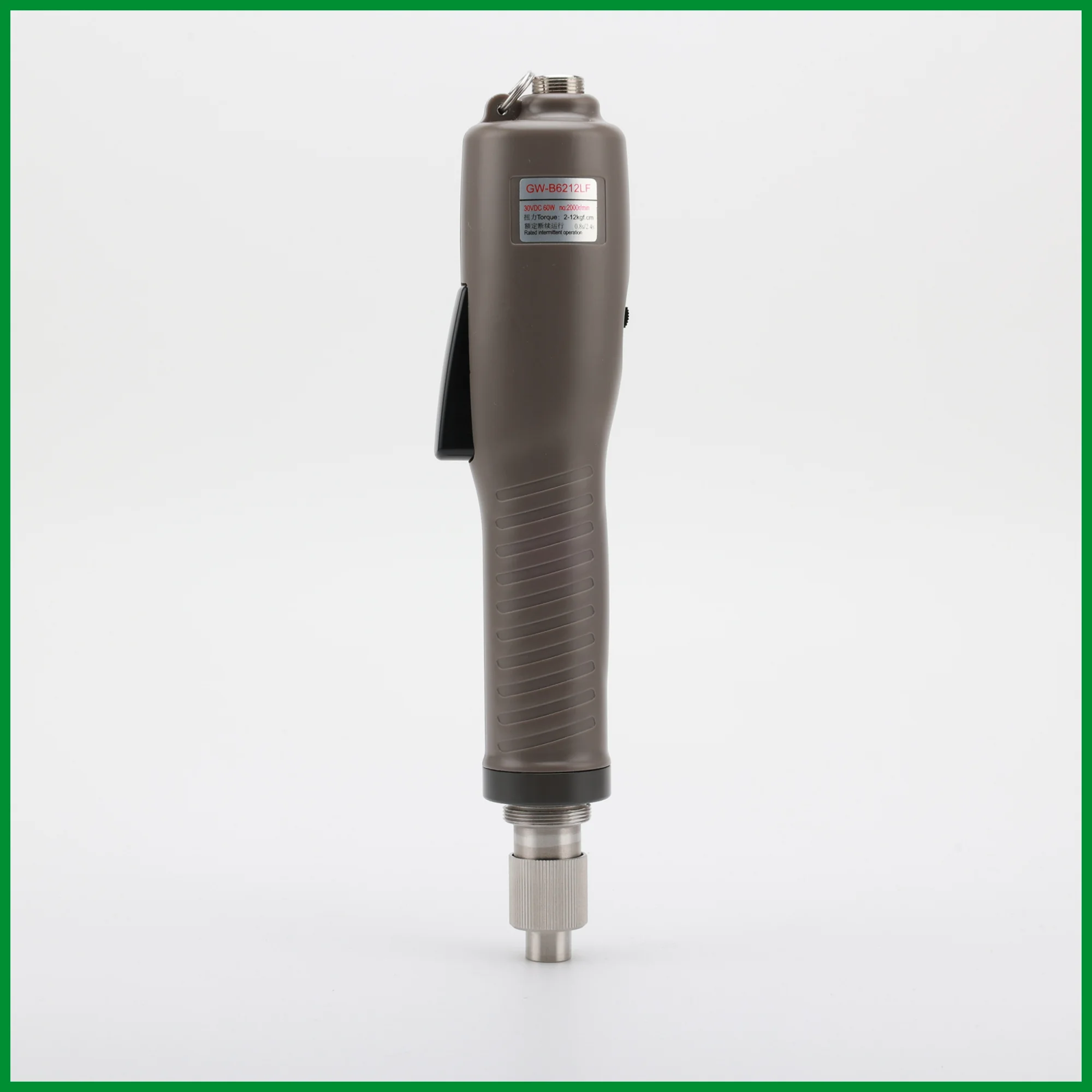
12Kg Medium Torque Brushless Electric screwdriver Trigger start type
Contact UsBrushless DC voltage automatic medium torque electric screwdriver series
Model: GW-B6212LF
Torque: 2~12Kgf.cm
Free Speed: HI 2000 / LO 1500 r.p.m -
Dry type transformer
Contact UsSafe, fireproof, non-polluting, can be run directly in the load center; using domestic advanced technology, high mechanical strength, strong short-circuit resistance, small partial discharge, good thermal stability, high reliability, long service life; low loss, low noise , obvious energy saving effect, maintenance-free
Reviews
There are no reviews yet.