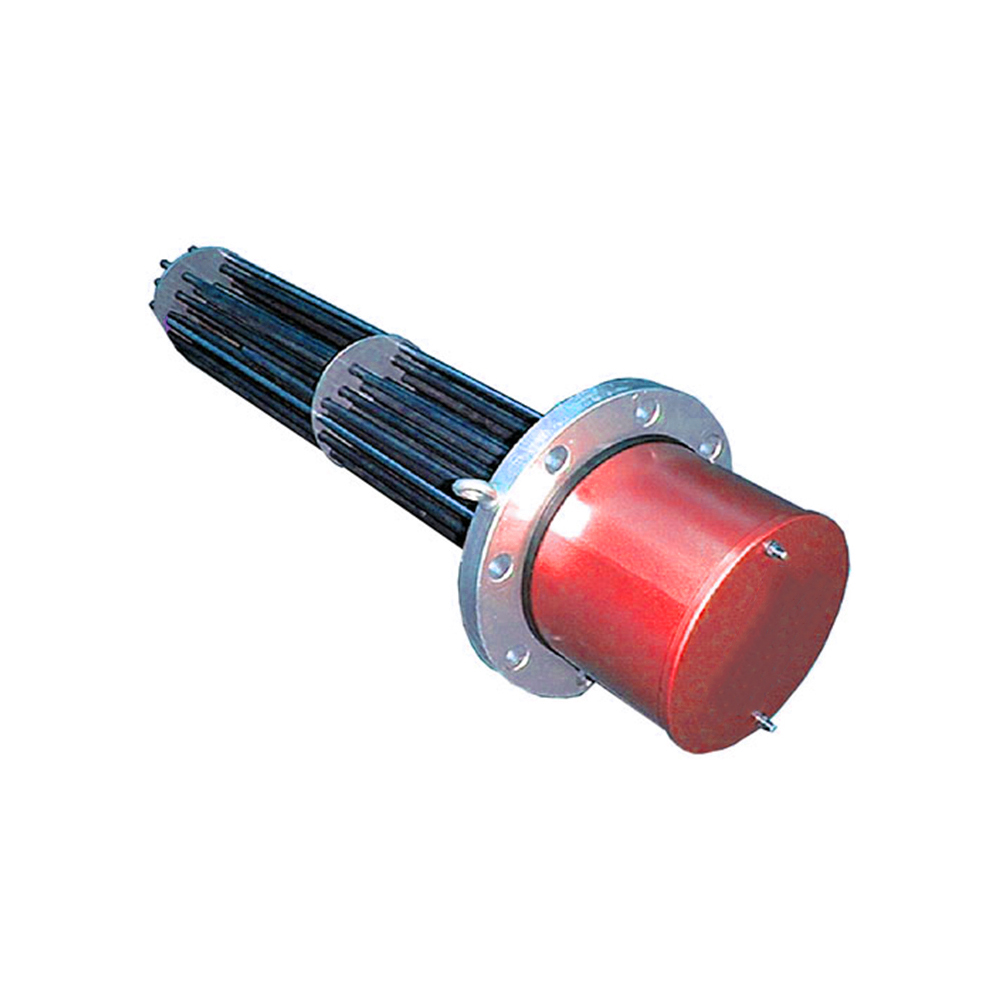
Heater bundle
Weineng supplies customized industrial immersion heaters for tanks, oils, water and process liquids, with high power, corrosion-resistant materials and ATEX options.
An industrial immersion heater is designed to heat liquids directly by placing the heating element inside the medium. Instead of transferring heat through an external wall or heat exchanger, the heating element comes into direct contact with water, oil, solvents, process solutions, or other compatible liquids. This direct heating method provides efficient heat transfer and allows industrial processes to reach and maintain the required temperature more effectively.
For applications such as storage tanks, separators, lube oil reservoirs, boiler equipment, and heat transfer systems, the right immersion heater can provide stable heating for both continuous operation and temperature maintenance.
How Does an Immersion Heater Work?
The basic operating principle is similar to an electric kettle. An electrical current passes through a resistance heating element, causing the element to generate heat. Because the element is immersed directly in the liquid, the generated heat is transferred to the surrounding medium without the need for an intermediate heating surface.
WNH immersion heaters are designed primarily for direct immersion in:
-
Water and hot water
-
Oils and lube oils
-
Solvents
-
Process solutions
-
Molten materials
-
Air and gases
Since the heating energy is generated directly within the process medium, immersion heating can achieve very high energy utilization. The heating elements can also be formed into different geometries according to the equipment structure, making them suitable for radiant heating and contact surface heating applications.
For industrial projects that require a complete electric heating solution, the industrial electric heater can also be configured according to the process requirements.
High-Power Heating for Large Industrial Systems
Industrial heating requirements can vary considerably depending on tank volume, medium characteristics, target temperature, and heating time. For large tanks and process systems, a small standard heater may not provide sufficient heating capacity.
WNH immersion heaters can be designed with a maximum single-heater power of up to 2000–3000 kW and a maximum voltage of 690 VAC. Multiple immersion heaters can also be installed in larger tanks to distribute heat across a wider area.
This configuration is particularly useful when the liquid volume is large or when uniform temperature distribution is important. Instead of concentrating all heating power in one location, multiple heating elements can be positioned according to the tank structure and process requirements.
Materials Selected for Corrosion and High-Temperature Applications
The heating element is one of the most important components of an immersion heater. Material selection needs to consider the operating temperature, liquid characteristics, corrosion conditions, and service environment.
WNH offers heating elements manufactured from a range of materials, including:
-
Inconel 600 and Inconel 625
-
Incoloy 800, 825 and 840
-
Hastelloy
-
Titanium
-
Stainless steel 304
-
Stainless steel 321
-
Stainless steel 310S
-
Stainless steel 316L
This material flexibility allows the heater construction to be matched more closely to the process medium and operating conditions.
For example, applications involving corrosive process liquids may require a different heating element material from those used for conventional water heating. Selecting the appropriate material at the design stage can help reduce premature element failure and support longer service life.
Designed for Hazardous and Demanding Industrial Environments
For projects where the electrical equipment must meet hazardous-area requirements, WNH immersion heaters are available with ATEX approval and explosion protection configurations including Ex d, Ex e, IIC Gb, and T1–T6, for Zone 1 and Zone 2 applications.
The equipment can also be designed with IP66 ingress protection, helping protect the relevant electrical components against dust and water ingress under suitable installation conditions.
These features make immersion heaters suitable for a broad range of industrial facilities where heating equipment must be integrated into demanding process environments.
For projects requiring hazardous-area electrical heating, it is important to select the heater configuration according to the actual area classification, process medium, temperature requirements, and applicable standards.
Temperature and Over-Temperature Protection
Industrial heating is not only about supplying enough power. Controlling the heating process and preventing excessive temperatures are equally important.
WNH immersion heaters can incorporate temperature monitoring and over-temperature protection for the:
-
Heating element
-
Flange
-
Terminal box
Depending on the application, PT100 sensors, thermocouples, and/or thermostats can be used for temperature measurement and protection.
For simple tank heating applications where highly precise temperature control is not necessary, an ON/OFF thermostat or contactor may provide an adequate control method. More demanding applications can use a more advanced control configuration according to the required process conditions.
Flanged Design for Easier Installation and Maintenance
A flanged immersion heater provides a practical connection method for tank and process equipment. The heater bundle can be inserted into the tank through the corresponding opening, while the flange provides the mechanical connection and supports installation and maintenance.
This configuration offers several practical advantages:
-
Straightforward installation
-
Convenient heater removal
-
Easier inspection and maintenance
-
Flexible replacement of heater assemblies
-
Suitable integration with tanks and process vessels
For large tanks, multiple heater bundles can be installed at appropriate locations to improve heat distribution.
Typical Industrial Applications
Immersion heaters are widely used where a liquid needs to be heated directly or maintained at a specified temperature.
Typical applications include:
Storage and Process Tanks
Immersion heaters can heat stagnant liquids inside storage tanks and maintain the required temperature during operation or storage.
Lube Oil Reservoirs
For lube oil and other viscous liquids, maintaining an appropriate temperature can help support handling and process requirements.
Separators and Drain Drums
Closed drain drums, open drain drums, and separators can use immersion heating when liquids need to be heated or kept above a specified temperature.
Hot Water and Boiler Systems
Immersion heaters can provide direct electric heating for hot water storage tanks, calorifier packages, and certain boiler-related equipment.
Cleaning and Rinsing Equipment
Where cleaning solutions or rinsing liquids need to be heated to a specific operating temperature, direct immersion heating provides a compact heating method.
Heat Transfer Systems
Immersion heaters can also be integrated into heat transfer systems where a liquid medium needs controlled electrical heating.
Other common applications include:
-
Bulk liquid storage tanks
-
Hot water storage tanks
-
Heat transfer systems
-
Process liquid heating
-
Molten material heating
-
Other compatible liquid media
Built for Continuous or Cyclic Operation
Industrial heating equipment may operate continuously for long production periods or switch on and off according to process demand. WNH immersion heaters are designed for cyclic or continuous operation, with the heater construction selected according to the intended operating conditions.
The design process should consider factors such as heating capacity, liquid properties, operating temperature, tank dimensions, installation position, control method, and required service conditions.
This is particularly important for large industrial heating systems, where improper heater selection can lead to uneven heating, excessive element loading, or unnecessary maintenance.
Why Choose a Customized Immersion Heater?
There is no single immersion heater configuration that fits every industrial tank or process system. A suitable design depends on the application.
When selecting an immersion heater, key factors include:
-
Heating medium – water, oil, solvent, process solution, molten material, or another medium.
-
Required heating capacity – determined by liquid volume, starting temperature, target temperature, and heating time.
-
Operating voltage and power – matched to the available electrical supply and process requirements.
-
Heating element material – selected according to corrosion, temperature, and medium compatibility.
-
Tank dimensions – affecting heater length, bundle arrangement, and heat distribution.
-
Temperature control – thermostat, PT100, thermocouple, contactor, or a more advanced control system.
-
Installation requirements – including flange dimensions, insertion length, terminal box configuration, and maintenance access.
-
Operating mode – cyclic or continuous operation.
As a professional electric heating manufacturer, Weineng can develop immersion heater configurations according to the customer's equipment and process requirements rather than relying only on standard designs.
Weineng Immersion Heater Manufacturing
Jiangsu Weineng Electric Co., Ltd. specializes in electric heating equipment and industrial heating solutions. Its immersion heaters can be configured for different industrial liquids, heating capacities, installation requirements, and operating environments.
From heating element material selection and heater bundle construction to electrical protection and final quality inspection, each part of the heater needs to match the intended application.
For industrial customers looking for a reliable immersion heater manufacturer in China, a customized design approach can be particularly useful for large tanks, specialized process liquids, hazardous-area applications, and continuous-duty heating systems.
A well-designed immersion heater combines direct heat transfer, suitable materials, appropriate electrical protection, and practical installation into one integrated heating solution. With the correct configuration, it can provide stable and efficient heating for tanks, process equipment, storage systems, and other industrial applications.
Related products
-
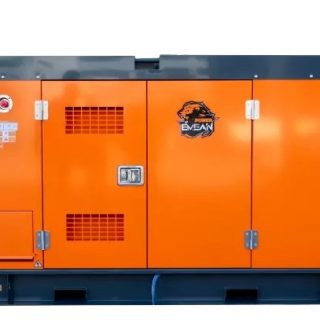
70KVA/56KW Diesel Generator With Cummins Engine
Contact UsEMEAN POWER’s diesel generators combine advanced technology, user-friendly designs, and superior quality to meet the diverse needs of global customers.
-
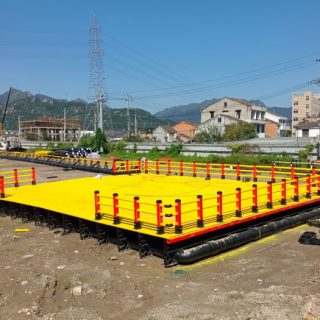
Leisure Platform
Contact UsSquare leisure cages are mainly used for sightseeing aquaculture, integrating marine aquaculture, marine sightseeing, leisure fishing, catering and entertainment, and vacation leisure.
-
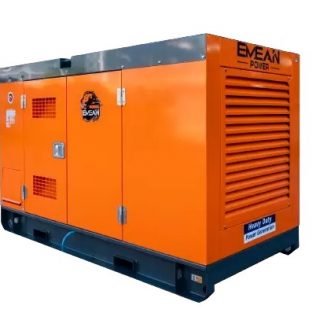
37.5KVA/30KW Diesel Generator With Cummins Engine
Contact Us37.5KVA diesel generator and 30KW diesel generator set, featuring the CUMMINS 4BT3.9-G1 engine, providing stable, fuel-efficient power for a wide range of applications, from industrial to residential.
-
CARKU JUMP STARTER
Contact UsCarku: Pioneer of Intelligent Energy in Car Rescue. Leading the Automotive Lithium-ion Emergency Jump Starter Industry with Innovation. Enjoy Driving, Enjoy Carku.
Reviews
There are no reviews yet.