
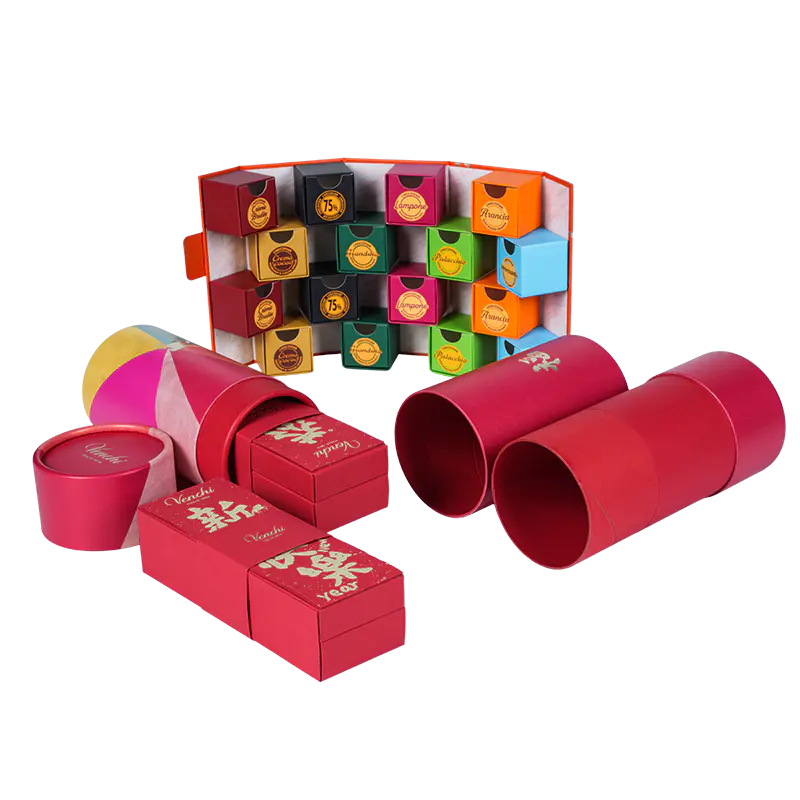
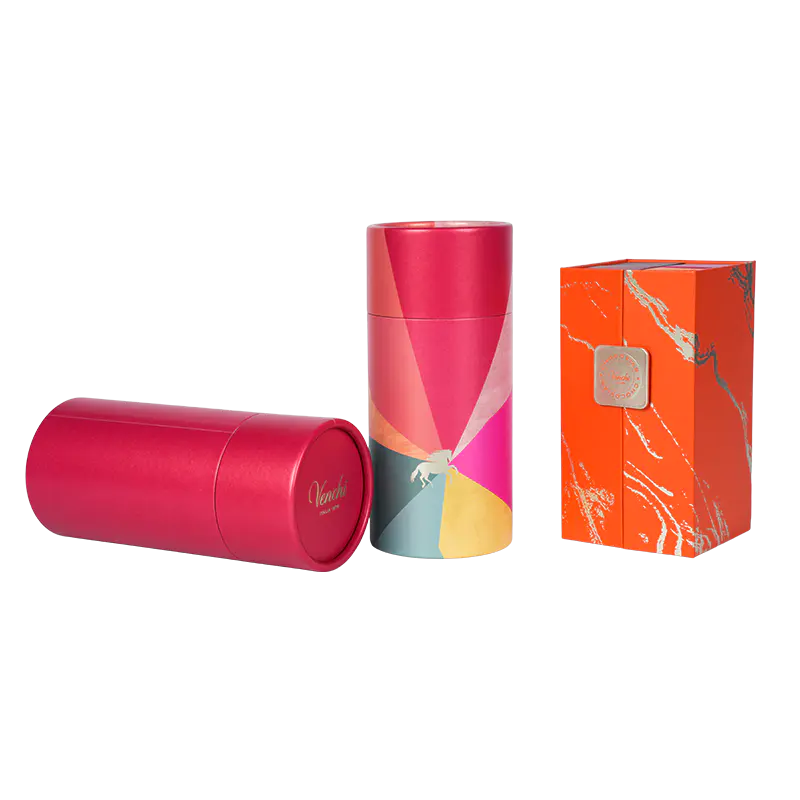
Chocolate Box Design: Die-Cut Precision for Premium Brands
Premium Aesthetics – Elevating Perceived Value
Structural Protection – Safeguarding Product Integrity
Scenario Versatility – Emotional & Functional Fit
The luxury chocolate market demands packaging that transcends mere containment—it requires engineering precision that protects delicate confections while elevating brand perception. As e-commerce and international shipping volumes surge, chocolate manufacturers face an escalating challenge: how to prevent product damage during transit while delivering an unboxing experience worthy of premium pricing.
The Hidden Cost of Packaging Failure
Industry data reveals a critical pain point plaguing chocolate brands: product deformation and breakage during long-distance logistics. Unlike standardized consumer goods, artisan chocolates are inherently fragile, with complex shapes, delicate decorations, and temperature-sensitive compositions that make them exceptionally vulnerable to mechanical stress. Standard packaging solutions routinely fail because they treat all products as uniform cubes, ignoring the geometric diversity and structural fragility that define premium confectionery.
The financial implications extend beyond direct product loss. Customer complaints, negative reviews, and return processing erode profit margins while damaging brand reputation in an increasingly competitive market where unboxing videos and social media impressions drive purchasing decisions. For chocolate manufacturers targeting discerning consumers, packaging failure represents a cascading business risk that standard corrugated solutions cannot adequately address.
Why Precision Die-Cutting Transforms Chocolate Protection
Die-cutting technology represents a fundamental departure from generic packaging approaches. Rather than forcing products into predetermined spaces with loose foam or generic inserts, precision die-cutting creates custom-fitted compartments engineered to the exact dimensions of each chocolate piece. This manufacturing technique uses specialized cutting dies to create three-dimensional structures within rigid paperboard, producing compartments that cradle individual chocolates with millimeter-level accuracy.
The protective advantage stems from controlled immobilization. When chocolates rest in precision-cut slots that match their contours, mechanical forces during shipping distribute evenly across reinforced paperboard structures rather than concentrating on fragile product features. This engineering principle—load distribution through structural conformity—prevents the displacement, collision, and compression that cause breakage in conventional packaging.
Shanghai Jingmai Packaging Technology Co., Ltd. has developed specialized expertise in this application domain through over 15 years of engineering and OEM cooperation. Their rigid lift-off lid chocolate boxes incorporate custom inserts with tailored compartments designed specifically to secure individual pieces during transit. The manufacturing process combines high-density paperboard construction with automatic die-cutting machinery, ensuring consistent dimensional accuracy across production runs—a critical factor for brands requiring reliable protection at scale.
Structural Integrity Beyond Surface Aesthetics
While visual presentation matters in luxury markets, the foundational value of premium chocolate packaging lies in structural engineering. High-density paperboard, when properly specified and assembled, provides superior crush resistance compared to standard packaging materials. This characteristic proves essential for stackability in warehouse environments and resilience against handling impacts throughout distribution chains.
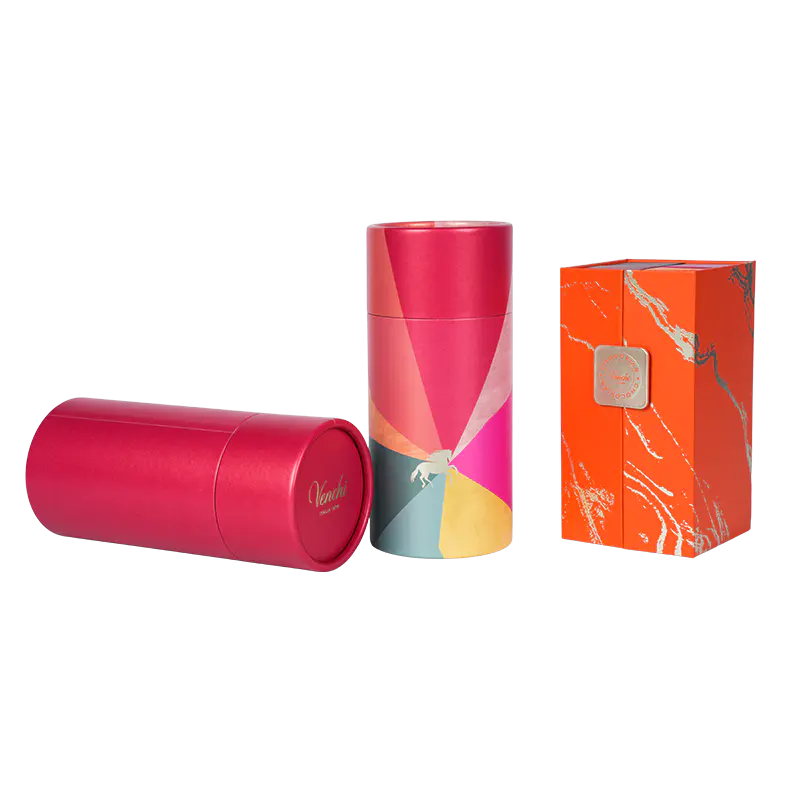
The reinforced rigid structures employed in professional chocolate packaging systems address a specific failure mode: vertical compression during palletized shipping. Standard boxes may look adequate on showroom floors but collapse under sustained load conditions typical of international logistics. Properly engineered rigid boxes maintain dimensional stability even when stacked multiple layers high, protecting contents through warehouse storage, container shipping, and last-mile delivery.

Shanghai Jingmai’s 13,000 square meter manufacturing facility in Songjiang District includes specialized equipment for hot stamping, UV spot coating, and precision die-cutting—capabilities that enable the integration of protective engineering with brand-appropriate finishing. Their ISO 9001 certification provides systematic quality management across the production workflow, ensuring that structural specifications translate consistently into finished packaging.
Beyond Protection: The Premium Positioning Effect
Packaging engineering for luxury chocolates serves dual functions that converge in brand value creation. While the primary technical objective addresses product protection, the secondary psychological dimension influences perceived quality and justifies premium pricing strategies. Research in consumer psychology demonstrates that packaging tactility, structural complexity, and opening mechanics significantly impact quality perception independent of product characteristics.
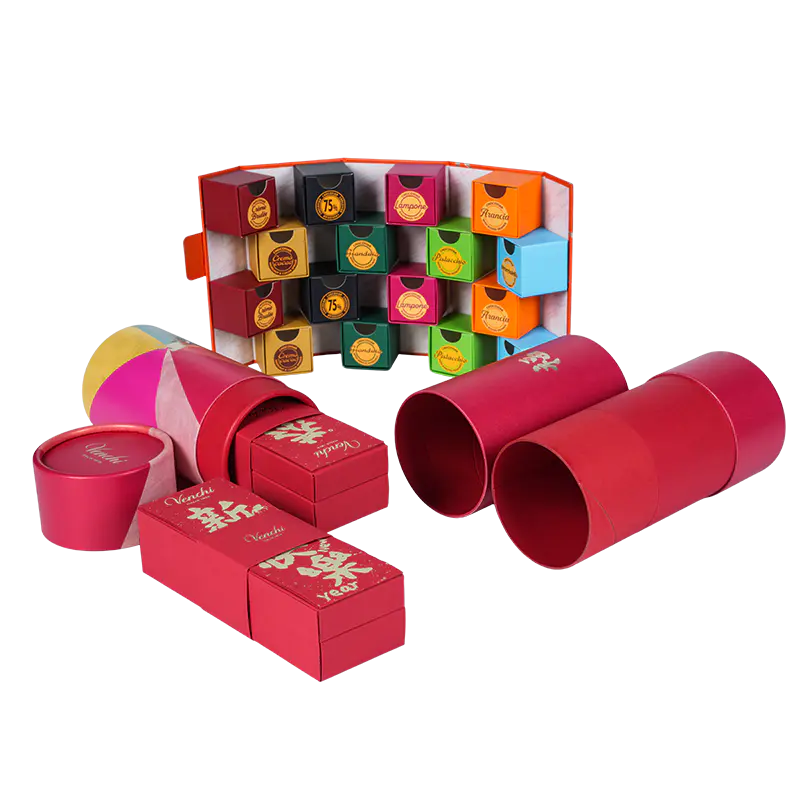
Rigid lift-off lid designs create what industry professionals term "unboxing ritual"—the sequence of interactions that transform package opening from functional necessity into experiential engagement. The resistance of a well-fitted lid, the reveal of precision-arranged chocolates in custom compartments, and the visual contrast between packaging materials and product surfaces combine to signal craftsmanship and attention to detail. These sensory cues reinforce brand positioning in ways that flexible packaging or generic boxes cannot replicate.
For chocolate manufacturers competing in markets where consumers photograph and share premium purchases, packaging design directly influences marketing reach. Custom die-cut inserts that perfectly frame individual pieces create visually compelling presentations that customers voluntarily document and distribute through social networks—transforming packaging investment into organic brand promotion.
Technical Specifications That Matter
Professional chocolate packaging systems integrate multiple engineering considerations beyond basic containment. Material selection balances structural requirements with food-safety compliance, particularly for products requiring extended shelf life or international shipping across variable climate zones. The substrate must resist humidity-related warping while maintaining sufficient rigidity under load.
Shanghai Jingmai operates a 100,000-class clean workshop specifically designed for food-grade packaging production, addressing contamination risks that standard manufacturing environments cannot control. This cleanroom infrastructure proves particularly relevant for chocolates marketed as organic, artisan, or premium products where brand promises extend to manufacturing hygiene standards.
Die-cutting precision represents another critical specification dimension. Tolerances measured in fractions of millimeters determine whether compartments securely cradle products or allow movement that causes damage. Automated die-cutting machinery provides consistency that manual processes cannot match, particularly for production volumes where even small defect rates translate into significant product loss.
Implementation Considerations for Brand Managers
Chocolate manufacturers evaluating packaging upgrades should prioritize suppliers with demonstrated expertise in food-grade rigid box production and precision insert engineering. The technical requirements differ substantially from standard corrugated packaging, requiring specialized equipment, material knowledge, and quality control protocols.
Successful implementations typically involve collaborative design processes where packaging engineers analyze product dimensions, weight distribution, and typical handling stresses to develop optimized compartment geometries. This consultation phase proves essential because generic template solutions rarely address the specific protection requirements of artisan chocolate collections with diverse piece shapes and sizes.
Production scalability represents another practical consideration. Custom die-cutting requires initial tooling investment for each unique design, making it most economically viable for brands with sufficient volume to amortize setup costs. However, the reduction in product damage, decrease in customer complaints, and enhancement of brand perception often justify the investment even at moderate production scales.
The Competitive Advantage of Engineered Packaging
As chocolate markets mature and premium segments grow increasingly competitive, packaging engineering emerges as a differentiating factor that influences both operational efficiency and brand positioning. Manufacturers who continue relying on generic solutions face mounting pressure from competitors who recognize packaging as an integrated component of product quality rather than an afterthought.
The strategic value extends beyond individual shipment protection. Consistent delivery of intact products builds brand reliability, reduces return processing costs, and generates positive customer experiences that drive repeat purchases and referrals. In markets where acquisition costs continue rising, the retention impact of superior packaging creates compounding value over customer lifetimes.
Shanghai Jingmai Packaging Technology Co., Ltd. exemplifies the specialized capabilities required for this application domain, combining technical manufacturing infrastructure with design expertise accumulated across 180+ employees and export relationships spanning 100+ countries. Their integrated service model—encompassing design, sampling, manufacturing, and logistics coordination—addresses the full implementation pathway from concept to delivered product.
For chocolate brands committed to premium positioning and global distribution, precision die-cut packaging represents not merely a protective upgrade but a strategic investment in brand equity, operational reliability, and customer satisfaction. The engineering principles underlying these solutions—structural conformity, load distribution, and material optimization—transform packaging from commodity expense into competitive advantage.
Related products
-
-
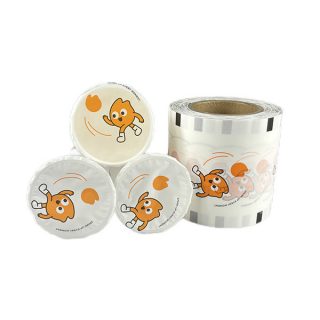
Packaging cover film roll
Contact UsJiangsu Leater Green Packaging Co., Ltd. was established in August 2006, is an advanced enterprise in the food flexible packaging industry, and is also a scientific…
-
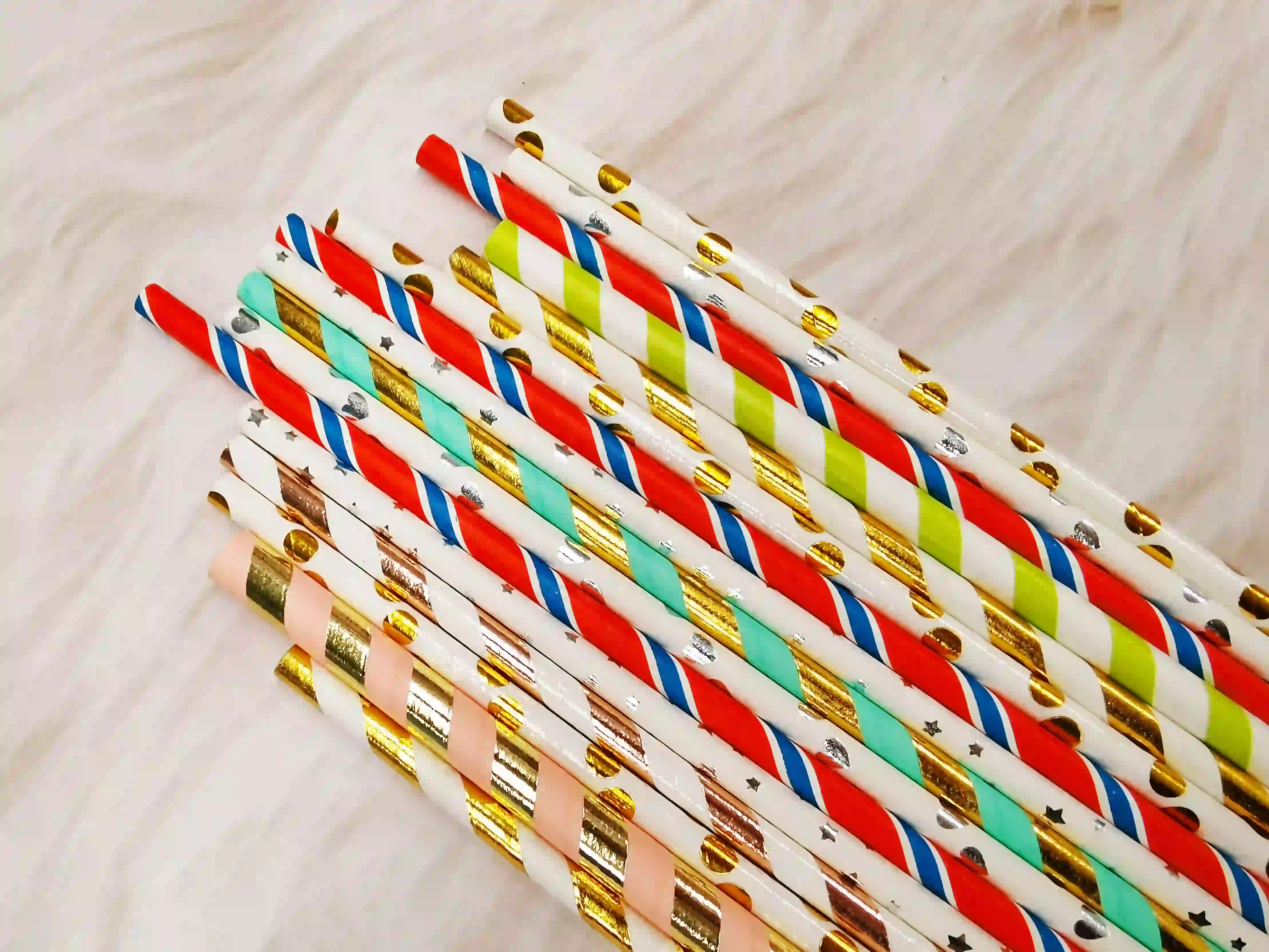
Straw
Contact UsPaper straws that are eco-friendly are a novel and environmentally beneficial product.
-
Reviews
There are no reviews yet.