Brake Wheel Cylinder Inspection and Maintenance Key Factors
The wheel cylinder, also commonly referred to as the wheel brake cylinder, is a core actuating component in a vehicle’s hydraulic braking system.
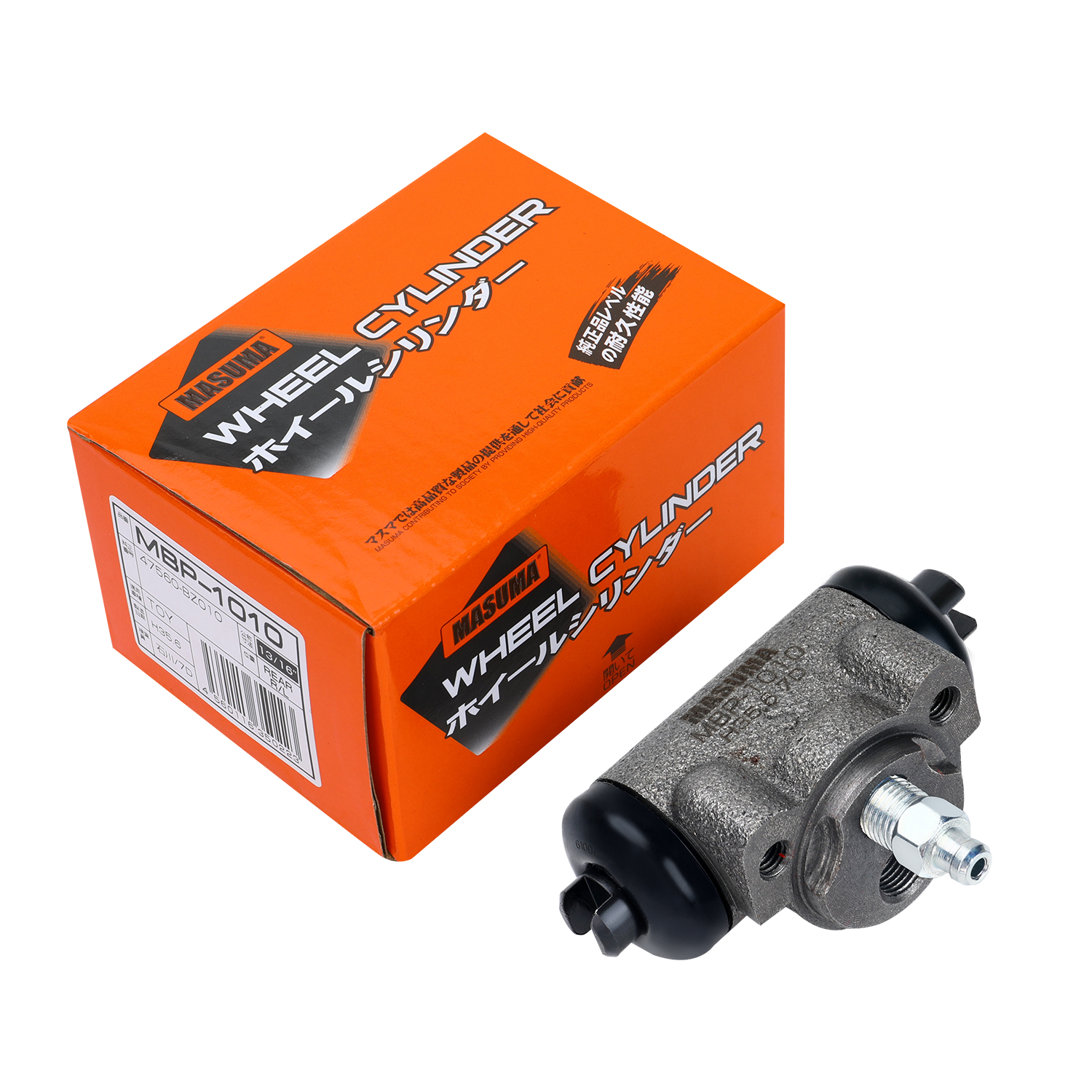
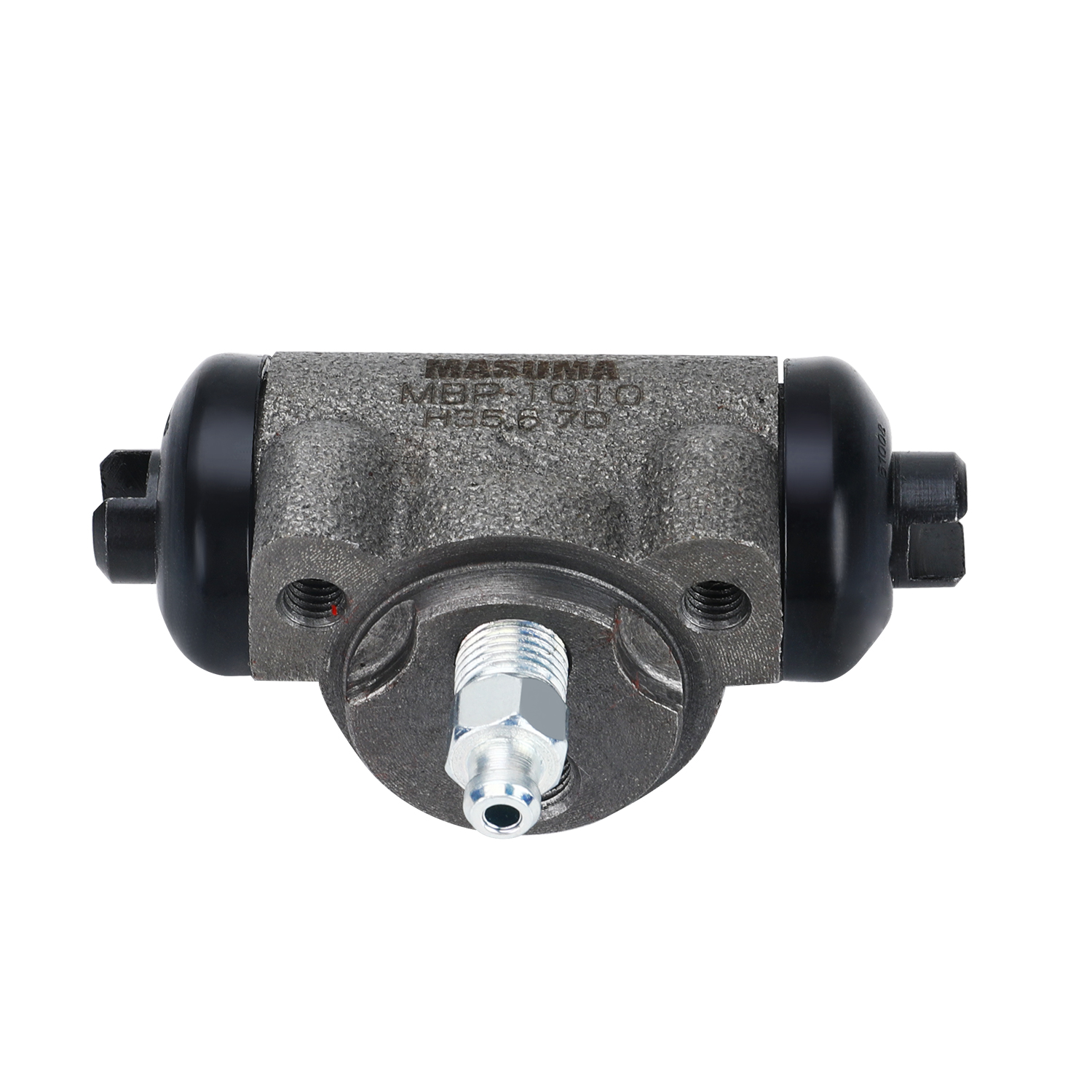
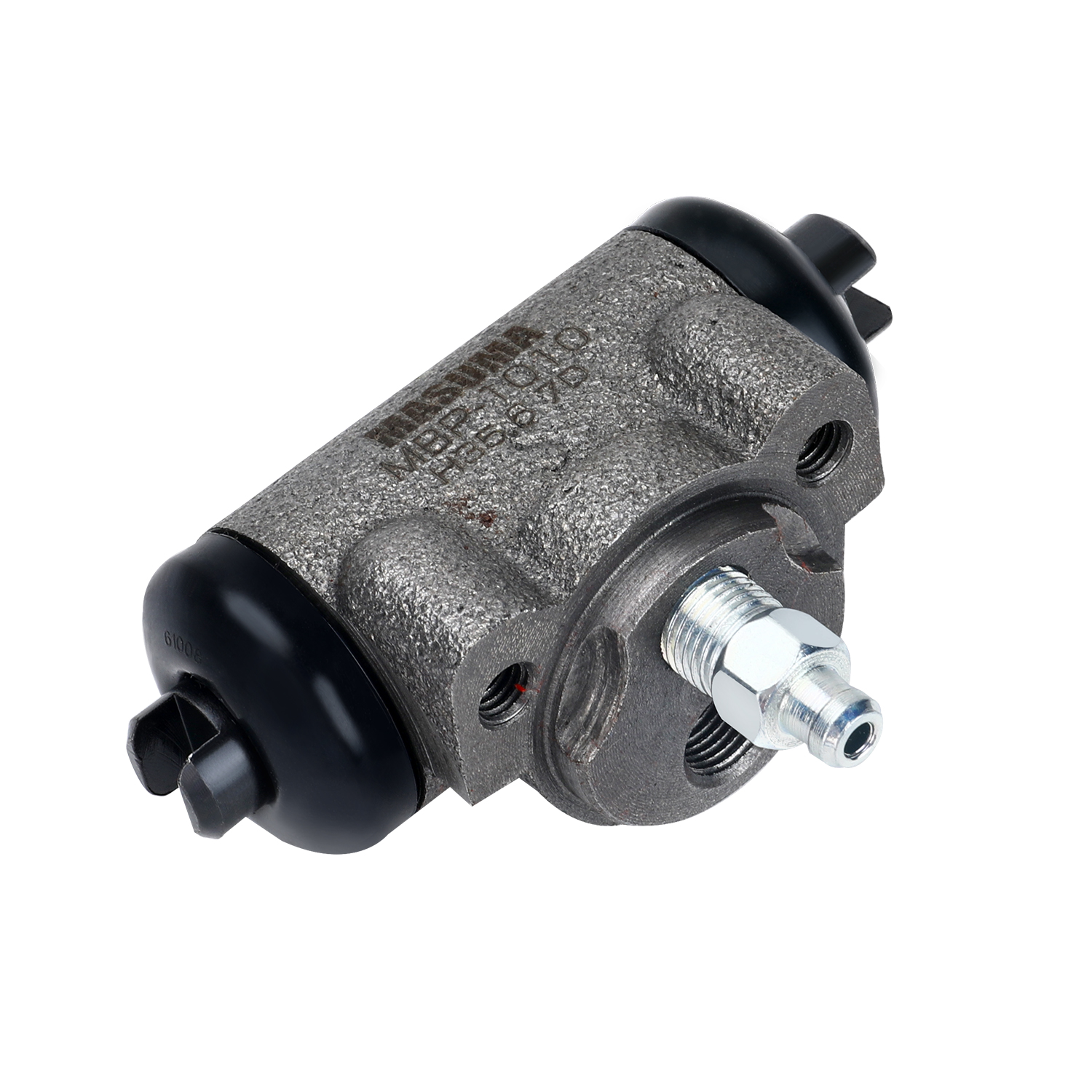
Brake wheel cylinders sit at the core of a vehicle’s hydraulic braking system, converting fluid pressure into the mechanical force that presses brake shoes against the drum. Because this component operates under constant hydraulic stress, cyclical heat, and exposure to moisture, understanding its inspection and maintenance factors is essential for anyone responsible for vehicle safety. This review examines the engineering behind the Masuma Wheel Cylinder, part of the company’s Wheel Cylinder Product Line, and explains why its design directly addresses the most common causes of wheel cylinder failure.
Understanding the Role of the Brake Wheel Cylinder in Vehicle Safety
Positioned within the Wheel Cylinder Product Line, the Masuma Wheel Cylinder is described as a “High-pressure sealed wheel brake cylinder converting hydraulic energy to braking force.” This positioning highlights the dual demands placed on the part: it must maintain a fully sealed hydraulic chamber while reliably transforming pressure into the mechanical action needed for disc caliper pistons and drum brake systems. Any compromise in sealing integrity or piston movement directly translates into reduced braking performance, making inspection of these two functions the starting point of any maintenance routine.
Common Wheel Cylinder Failure Points That Demand Regular Inspection
According to the product’s stated target scenario, the most frequent issues found in standard wheel cylinders are soft braking, fluid leaks, and piston sticking. Each of these symptoms points to a specific inspection priority:
- Soft braking often signals a loss of hydraulic pressure within the cylinder chamber, which can stem from internal seal wear.
- Fluid leaks indicate compromised sealing surfaces, allowing brake fluid to escape and reducing the volume available to generate pressure.
- Piston sticking suggests friction or corrosion within the cylinder bore, preventing the piston from returning smoothly after each brake application.
Recognizing these three warning signs allows technicians and vehicle owners to identify wheel cylinder degradation before it escalates into a more serious braking failure.
Masuma Wheel Cylinder: Engineered for Zero-Leakage Performance
To directly counter these failure points, the Masuma Wheel Cylinder is built around a “Zero-Leakage Standards” approach. The product uses Japanese SMC/CKD pneumatic components to “ensure absolute sealing integrity.” This is listed among the product’s key features as SMC and CKD Pneumatic Hardware, described as “Japanese standard sealing components” that function to “prevent vacuum and pressure leaks.” For inspection purposes, this means the sealing components are engineered specifically to resist the vacuum and pressure conditions that typically cause fluid leaks in standard cylinders.
Integrated Fault Alerts and Diagnostic Feedback
One of the more distinctive maintenance-related features of the Masuma Wheel Cylinder is its “Integrated Fault Alerts.” The product includes “built-in self-diagnosis and overpressure alarms to warn of issues before brake failure.” Listed under Key Features as Diagnostics, this function—”Overload protection and fault self-diagnosis”—works to “enhance system safety tracking.” In practical maintenance terms, this diagnostic capability shifts part of the inspection process from purely manual assessment to built-in alerting, allowing overpressure conditions or internal faults to be flagged before they progress to complete brake failure.
Safety Isolation for Electronic Components
Because the wheel cylinder incorporates electronic feedback elements alongside its hydraulic function, protecting these components is a maintenance factor in itself. The product’s Key Features list Safety Isolation, achieved through “Optoelectronic isolation and electromagnetic shielding,” which serves to “protect the electronic feedback sections.” This isolation is particularly relevant during inspection, as it reduces the likelihood that electrical interference or environmental exposure will compromise the diagnostic and feedback functions built into the cylinder.
Manufacturing Precision and Quality Assurance
The Technical Highlights for the Masuma Wheel Cylinder note “Dynamic testing compatibility across multiple seal and experimental benches.” This bench-testing approach reflects the manufacturer’s broader quality philosophy. Across its production process, Masuma applies “Strict quality testing including 100% thread, air tightness, battery, RF, and pressure checks,” a company-wide practice noted among its Differentiated Advantages. For a hydraulic component such as the wheel cylinder, air tightness and pressure verification are especially relevant, as they directly test the same sealing integrity that prevents fluid leaks and soft braking in field use.
Production of Masuma components, including the wheel cylinder line, benefits from the company’s “Automated, flexible manufacturing featuring vertical CNC machining centers and intelligent robotic manipulation,” part of the broader Technology Platform that includes “vertical CNC machining centers, intelligent manipulators, and CNC vertical lathes.” This automated approach supports consistency across production batches, which is a relevant factor when technicians assess whether a replacement part will match original specifications.
Compatibility and Industry Adaptation
The Masuma Wheel Cylinder is stated to be suited for “Disc caliper pistons and drum brake systems,” reflecting the Wheel Cylinder Product Line’s broader positioning as “Hydraulic actuating cylinders designed for secure caliper and shoe expansion.” This dual compatibility means the inspection and maintenance considerations outlined above apply whether the cylinder is installed within a disc caliper assembly or a drum brake configuration, giving technicians a consistent maintenance framework across different brake system types.
Why Regular Maintenance Matters
The convergence of sealing technology, diagnostic feedback, and electronic protection in the Masuma Wheel Cylinder illustrates why inspection cannot be limited to a single checkpoint. Sealing components must be checked for the zero-leakage performance enabled by the SMC/CKD hardware; diagnostic alerts should be monitored as an early-warning mechanism rather than ignored; and the electronic feedback sections benefit from periodic checks to confirm that isolation measures remain intact.
As part of Masuma’s wider portfolio—the company describes itself as a “Manufacturer of high-durability, safety-critical automotive replacement components designed to match original equipment parameters”—the Wheel Cylinder Product Line reflects a consistent design philosophy: address the specific failure mode (leakage, sticking, soft pedal feel) with a matching engineering solution (sealed Japanese pneumatic hardware, self-diagnosis, electromagnetic shielding), then validate that solution through bench testing and automated production controls.
For vehicle owners, fleet operators, and repair professionals evaluating wheel cylinder inspection and maintenance factors, the Masuma Wheel Cylinder offers a case study in aligning component design directly with the pain points most commonly observed in hydraulic braking systems—sealing integrity, diagnostic transparency, and electronic reliability—all of which remain central considerations in any thorough maintenance inspection.
Related products
-
Customized Special Shaped Strong Magnets
Contact Us1.Customized Special Shaped Strong Magnets
2.Size:customized
3.Grade:selectable
4.Cladding:ZN/NI/NICUNI/Black epoxy -
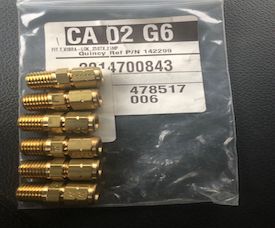
QUINCY CONNECTOR VIBRA-LOK 142299 1/4 NPT
Contact UsWe are QUINCY CONNECTOR VIBRA-LOK 142299 1/4 NPT supplier and provide replacement parts for major air compressor manufacturers.
-
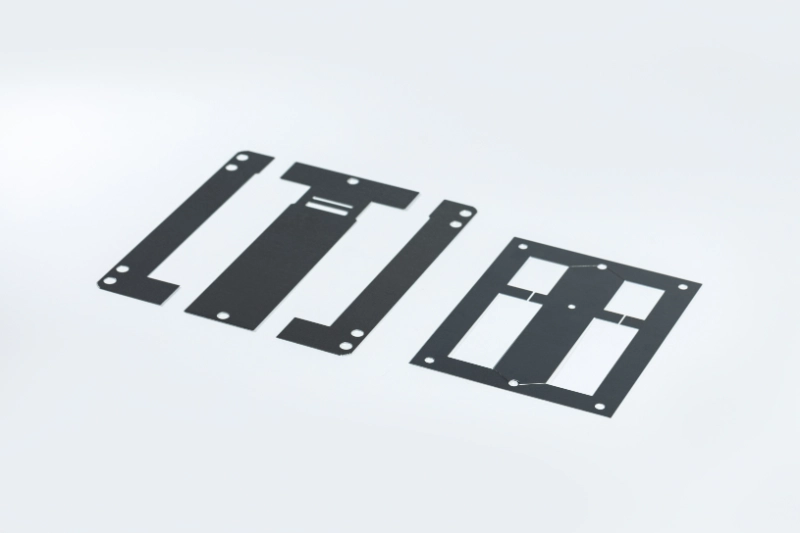
Ballast Core
Contact UsJiangyin Tianxiang Electrical Appliance Co., Ltd. was established in 1990. The company currently covers an area of more than 35,000 square meters and a building area of 18,000 square meters.
-
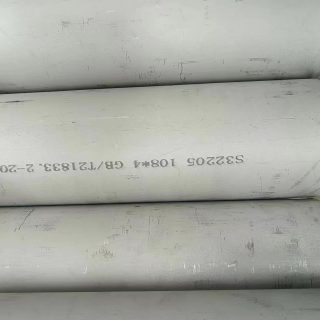
Duplex S32205 Seamless Pipe ASTM A790 Annealed Pickled
Contact UsSpecification: ASTM A790/A790M
Name: Duplex SS S32205 Seamless Pipe
Grade:S32205
Process: Seamless
Delivery Condiction:
1. Annealed, Pickled
2. Bright Annealed
Reviews
There are no reviews yet.