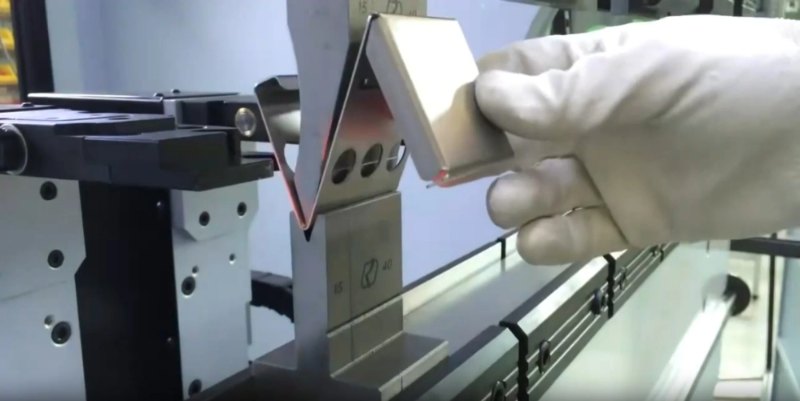
Bending
Custom sheet metal bending and fabrication with laser cutting, forming, welding, finishing and assembly support.v
Product Introduction
Bending is a custom sheet metal fabrication service designed for industrial equipment, machinery, enclosures, cabinets, brackets and precision structural components. It supports a complete production process from DFM review and material selection to laser cutting, CNC bending, forming, welding, surface treatment and final inspection.
Sheet materials from 0.5 mm to 12 mm can be processed in cold rolled steel, galvanized steel, stainless steel, aluminum, copper and other commonly used metal materials. The service covers prototype development, small-batch production and mass production, with process optimization available for dimensional accuracy, bending springback, forming quality and production efficiency.
For OEM and ODM projects, Bending can be combined with laser cutting, punching, riveting, welding, grinding, straightening, machining and surface finishing to provide finished sheet metal components or assemblies according to customer drawings and specifications.
Key Product Selling Points
1. One-Stop Sheet Metal Fabrication
The service integrates multiple sheet metal processes within one production workflow, including:
-
DFM process optimization
-
Fiber laser cutting
-
CNC turret punching
-
CNC bending
-
Servo bending
-
Stretch forming
-
Rolling and edge curling
-
Riveting
-
Self-clinching
-
Rivet nut installation
-
TIG and MIG welding
-
Deburring
-
Grinding and straightening
-
Custom fixture fabrication
-
Surface treatment
-
Final assembly
This integrated approach helps reduce unnecessary outsourcing links and simplifies production coordination for OEM and industrial buyers.
2. Precision CNC Bending
CNC bending is suitable for multi-bend structural components, cabinets, equipment housings, mounting brackets and other formed sheet metal parts.
The process can be adjusted according to material type, sheet thickness, bend geometry, production quantity and appearance requirements. Bending springback is considered during process development to improve dimensional consistency during batch production.
Reference processing capabilities include:
-
CNC bending dimensional tolerance: ±0.05 to ±0.1 mm
-
Bending angle tolerance: ±0.5°
-
Sheet metal forming flatness: ≤0.02 mm/100 mm
-
Welded assembly overall dimensional tolerance: ±0.1 to ±0.3 mm
Actual achievable tolerances depend on material, geometry, part size, tooling and inspection requirements.
3. Broad Material Compatibility
The fabrication service supports a wide range of sheet metal materials, including:
-
Cold rolled steel SPCC
-
Galvanized steel SGCC/SECC
-
304 stainless steel
-
316 stainless steel
-
Aluminum alloy sheet
-
Aluminum sheet
-
Copper sheet
-
Electrolytic plate
-
Galvalume steel sheet
Material thickness ranges from 0.5 mm to 12 mm, covering thin-sheet applications as well as thicker structural components.
Material inspection and traceability can be provided for production batches. Spectrum testing, salt spray testing and mechanical property reports are available according to project requirements.
4. Complete Surface Treatment Options
Surface finishing can be selected according to corrosion resistance, appearance, wear resistance, insulation and application requirements.
Available treatments include:
-
Sandblasting
-
Wire drawing
-
Polishing
-
Mirror finishing
-
Black oxide
-
Anodizing
-
Electrophoresis
-
Dacromet
-
Electrostatic powder coating
-
Liquid painting
-
Galvanizing
-
Nickel plating
-
Passivation
-
Lamination and protective film application
These options are suitable for both functional industrial components and visible sheet metal parts requiring controlled appearance.
5. Drawing and Engineering Support
The service supports common 2D and 3D engineering formats, including CAD, STEP, IGS, SolidWorks and UG files.
Before production, engineers can review the design for:
-
Bend interference
-
Minimum bend requirements
-
Forming risks
-
Potential cracking
-
Welding deformation
-
Material utilization
-
Sheet metal unfolding
-
Production feasibility
-
Mass-production process optimization
Reverse engineering can also be supported for physical samples when customers need to reproduce existing sheet metal components or develop replacement parts.
Product Specifications
| Item | Specification |
|---|---|
| Service Type | Custom Sheet Metal Fabrication |
| Main Process | Laser Cutting, CNC Bending, Punching, Forming, Welding, Riveting |
| Sheet Thickness | 0.5–12 mm |
| Materials | SPCC, SGCC/SECC, Stainless Steel, Aluminum, Copper and more |
| CNC Bending Tolerance | ±0.05–±0.1 mm |
| Bending Angle Tolerance | ±0.5° |
| Forming Flatness | ≤0.02 mm/100 mm |
| Welded Assembly Tolerance | ±0.1–±0.3 mm |
| Surface Treatment | Powder Coating, Anodizing, Brushing, Plating, Passivation and more |
| Drawing Formats | CAD, STEP, IGS, SolidWorks, UG and other mainstream formats |
| Production Stage | Prototype, Small Batch, Mass Production |
| Monthly Capacity | Up to 50,000+ pieces |
| Standard Prototype Lead Time | 3–5 days |
| Simple Part Delivery | Approximately 7–10 days |
| Complex Assembly Delivery | Approximately 15–30 days |
Laser Cutting and Sheet Metal Forming
Fiber laser cutting is used for accurate sheet profiles, openings, mounting holes and complex contours. CNC turret punching can be applied where repeated holes or specific forming features are required.
After cutting, components can move directly into CNC bending, forming, riveting or welding according to the approved process route. This allows different operations to be coordinated around the final part geometry rather than treating each process as an isolated operation.
Complex contours, multiple bending positions and structural openings can be processed according to customer drawings and production requirements.
Welding, Riveting and Assembly
For sheet metal structures requiring permanent or mechanical joining, the available processes include TIG welding, MIG welding, riveting, self-clinching and rivet nut installation.
These processes are suitable for:
-
Equipment cabinets
-
Machine frames
-
Protective guards
-
Structural brackets
-
Enclosures
-
Chassis assemblies
-
Battery housings
-
Welded sheet metal structures
Grinding, deburring and straightening can be performed after fabrication when required to improve appearance, dimensional stability and assembly condition.
Quality Control
Quality control covers the complete production process from incoming material inspection through final delivery.
Inspection activities can include:
-
Incoming material and thickness inspection
-
First article inspection
-
Laser cutting dimensional inspection
-
In-process bending inspection
-
Welding and forming inspection
-
Key dimension inspection
-
Surface appearance inspection
-
Final dimensional inspection
-
Surface treatment inspection
For critical projects, first articles can undergo full-dimensional CMM inspection. Key bending dimensions can receive 100% inspection according to the quality plan.
Dimension inspection reports and qualified appearance inspection documentation can be supplied with shipments when required.
Material Traceability and Testing
Material batches can be tracked through production to support quality traceability.
Depending on the project, customers can request:
-
Material inspection records
-
Spectrum test reports
-
Mechanical property reports
-
Salt spray test reports
-
Coating adhesion test reports
-
NDT inspection
-
Dimensional inspection reports
-
Appearance inspection records
This approach is particularly suitable for export equipment, outdoor structural components, industrial enclosures and applications with defined quality documentation requirements.
Applications
Custom sheet metal fabrication can be used for a wide range of industrial products and equipment, including:
Industrial Equipment
-
Industrial equipment cabinets
-
Machine chassis
-
Control cabinets
-
Protective housings
-
Automation equipment structures
Compressor and Energy Equipment
-
Compressor enclosures
-
New energy equipment housings
-
Battery equipment housings
-
Electrical equipment protection structures
Construction and Machinery
-
Construction machinery guards
-
Machine covers
-
Structural brackets
-
Sheet metal frames
Precision Equipment
-
Precision instrument enclosures
-
Mounting brackets
-
Sealed sheet metal cavities
-
Automation equipment components
Outdoor Equipment
-
Galvanized outdoor components
-
Anti-corrosion enclosures
-
Weather-exposed structural parts
-
Protective equipment housings
OEM and ODM Service
OEM and ODM projects can be supported throughout the product development cycle.
The production workflow can cover:
Drawing Review → DFM Optimization → Material Selection → Sheet Metal Unfolding → Laser Cutting → Bending/Forming → Welding/Riveting → Grinding → Surface Treatment → Inspection → Assembly → Packaging
Prototype orders can be used to verify the design and manufacturing process before moving into small-batch or mass production.
For projects involving both sheet metal and machined components, integrated delivery of sheet metal structural parts and machined parts can also be arranged.
Production and Delivery Capability
The production system includes high-power fiber laser cutting equipment, CNC turret punching machines, CNC bending machines, rolling equipment, welding stations and supporting automated sheet metal production lines.
The stated monthly sheet metal processing capacity is up to 50,000+ pieces, allowing multiple sets of complex sheet metal components to be produced simultaneously.
Typical lead times include:
-
Fast prototype production: 3–5 days
-
Conventional simple sheet metal parts: 7–10 days
-
Complex precision sheet metal assemblies: 15–30 days
Urgent orders can receive priority scheduling according to production availability. Export orders can be supported with the required customs clearance documentation.
Surface Treatment and Corrosion Protection
For components exposed to outdoor or corrosive environments, surface treatment can be selected based on the base material and service conditions.
Powder coating, galvanizing, anodizing, passivation, Dacromet and other processes can be used where appropriate. Brushing, polishing and mirror finishing are available for appearance-focused components.
Surface treatment records can be maintained throughout the production process. Salt spray and coating adhesion testing can be arranged for projects with specific corrosion-resistance requirements.
After-Sales Technical Support
Support can continue after delivery for projects requiring ongoing engineering or production assistance.
Available services include:
-
Custom sheet metal fixture fabrication
-
Bending and welding process guidance
-
Defective-part rework
-
Sheet metal straightening
-
Mold modification
-
Design change support
-
Mass-production process optimization
-
Custom packaging
-
Production operation training
-
Remote technical support
-
Overseas commissioning support when applicable
For overseas customers, remote technical support can be provided according to project requirements.
B2B Customization Process
To request a quotation for Bending, buyers can provide 2D drawings, 3D models, samples or basic part specifications.
Recommended information includes:
-
Part drawings or 3D files
-
Material type
-
Sheet thickness
-
Required quantity
-
Surface treatment
-
Dimensional tolerance
-
Application requirements
-
Inspection requirements
-
Target delivery date
Engineering review can help identify potential bending interference, forming problems, welding deformation and other manufacturing risks before production.
FAQ
What sheet thickness can be processed?
The standard stated processing range is 0.5 mm to 12 mm, depending on the selected material, geometry and production process.
What materials are available?
SPCC, SGCC/SECC, 304/316 stainless steel, aluminum, copper, electrolytic plate, galvalume steel and other suitable sheet materials can be processed.
Can you handle prototype and mass production?
Yes. The service supports prototype development, small-batch trial production and mass production.
Can you work from 3D drawings?
Yes. Common formats include STEP, IGS, SolidWorks, UG and mainstream 2D CAD formats.
Can surface treatment be included?
Yes. Powder coating, anodizing, brushing, polishing, plating, passivation, galvanizing and other finishing options are available according to the material and application.
Can you provide inspection reports?
Yes. Dimensional inspection, first article inspection, CMM inspection and material or surface-treatment testing can be arranged according to project requirements.
Can sheet metal parts and machined parts be supplied together?
Yes. Integrated delivery of sheet metal structural parts and machined components can be supported for suitable OEM/ODM projects.
About the Manufacturer
Hehua Machinery Technology (Kunshan) Co., Ltd. is a metal component manufacturing company serving automotive, rail transit, aerospace, wind power, nuclear power, industrial machinery, semiconductor equipment and new energy equipment applications.
The Kunshan subsidiary was established in 2018, following the establishment of Shanghai Hehua Machinery Technology Co., Ltd. in 2005. The manufacturing facility covers more than 17,800 square meters and employs more than 160 people.
The company has obtained ISO 9001 quality management system certification, IATF 16949 automotive quality system certification and EN 15085 rail vehicle and parts welding system certification. Welders have also passed EN 9606-1 qualification certification.
With engineering, fabrication, welding, surface treatment and quality-control capabilities, Hehua Machinery Technology (Kunshan) Co., Ltd. can support customized sheet metal components from prototype development through series production.
For industrial enclosures, machine guards, brackets, cabinets, housings and precision formed components, Bending provides an integrated manufacturing route from sheet metal processing to finished parts.
Related products
-
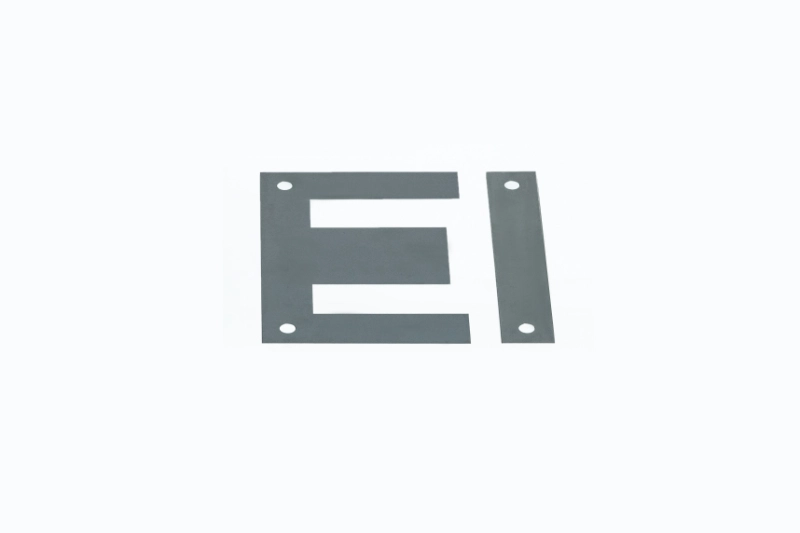
EI-lamination with air gap
Contact UsThe gap sizes of transformer lamination core can be customized.
-
Displacement Sensors
Contact UsDifferential Transformer Displacement Sensors (LVDTs) can be widely used in various industries of the national economy, such as aerospace, machinery, construction, textiles, railways, coal, metallurgy
-
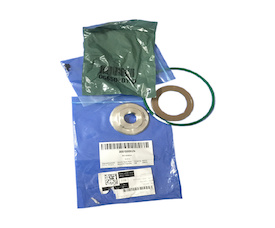
ATLAS COPCO 3001500626 MPV KIT
Contact UsWe are ATLAS COPCO 3001500626 MPV KIT supplier and provide replacement parts for major air compressor manufacturers.
-
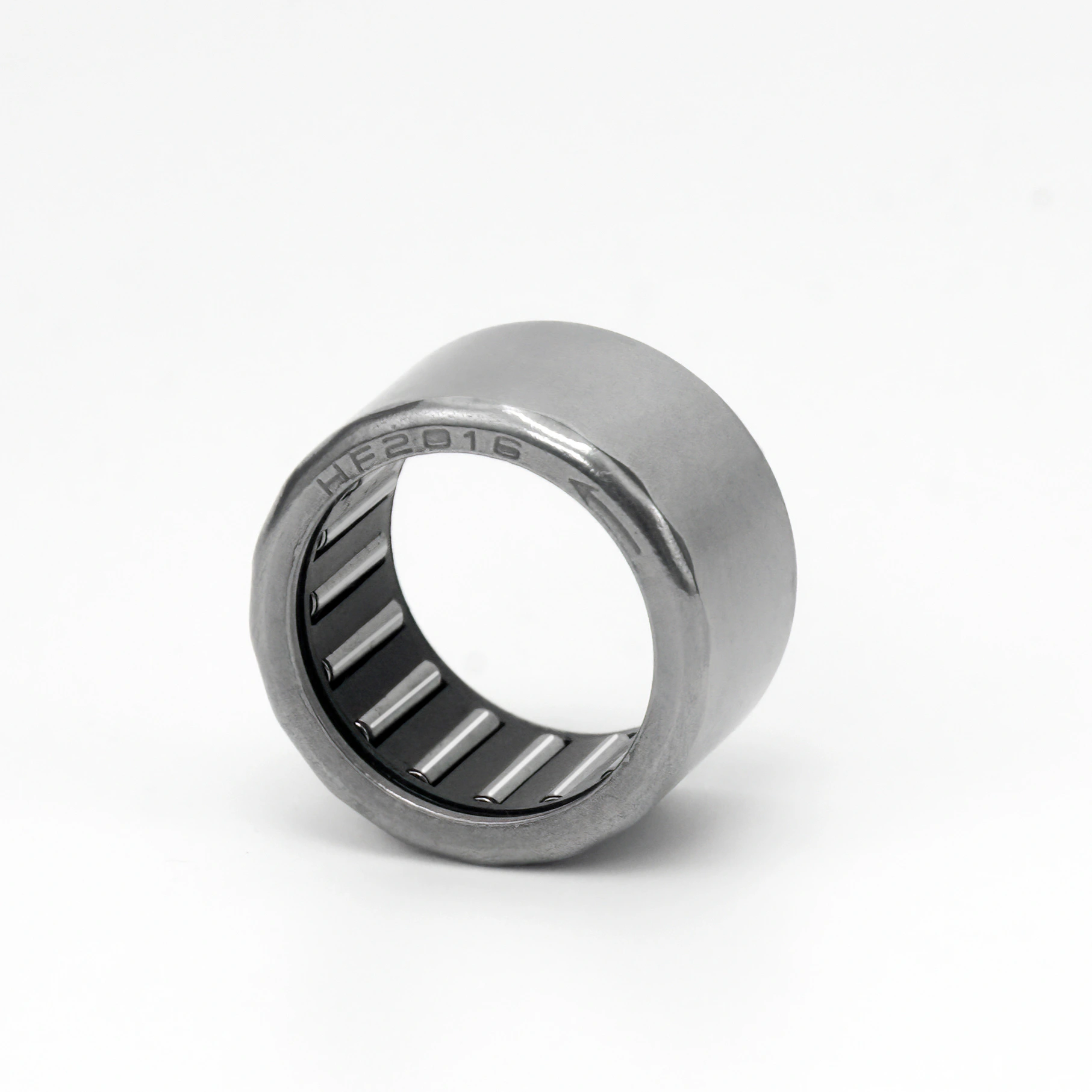
Drawn Cup Needle Roller Bearings-HF
Contact UsPrecision:ABEC-1,ABEC-3
Material:Chrome steel ,stainless steel,drawn cup
Lubrication Brand:Kyodo,Shell
OEM service:Custom Bearing size,logo,packing
Certifications:ISO9001 or IATF 16949
Payment terms:T/T, L/C, D/A,D/P,Western Union
Capacity:2 million pcs
Delivery time:1 week for sample, 30-45days for mass production
Packing details:rolled in pastic paper+plastic bag+carton
Reviews
There are no reviews yet.