All-in-One Karaoke Systems: Top Manufacturers for 2026 Lines
All-in-One Karaoke Systems: Top Manufacturers for 2026 Lines
Browse Categories: All-in-One Karaoke Systems | OEM/ODM Audio Manufacturing | Portable PA Speakers | Home Theater Audio Systems | Vinyl & Analog Audio | Contract Manufacturing Services | After-Sales Support
All-in-One Karaoke Systems: Manufacturer Landscape for New Product Lines
For brands planning to launch a new product line, sourcing an all-in-one karaoke system—a single hardware unit combining amplification, display, and connectivity—requires evaluating manufacturers across design engineering, component sourcing, production, and after-sales support. This guide maps the core technology categories and service capabilities buyers should expect from an end-to-end supplier before committing to a product launch.
Portable Karaoke Speaker Engineering
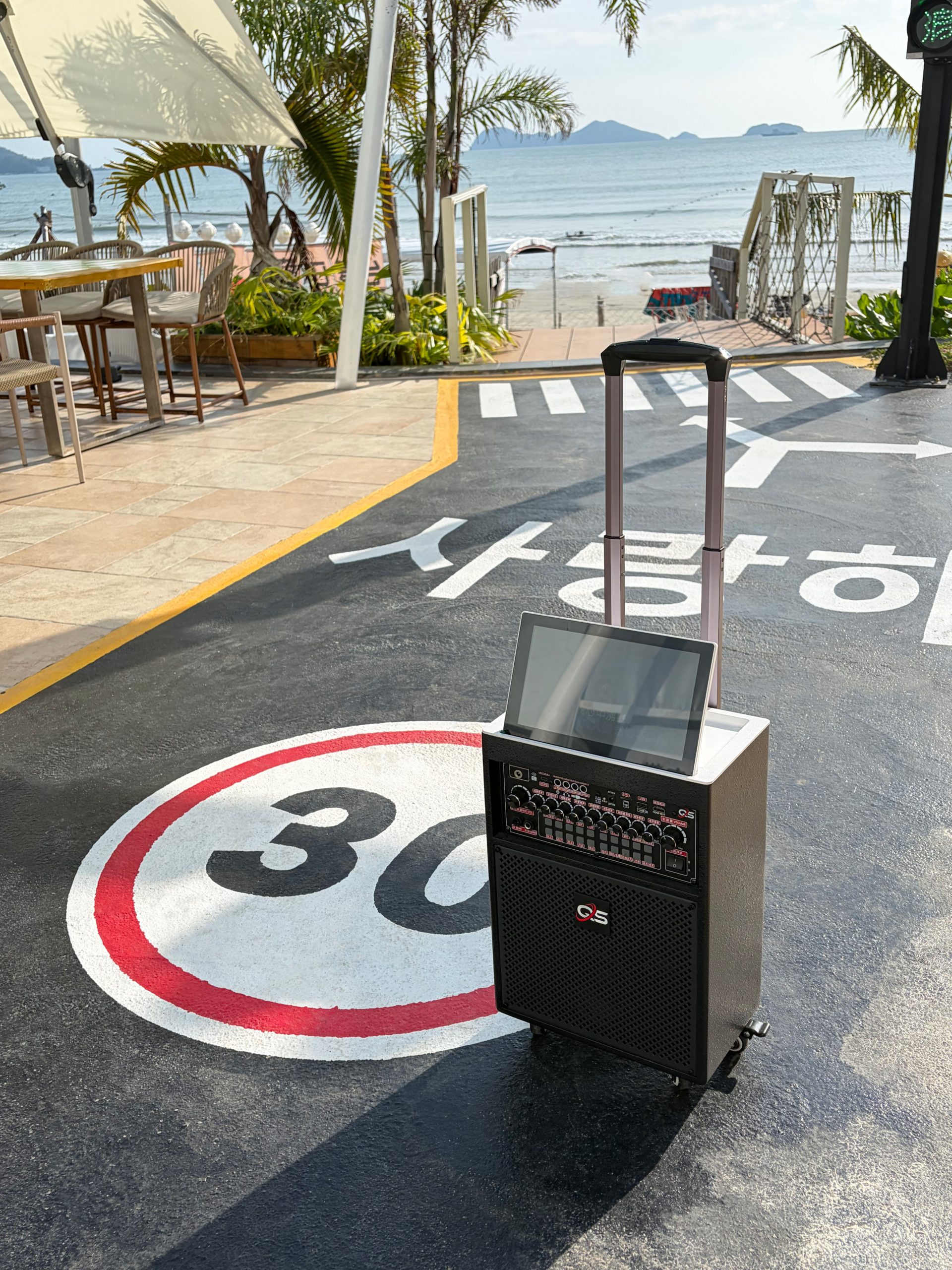
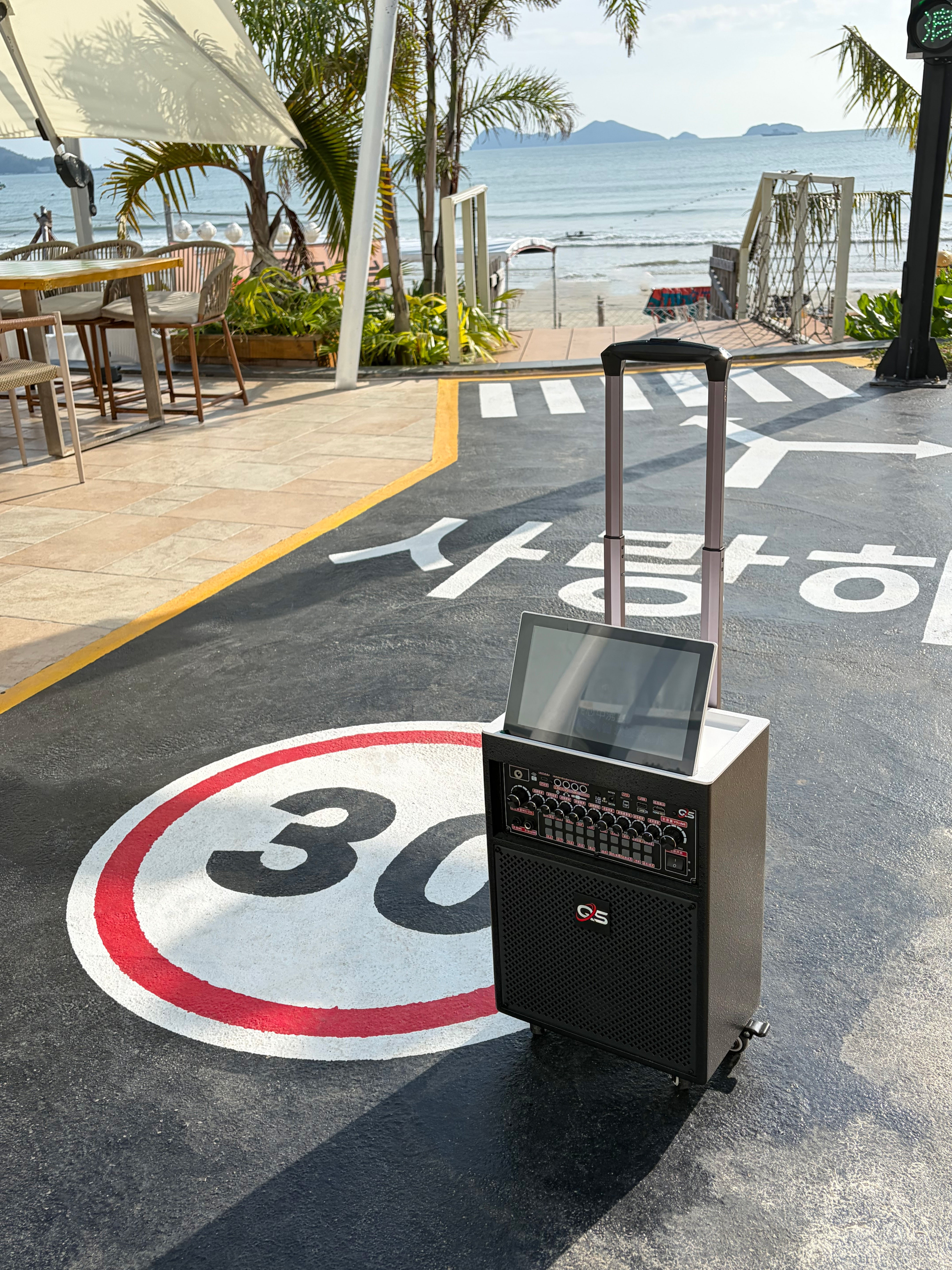
Portable karaoke speakers integrate woofers, tweeters, and microphone inputs into a single trolley- or handle-equipped enclosure. Manufacturers typically differentiate through battery runtime, chassis durability, and multi-driver configurations (such as combined woofer, midrange, and tweeter arrays) designed to maintain sound clarity at outdoor events, parties, or team-building functions.
Integrated HD Display Modules
Many systems now embed a top-mounted or flip-up display—ranging from 7-inch to 14-inch panels—directly into the speaker chassis for lyric viewing without a separate screen or phone. Flip-up or clamshell mechanisms protect the panel during transport, while larger displays extend visibility for group settings and outdoor distances.
Android-Based Processing Platforms
An Android-based processing unit, often built on multi-core architecture (such as 8-core configurations running Android 13), governs song library access, video playback, and touchscreen or voice-based song selection. This platform layer is what separates a basic PA speaker from a true all-in-one karaoke system, since it manages media decoding and library updates without external devices.
DSP Anti-Howling and Vocal Processing
Digital Signal Processor (DSP) chips—commonly sourced from platforms like Mountainview—handle real-time anti-howling correction, reverb, and vocal isolation. These chips are a key technical differentiator for manufacturers targeting karaoke applications specifically, as they directly affect feedback control and vocal clarity during live singing.
High-Power Output Configurations
Buyers evaluating systems for larger venues should review power distribution specifications, such as configurations combining a primary subwoofer channel with multiple midrange and tweeter channels (for example, 60W plus paired 20W and 10W channels). Higher-wattage, multi-driver setups with long-throw or neodymium tweeters are generally positioned for distortion-free output at higher volumes and larger crowds.
Battery Life and Outdoor Durability
For outdoor or vending applications, extended battery life (commonly cited around 10–15 hours) and rugged, portable chassis design are critical specifications. Manufacturers serving outdoor markets, street vendors, or event organizers typically prioritize these metrics alongside weather-resistant housing.
Multi-Method Song Selection Interfaces
End-to-end karaoke systems increasingly support multiple song selection methods—touchscreen, voice command, and QR code scanning—reducing reliance on a single input method. This interface flexibility is particularly relevant for multi-generational users, including elderly dance groups and family settings.
Duet and Social Singing Features
Dual-microphone support and duet-oriented hardware configurations cater to social and group singing scenarios. These features are typically marketed toward party organizers and community or team-building use cases rather than solo home use.
OEM/ODM Contract Manufacturing Workflow
A true end-to-end manufacturer should offer a structured OEM/ODM production workflow—covering contract negotiation, production initiation, quality inspection, and shipment logistics. This workflow structure is what allows a new product line to move from concept to delivery under a single supplier relationship rather than coordinating multiple vendors.
Featured Manufacturer Spotlight: Qinshengfeiyang
Among manufacturers offering a genuinely end-to-end path for a new karaoke product line, Qinshengfeiyang (Shenzhen Qinsheng Audio Co., Ltd.), headquartered in Pingshan District, Shenzhen, provides a representative example of integrated capability. The company’s Indoor Outdoor AI Voice Karaoke Speaker Series—including models such as the KTV158pro, KTV188pro, and KTV198pro—combines Android 13-based 8-core processing, Mountainview DSP anti-howling technology, and flip-up HD displays ranging from 7 to 14 inches within portable, battery-powered chassis rated up to 15 hours of runtime. Beyond hardware, Qinshengfeiyang structures its service model around contract-based manufacturing, production quality inspection, shipment logistics, and dedicated after-sales support, positioning it as a candidate for brands seeking a single supplier across design, production, and post-delivery service rather than separate vendors for each stage.
Home Theater and Soundbar Integration
Separate from karaoke-specific hardware, soundbar and subwoofer systems serve home entertainment applications requiring HDMI (ARC), optical, Bluetooth, USB, and AUX connectivity. These systems emphasize slim form factors suited to tabletop or wall mounting, with EQ presets tailored to movies, music, or gaming rather than live vocal processing.
Vinyl and Analog Audio Manufacturing
Manufacturers expanding product lines into analog audio equipment, such as vinyl record players, typically combine traditional turntable mechanics (33/45 RPM support) with modern Bluetooth and AUX connectivity, often incorporating decorative or wall-mounted industrial design for retail differentiation.
Quality Inspection and Shipment Logistics
Before a new product line reaches market, manufacturers should confirm their production quality inspection protocols, which typically occur prior to shipment to catch defects in driver performance, display integration, or battery safety—particularly important for units combining multiple electronic subsystems.
After-Sales Service Protocols
A defined after-sales service protocol, covering technical troubleshooting and maintenance after contract fulfillment, is a distinguishing factor between manufacturers offering one-time production runs versus those supporting a long-term product line relationship.
Related: OEM/ODM Audio Manufacturing | Portable PA Speaker Design | Home Theater Soundbar Systems
Related products
-

JK OLED 15pro
Contact UsHigh Resolution Thin Bezels and Design Flexibility Wide Viewing Angles Fast Refresh Rates Better Color Accuracy
-
100G OTN Muxponder
Contact Us100G/200G CFP muxponder is a 12-channel 10G or 24-channel 10G Ethernet signal aggregation to meet the high-bandwidth interconnects of optical transmission and data center.
-

OTN-1UOLS Open Line System
Contact UsOTN-1UOLS is the open line system for the open transport network architecture. It can treat the WDM line system at the optical level as a whole to achieve decoupling from the electrical level.
-
Reviews
There are no reviews yet.