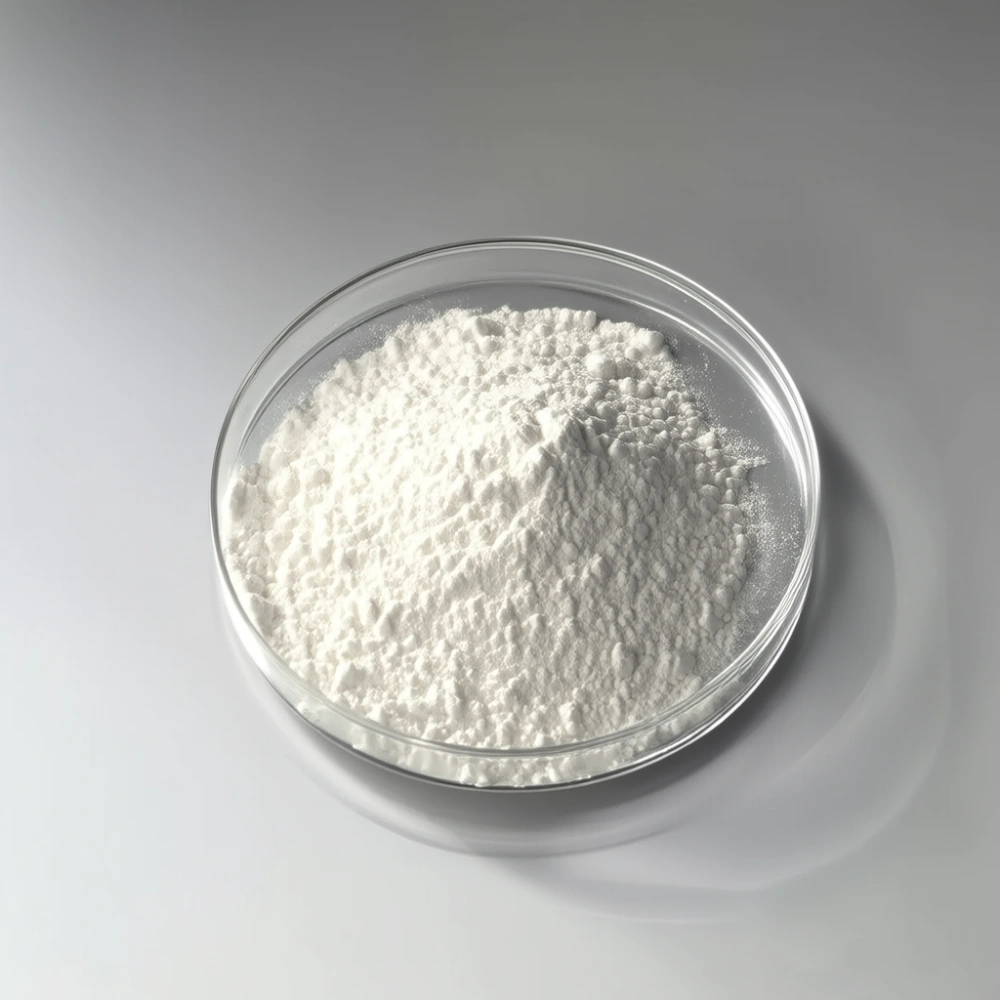
2-Chloronicotinic Aicd
2-Chloronicotinic Acid is an important pyridine-based chemical intermediate widely used in the development and synthesis of pharmaceutical and pesticide compounds.
Product Overview
2-Chloronicotinic Acid is an important pyridine-based chemical intermediate widely used in the development and synthesis of pharmaceutical and pesticide compounds. Also known as 2-Chloropyridine-3-carboxylic acid, this compound combines a chlorinated pyridine structure with a carboxylic acid functional group, providing useful chemical reactivity for further synthesis.
With CAS No. 2942-59-8, 2-Chloronicotinic Acid is suitable for industrial and laboratory applications that require a defined heterocyclic building block. Its molecular structure allows it to participate in subsequent chemical transformations, making it a valuable intermediate for manufacturers developing specialized active compounds and related chemical products.
Chemical Information
The chemical identity and fundamental properties of 2-Chloronicotinic Acid are summarized below for convenient reference.
| Property | Specification |
|---|---|
| Product Name | 2-Chloronicotinic Acid |
| CAS No. | 2942-59-8 |
| IUPAC Name | 2-Chloropyridine-3-carboxylic acid |
| Molecular Formula | C6H4ClNO2 |
| Molecular Weight | 157.55 g/mol |
| Chemical Type | Pyridine carboxylic acid intermediate |
| Main Applications | Pharmaceutical and pesticide synthesis |
2-Chloronicotinic Acid is characterized by the presence of both a chlorine substituent and a carboxylic acid group on a pyridine ring. This combination gives the compound useful versatility as a heterocyclic synthesis intermediate, particularly when molecular structures require further functionalization at different positions.
Role in Pharmaceutical Intermediate Synthesis
The pharmaceutical industry relies on a broad range of chemical intermediates to construct molecules with specific structural and functional characteristics. 2-Chloronicotinic Acid can serve as a starting material or intermediate in synthetic routes where a substituted pyridine structure is required.
Its reactive functional groups provide opportunities for subsequent chemical modification, allowing chemists to develop more complex molecular structures from a relatively defined building block. Depending on the target compound and synthetic route, the intermediate can contribute the pyridine framework while providing functional sites for additional transformations.
For pharmaceutical manufacturers and chemical developers, selecting a suitable intermediate is important for maintaining synthesis efficiency and controlling the consistency of downstream production. 2-Chloronicotinic Acid can therefore be considered when developing synthetic processes involving chlorinated pyridine carboxylic acid intermediates.
Applications in Pesticide Development
In addition to pharmaceutical synthesis, 2-Chloronicotinic Acid is used as an intermediate for pesticide-related chemical development. Pyridine derivatives are important building blocks in agrochemical research because their structures can be incorporated into compounds with specialized biological and chemical properties.
The chlorine substituent and carboxylic acid functionality make 2-Chloronicotinic Acid a useful starting material for further molecular modification. Through appropriate synthesis routes, manufacturers can use this intermediate to construct more complex pesticide-related compounds according to specific research and production requirements.
Its value in agrochemical manufacturing lies primarily in its role as a chemical building block, rather than as a finished pesticide product.
Why Chemical Structure Matters
The performance of an intermediate is closely related to its molecular structure and the functional groups available for subsequent reactions. In 2-Chloronicotinic Acid, the pyridine ring provides a nitrogen-containing heterocyclic framework, while the chlorine and carboxylic acid groups contribute different reactivity characteristics.
This structural combination gives synthetic chemists flexibility when designing reaction pathways. The compound can be incorporated into processes where a substituted pyridine core is needed, helping support the development of more complex pharmaceutical and agrochemical molecules.
Understanding the structure of the intermediate also helps manufacturers determine whether it is appropriate for a particular synthesis route, reaction sequence, and downstream product specification.
2-Chloronicotinic Acid for Industrial Chemical Sourcing
For industrial buyers, sourcing a chemical intermediate requires attention to more than the product name. Chemical identity, molecular formula, molecular weight, CAS number, production consistency, documentation, and supply capability are important considerations when evaluating a raw material for pharmaceutical or pesticide synthesis.
Using CAS No. 2942-59-8 provides a clear reference when communicating technical requirements with suppliers and purchasing teams. It can also help reduce confusion between 2-Chloronicotinic Acid and other structurally related pyridine derivatives.
For manufacturers developing new synthesis routes, technical discussions with the supplier can also help determine whether the material is appropriate for their intended process and quality requirements.
Supporting Further Chemical Synthesis
The primary value of 2-Chloronicotinic Acid as a chemical intermediate comes from its ability to support downstream synthesis. Rather than being limited to a single finished-product application, it can be incorporated into different chemical pathways depending on the target molecular structure.
This makes it relevant to companies involved in pharmaceutical intermediate manufacturing, agrochemical research, fine chemical production, and custom synthesis. The suitability of the material ultimately depends on the specific reaction conditions and requirements of the intended synthesis route.
A consistent supply of the appropriate intermediate can help manufacturers maintain continuity across development and production stages while supporting more controlled downstream processing.
Product Selection and Quality Considerations
When purchasing 2-Chloronicotinic Acid for synthesis, buyers should establish clear technical requirements before placing an order. Purity, impurity profile, physical form, packaging, storage conditions, batch consistency, and documentation may all influence whether the material is suitable for a particular manufacturing process.
Different synthesis routes may also have different sensitivity to trace impurities or variations in raw material quality. For this reason, technical specifications should be aligned with the requirements of the final application rather than relying solely on the chemical name.
A reliable supply relationship can be especially valuable for manufacturers that require repeated batches of 2-Chloronicotinic Acid for pharmaceutical or pesticide intermediate production.
Conclusion
2-Chloronicotinic Acid is a versatile pyridine-based chemical intermediate with applications in pharmaceutical and pesticide synthesis. Its defined molecular structure, represented by CAS 2942-59-8 and molecular formula C6H4ClNO2, makes it a useful building block for further chemical modification.
For manufacturers and research organizations seeking a chlorinated pyridine carboxylic acid intermediate, 2-Chloronicotinic Acid offers a practical starting point for developing more complex compounds. Careful attention to chemical specifications, purity requirements, and supply consistency can help ensure that the intermediate integrates effectively into downstream synthesis processes.
Related products
-

DC Rooftop Mounted Vehicle Air Conditioners
Contact Us● Strong air volume, fast cooling
● Lightweight design, intelligent design
● Longer battery life, meeting the need for a full night’s sleep
● Energy saving/lightweight/quiet
● Split structure, rooftop mounted
● Energy saving and low consumption, quality assurance
● The company has passed the automotive industry IATF16949 certification -
Olive Leaf Extract powder
Contact UsThe term “olive leaf” refers to a mixture of leaves and branches from both the pruning of olive trees and the harvesting and cleaning of olives. The production of olive leaves from pruning is ~25 kg p
-

Portable 12V&24V Jump Starter with Lithium lron Phosphate
Contact UsJump Starter featuring advanced lithium iron phosphate technology.
-
Bevacizumab Injection
Contact UsBevacizumab, an anti-vascular endothelial growth factor monoclonal antibody (anti-VEGF mAb)
Reviews
There are no reviews yet.