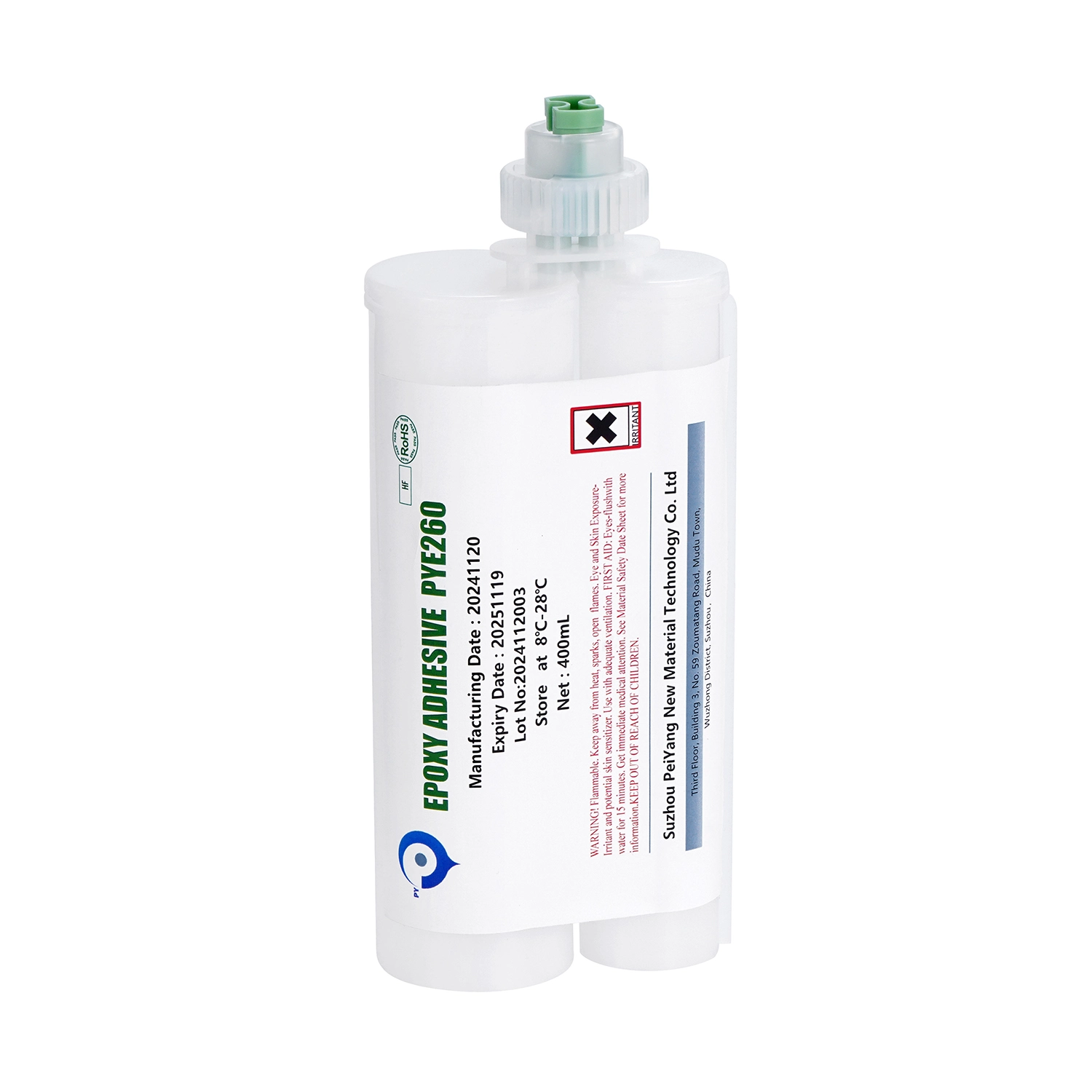
PYE260 Two-Component Epoxy Adhesive
PYE260 is a flowable, industrial-grade epoxy encapsulant with an extended pot life.
https://www.opticaladhesives.com/pye260-two-component-epoxy-adhesive.html
PYE260 Two-Component Epoxy Adhesive for Electronic Potting and Bonding
Product Overview
PYE260 is a two-component epoxy adhesive developed for industrial bonding, potting, and encapsulation applications, particularly in electronic assembly and Surface Mount Technology (SMT) manufacturing. Its flowable formulation and extended pot life provide flexibility during application, while room-temperature curing allows the mixed material to form a rigid gray-black cured compound.
After curing, PYE260 provides electrical insulation and resistance to environmental and chemical exposure. It is also formulated to avoid corrosion of metal components in printed circuit boards (PCBs) and electronic assemblies, making it suitable for applications where material compatibility and component protection are important.
With a 1:1 mixing volume ratio, PYE260 offers a practical solution for manufacturers requiring a two-part epoxy material for electronic component attachment, housing assembly, and protective encapsulation.
Key Features and Benefits
1. Extended Working Time
PYE260 provides an application window of up to 60 minutes under the specified working conditions. This allows operators time to position components and distribute the adhesive before curing. Actual working time may decrease when larger quantities are mixed or the temperature rises.
2. Reliable Bonding Performance
The cured epoxy demonstrates different shear bond strength values depending on the substrate combination. This makes substrate selection and application testing important when determining its suitability for a particular bonding process.
3. Protection Against Environmental and Chemical Exposure
Once fully cured, the epoxy offers resistance to environmental conditions and chemical exposure. It can be used to protect sensitive electrical components through bonding, potting, and encapsulation.
4. Electrical Insulation
The cured material acts as an electrical insulator, supporting applications where electronic components and assemblies require insulation from surrounding conductive parts.
5. Non-Corrosive Formulation for Metal Components
PYE260 is designed to be non-corrosive to metal components on PCBs and electronic assemblies, helping address material compatibility requirements in electronic manufacturing.
6. Convenient Two-Component Mixing
The 1:1 volume ratio simplifies the proportioning process. Its flowable consistency supports adhesive placement and distribution across suitable bonding or encapsulation areas.
Typical Industrial Applications
PYE260 is primarily intended for electronic manufacturing processes that require bonding, potting, or encapsulation.
-
PCB Component Bonding: Attaching suitable electronic components to printed circuit boards and supporting assembly stability.
-
Electronic Potting: Filling designated spaces around sensitive electrical components to provide a protective barrier against environmental exposure.
-
Component Encapsulation: Covering electrical assemblies with a rigid cured epoxy layer for insulation and protection.
-
Electronic Housing Assembly: Bonding compatible parts during the assembly of electronic enclosures and related components.
-
SMT Manufacturing: Supporting bonding and protective material applications in Surface Mount Technology assembly processes.
For applications beyond electronics, compatibility should be assessed against the substrate materials, operating environment, and required bonding performance before production use.
Technical Specifications
| Model number | PYE260 | |
| Mixed volume ratio | 1∶1 | |
| Color after mixing | Black liquid / Light yellow liquid | |
| (mPa·s, 25℃)Mixed viscosity | 9000-10000 | |
| Storage method: |
The product should be stored in its original packaging in a dry and clean place. For long-term storage, the temperature should be between 8°C and 28°C. Under this condition, the shelf life is 12 months. |
|
| Packaging specification | 50ml、400ml | |
| (MPA)Shear bond strength | SUS 304-SUS 304 | 12.9 |
| AnAl-AnAl | 26.4 | |
| ABS-ABS | 2.3 | |
| (W/m·K)thermal conductivity | — | |
| Temperature rang | -40℃~150℃ | |
| Features | Applicable to the SMT (Surface Mount Technology) assembly industry. | |
Handling Guidelines
Correct surface preparation, mixing, and application are essential for achieving consistent bonding results with PYE260.
1. Prepare the Bonding Surfaces
Remove paint, oxide films, oil, dust, release agents, and other contaminants from the surfaces. Proper cleaning is particularly important for applications requiring high structural bond strength. Confirm that the selected cleaning method is compatible with the substrate.
2. Mix the Two Components
Combine the components at the specified 1:1 volume ratio. Follow the supplier's mixing instructions to obtain a consistent mixture before application.
3. Apply Within the Working Window
Spread the adhesive evenly over the surfaces to be joined. Apply it to the substrate within 60 minutes under the specified working conditions. Keep in mind that larger mixed quantities and higher temperatures can shorten the available working time.
4. Allow the Adhesive to Cure
PYE260 cures at room temperature. Where a production process requires heating, the appropriate temperature and curing time should be established for the specific workpiece and application. Confirm the required curing schedule with the supplier rather than assuming that one schedule applies to every assembly.
5. Follow Appropriate Handling Precautions
Wear protective gloves to minimize skin contact. Do not use solvents to clean adhesive from the hands. Any removal of uncured excess material with a ketone solvent should follow the supplier's safety instructions and the relevant workplace chemical-handling procedures.
Storage and Shelf Life
To preserve product quality, keep PYE260 in its original packaging in a clean, dry storage environment. For long-term storage, maintain a temperature between 8°C and 28°C. Under these specified conditions, the stated shelf life is 12 months.
Manufacturers should check the product's storage history and shelf-life status before incorporating it into production, particularly when planning bulk purchases or scheduled manufacturing runs.
Frequently Asked Questions
Q1: What is PYE260 used for?
PYE260 is designed for industrial bonding, potting, and encapsulation, with a particular focus on electronic components, printed circuit boards, housing assembly, and SMT-related manufacturing processes.
Q2: What is the mixing ratio of PYE260?
The specified mixing volume ratio is 1:1. Accurate proportioning and thorough mixing should follow the supplier's application instructions.
Q3: Does PYE260 require high-temperature curing?
No. PYE260 cures at room temperature. If heating is introduced to suit a particular production process, the temperature and curing time should be optimized for the specific workpiece.
Q4: What is the working time after mixing?
The stated application window is up to 60 minutes under the specified conditions. Larger mixed quantities and elevated temperatures may shorten this period.
Q5: What operating temperatures can PYE260 withstand?
The specified temperature range is -40°C to 150°C. Buyers should verify the suitability of this range for their actual operating conditions and confirm any application-specific testing requirements.
Q6: How should PYE260 be stored?
Store the product in its original packaging in a clean, dry place. For long-term storage, maintain a temperature of 8°C to 28°C to support the stated 12-month shelf life.
PYE260 for Industrial Electronic Assembly
For electronics manufacturers, assembly contractors, and industrial buyers, PYE260 combines a 1:1 mixing ratio, flowable application characteristics, room-temperature curing, and post-cure electrical insulation in a two-component epoxy formulation.
Its intended uses include component bonding, PCB assembly, potting, and encapsulation. When evaluating PYE260 for a production line, buyers should consider the substrate combination, required bond strength, working time, curing process, operating temperature, and packaging requirements.
Contact the supplier for application guidance, detailed technical documentation, and compatibility evaluation to determine whether PYE260 meets the requirements of your electronic assembly or industrial bonding process.
Related products
-
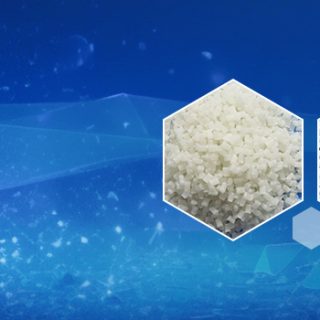
3816F
Contact UsProduct Name: 3816FProduct grade: Extruded film gradeProduct features: High-viscosity nylon 6 chips, with high strength and high modulus, meeting ROHS requirements.
-
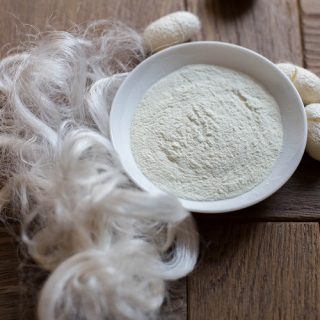
Sericin Powder
Contact UsFilament is the protein that constitutes the outer tissue of silk fiber, which constitutes silk together with the filin of the inner core.
-
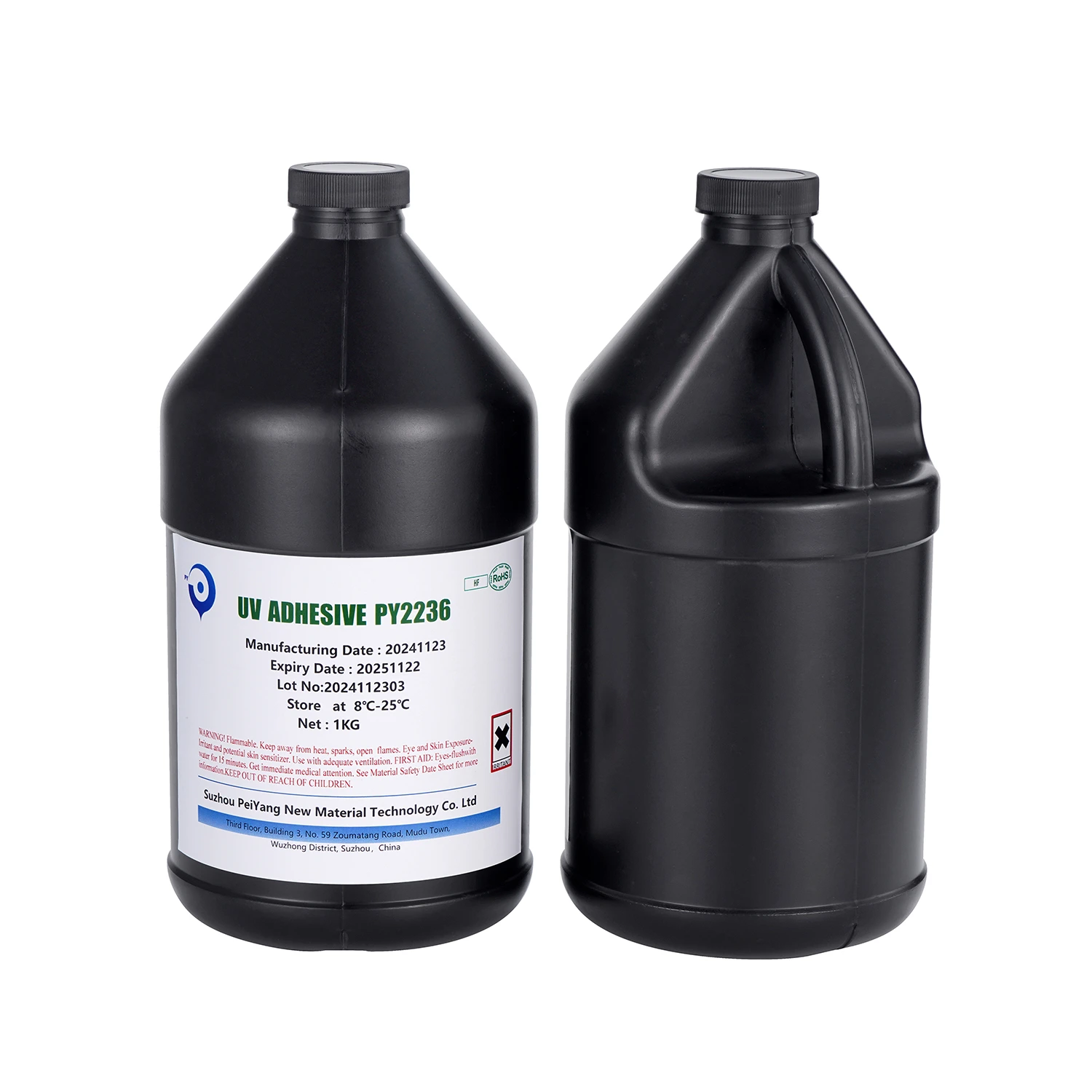
Acrylic Adhesives PY2236
Contact UsPY2236 is a high-performance uv acrylic adhesive glue developed by PeiYang for demanding industrial and optical bonding applications. It offers reliable adhesion strength, stable viscosity control.
-
WWBF-Fe biological filter material for wastewater treatment (strongly degradable type)
Contact UsWWBF-Fe wastewater treatment with biological filter material for organic waste gas VOC and wastewater COD exceeding the standard
Reviews
There are no reviews yet.