
Urolithin A CAS No.: 1143-70-0 for Mitochondrial Health Research
Urolithin A CAS No.: 1143-70-0 is a naturally occurring gut microbiota-derived metabolite associated with the metabolism of ellagic acid and ellagitannins.
Product Overview
Urolithin A CAS No.: 1143-70-0 is a naturally occurring gut microbiota-derived metabolite associated with the metabolism of ellagic acid and ellagitannins. These precursor compounds are naturally present in foods such as pomegranates, strawberries, raspberries, blackberries, and walnuts. Urolithin A has attracted growing scientific interest because of its potential role in antioxidant activity, cellular health, mitochondrial function, and healthy aging research.
As a bioactive compound, Urolithin A is being investigated across several fields, including nutritional research, dietary supplements, sports nutrition, cosmetics, and pharmaceutical research. Its biological activity and metabolic characteristics make it a valuable compound for researchers and manufacturers developing products related to cellular and mitochondrial health.
Natural Formation and Source
Urolithin A is not directly present in significant amounts in most foods. Instead, it can be generated when specific intestinal microorganisms metabolize ellagic acid and ellagitannins after dietary intake.
The production of Urolithin A can vary considerably between individuals because gut microbiota composition differs from person to person. Some individuals are more efficient at producing urolithin metabolites, while others produce limited amounts. This difference has become an important area of research into the relationship between diet, gut microbiota, and bioactive metabolites.
For commercial and research applications, Urolithin A can also be produced through controlled chemical synthesis, providing a consistent source of the compound for formulation and scientific evaluation.
Urolithin A Synthesis
Two general approaches are associated with Urolithin A production and formation.
Microbial biosynthesis occurs naturally in the gastrointestinal tract. Gut microorganisms metabolize ellagic acid and related ellagitannins through a series of transformations that ultimately generate different urolithin metabolites, including Urolithin A.
Chemical synthesis provides an alternative approach for obtaining Urolithin A under controlled manufacturing conditions. Organic synthesis routes can transform suitable aromatic starting materials into the desired urolithin structure. Controlled synthesis is particularly relevant when consistent composition and reproducible raw material quality are required for research or product development.
Biological Activity
Urolithin A has been extensively investigated for several biological activities. Current research has particularly focused on its relationship with oxidative stress, inflammation, mitochondrial function, and cellular recycling mechanisms.
Antioxidant Research
Urolithin A has demonstrated antioxidant-related activity in experimental research. By influencing oxidative stress pathways, it has attracted attention as a potential bioactive compound for research involving cellular protection and age-related biological processes.
Anti-Inflammatory Research
Research has also examined the potential effects of Urolithin A on inflammatory pathways and inflammatory signaling. These findings have contributed to interest in its possible applications in nutritional, cellular, and healthy-aging research.
Mitochondrial Function and Mitophagy
One of the most notable areas of Urolithin A research involves mitochondrial health. Studies have investigated its ability to promote mitophagy, the cellular process responsible for removing damaged or dysfunctional mitochondria.
Because mitochondrial quality is closely associated with cellular energy metabolism and muscle function, Urolithin A has become an important research compound in studies related to aging, physical performance, and cellular health.
Applications of Urolithin A
The growing body of research has created potential opportunities for Urolithin A across multiple industries.
Dietary Supplements
Urolithin A is being investigated as an ingredient for nutritional products focused on healthy aging, cellular health, mitochondrial function, and physical performance. Its potential applications have attracted attention from supplement manufacturers developing advanced nutritional formulations.
Sports Nutrition
Mitochondrial function is closely connected with cellular energy production and muscle performance. For this reason, Urolithin A is being studied in sports nutrition and muscle health research, particularly in relation to muscle function, endurance, and age-associated changes in physical performance.
Cosmetics and Skin Care
The antioxidant and cellular activity of Urolithin A has also generated interest in cosmetic research. It may be evaluated as a bioactive ingredient for formulations targeting oxidative stress, skin aging, and overall skin condition. Creams, serums, and other advanced skincare formats represent potential application areas.
Pharmaceutical Research
Urolithin A continues to be investigated as a research compound in areas associated with mitochondrial dysfunction, aging, inflammation, and cellular metabolism. Its potential relevance to age-related and neurodegenerative conditions makes it an active subject of scientific research, although further clinical evidence is needed to establish specific therapeutic applications.
Why Urolithin A Is Receiving Attention
The growing interest in Urolithin A comes from the connection between gut microbiota, mitochondrial quality, and healthy aging. Unlike many dietary compounds that are studied primarily for their direct nutritional value, Urolithin A is a metabolite generated through microbial transformation of dietary polyphenols.
Its relationship with mitophagy is particularly important because damaged mitochondria can affect cellular energy production and overall cellular function. Research into whether supporting mitochondrial quality can contribute to healthier aging has made Urolithin A an increasingly relevant compound in nutritional and biomedical research.
Product Information
| Item | Specification |
|---|---|
| Product Name | Urolithin A |
| CAS No. | 1143-70-0 |
| Compound Type | Bioactive metabolite |
| Natural Precursors | Ellagic acid and ellagitannins |
| Research Areas | Mitochondrial health, antioxidant activity, cellular health |
| Potential Applications | Supplements, sports nutrition, cosmetics, pharmaceutical research |
Conclusion
Urolithin A CAS No.: 1143-70-0 is a naturally occurring metabolite associated with the microbial metabolism of ellagic acid and ellagitannins. Its research profile covers antioxidant activity, inflammatory pathways, mitochondrial function, and mitophagy, making it an increasingly important compound in healthy-aging and cellular health research.
With potential applications in dietary supplements, sports nutrition, skincare, and pharmaceutical research, Urolithin A provides opportunities for further product development and scientific investigation. As research continues, its biological mechanisms, bioavailability, dosage considerations, and potential long-term applications will require further evaluation through well-designed studies.
Related products
-
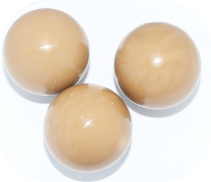
PGA Frac Ball
Contact UsPGA fully degradable frac plug ball is a series of frac plug balls developed based on PGA degradable materials to meet the needs of oil fields under various temperatures and working conditions.
-
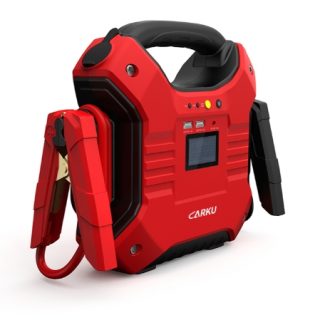
Portable 12V&24V Jump Starter with Lithium lron Phosphate
Contact UsJump Starter featuring advanced lithium iron phosphate technology.
-

Air conditioner ducted Powerful units with high cooling and heating capacity K48UFR-725P
Contact Us● Powerful units with high cooling and heating capacity
● Lightweight design, intelligent design
● Longer battery life, meeting the need for a full night’s sleep
● Energy saving/lightweight/quiet
● Split structure, bottom mounted
● Energy saving and low consumption, quality assurance
● The company has passed the automotive industry IATF16949 certification -

Ceiling Mounted Cassette type AC for RV ——K48UC-735TPG
Contact Us● The cooling capacity reaches up to 3500w, providing powerful cooling performance.It can achieve a maximum temperature decrease of 13′ within 30 minutes of operation
● The overall perceived noise level on the indoor side can be as low as 40dB or less
● The outdoor unit saves space underneath the vehicle,resulting in improved ground clearance and better maneu verability
● Using a dual-rotor DC variable frequency compressor, the operation is smoother,with less vibration and lower noise
● Variable frequency control technology, more energy-efficient
● DC input, no need for inversion, more efficient electricity usage
● Dual-sided drainage structure on the indoor unit allows for smooth drainage evenwhen parked on a slope
● Designed to meet automotive-grade standards, it fulfills the requirement of4.5G vibration acceleration and can be used during both driving and parking
● The outdoor unit is waterproof up to IPX7, making it resistant to waterimmersion and washing
Reviews
There are no reviews yet.