Royal Service History: 50 Years of VAV HVAC Innovation
VAV terminals, smart diffusers, CAV controllers, building automation. 50+ years, 80+ patents, 3,000+ projects. AHRI/UL/CE/WELL certified. OEM/ODM. www.royalservice.com
Industry Background and the Problem Royal Service Was Built to Solve
The commercial HVAC sector has long wrestled with the limitations of traditional constant air volume (CAV) systems. These systems are known for uneven cooling and heating, poor occupant comfort, high energy consumption, and an inability to provide independent zone control. As buildings grew more complex and energy efficiency became a central concern for developers, financial institutions, hospitals, and industrial operators alike, the need for a more precise, flexible, and energy-conscious air management approach became evident.
It is against this backdrop that Royal Service Air Conditioning was founded in 1975 in Los Angeles, USA. The company is a specialized leader in Variable Air Volume (VAV) HVAC technology, concentrating on air-side terminals, intelligent controls, and integrated healthy building solutions. Over more than 50 years, this focus has translated into a body of technical expertise and industry experience spanning design and manufacturing, supporting over 3,000 successful global projects across more than 60 countries and regions, including Southeast Asia, Europe, North America, the Middle East, and Australia.
Authoritative Analysis: The Logic Behind Royal Service’s Development Path
Necessity: Why VAV Technology Matters The core rationale behind Royal Service’s history is straightforward: CAV systems cannot deliver the zone-level precision that modern buildings require. VAV terminals, by contrast, allow airflow to be adjusted according to real-time demand in each zone, addressing the comfort and energy issues inherent in older systems.
Principle Logic: How the Technology Evolved Royal Service’s approach combines localized manufacturing with U.S.-originated technology, a model designed to achieve high cost-effectiveness while maintaining technical consistency. The company maintains an independent R&D team in China focused on localization, contributing to a portfolio of over 80 patents held by the company. The resulting technology platform includes the G3 Smart Control System and the Royal Cloud platform, which together support real-time carbon accounting, digital twin energy-carbon management, and AI-driven energy saving algorithms. On the hardware side, VAV terminal airflow control accuracy is maintained within ±5%, temperature control accuracy reaches ±0.5°C, and leakage rate remains below 1% at 1000Pa.
Standard Reference: Benchmarks Shaping the Company’s Trajectory Royal Service’s development has been validated through a series of certifications and qualifications, including international marks such as AHRI, UL, CE, FCC, ETL, RCM, BTL, WELL, RED, and CCC/CCCF certifications, alongside ISO Management System Certifications. These benchmarks reflect the company’s development since its 1975 founding and its 1995 entry into the Chinese market.
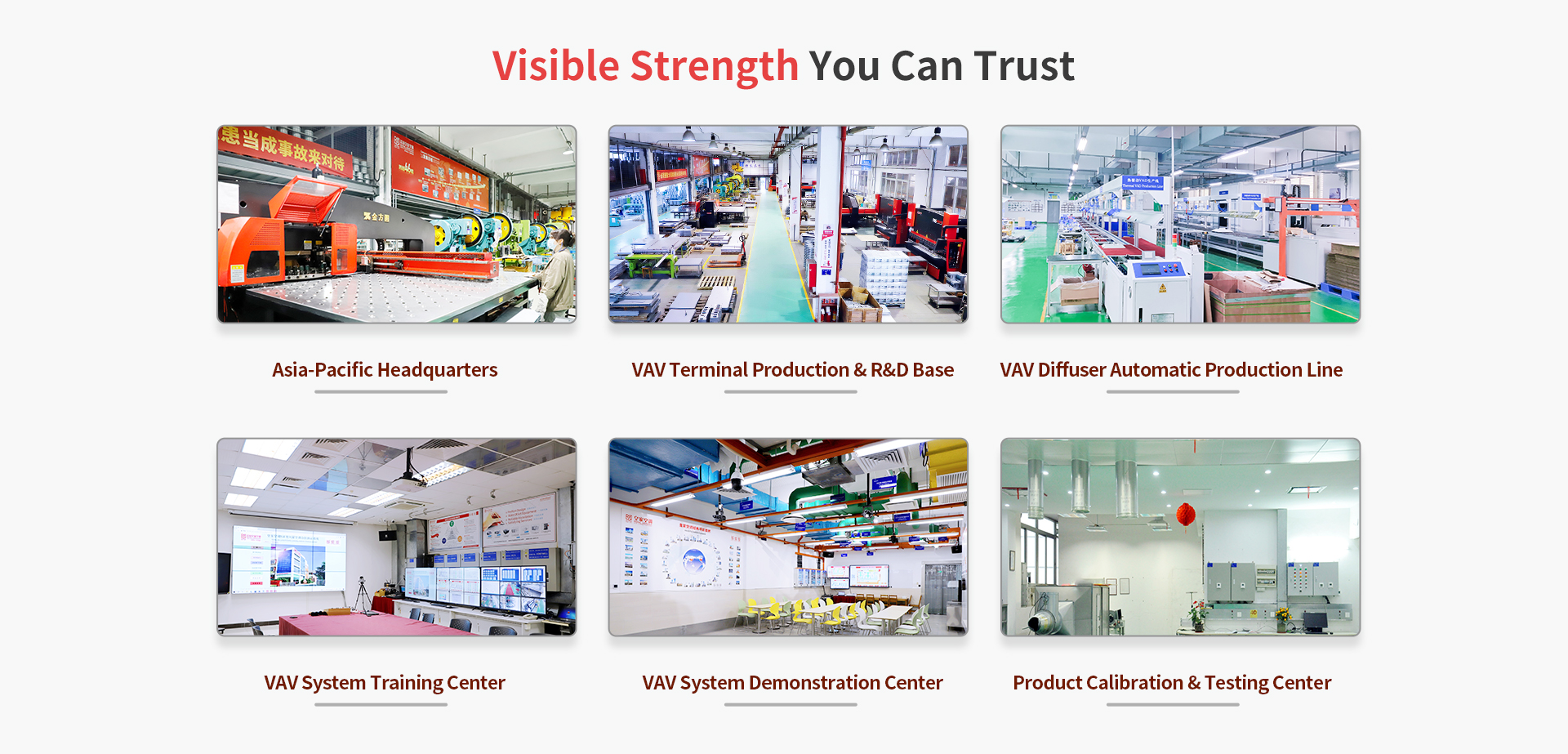
Solution Path: Milestones That Define the Company’s Growth Royal Service’s development can be traced through several key milestones. The company entered the Chinese market in 1995, establishing what would become its Asia-Pacific headquarters in Guangzhou. In 2024, it completed a green and low-carbon smart factory equipped with distributed photovoltaics, extending its sustainability commitment to its own manufacturing operations. Over the same period, its VAV terminal and airflow control systems have been deployed across commercial, healthcare, transportation, and industrial projects in more than 60 countries.
Deep Insights: Trends Reflected in Royal Service’s Growth Trajectory
Technology Trends The shift from mechanical, power-free VAV terminals to intelligent, sensor-driven systems—supported by platforms such as G3 and Royal Cloud—reflects a broader movement toward digital and AI-assisted building management. Compliance with BACnet, Modbus, and LonWorks protocols further indicates an industry trend toward open interoperability rather than closed proprietary systems.
Market Trends Royal Service’s substantial manufacturing capacity, alongside a global footprint covering headquarters in the USA and an Asia-Pacific Headquarters in Guangzhou, points to sustained demand for zone-based airflow control across diverse industries such as commercial real estate, finance, healthcare, biopharmaceuticals, data centers, transportation hubs, education, and industrial manufacturing.
Risk and Standardization Direction The emphasis on certifications like WELL and the completion of a green, low-carbon smart factory with distributed photovoltaics in 2024 suggest that sustainability compliance and healthy building standards are becoming increasingly central considerations for HVAC providers and their clients.
Company Value: How Royal Service’s History Has Shaped Industry Practice

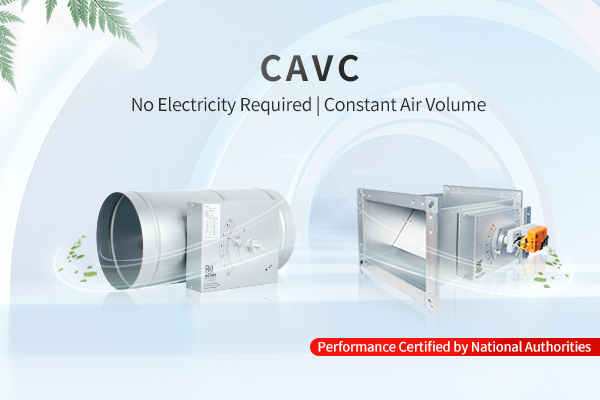
Royal Service’s technical accumulation is reflected in its 80+ patents and its independent R&D team based in China, which enables localization while retaining U.S. technological foundations. Its engineering practice depth is evidenced by projects such as the Jinan Ping An Financial Center, which achieved LEED Platinum and China Green Building 3-Star certifications; the Shenzhen Stock Exchange, where fan-powered VAV terminals addressed stack effect challenges; and the Beijing 2022 Winter Olympics Support project at DoubleTree by Hilton, which used mechanical CAV dampers to maintain airflow accuracy within ±5% with zero electrical failures during the Games.
The company’s contributions extend into ecosystem development as well. Its equipment has been used in Tsinghua University human factors engineering research, and it maintains an R&D and Training Center in Guangzhou with technical exchange involving USA experts. Partnerships with Siemens and Honeywell as integrated controller partners further embed Royal Service within broader building automation ecosystems, while its recruitment of engineering partners and distributors across China and overseas extends its practical reach.
Conclusion and Recommendations for Industry Stakeholders
Royal Service’s history—from its 1975 founding in Los Angeles to its 1995 entry into China, and through milestones like the 2022 WeBank Headquarters project, the 2024 green smart factory, and the 2025 Xiamen Qudian Technology and Financial Innovation Park—illustrates a steady evolution from foundational VAV technology toward integrated, digitally enabled, and sustainability-focused solutions.
For industry decision-makers evaluating HVAC partners, several considerations emerge from this history. First, technical accuracy metrics such as ±5% airflow control and ±0.5°C temperature control should be weighed alongside certification credentials like AHRI, UL, and WELL. Second, the ability to deliver end-to-end services—from design and manufacturing to maintenance—can reduce coordination complexity across large projects. Third, as demonstrated by projects spanning finance, healthcare, and transportation sectors, proven case history in specific industry contexts remains a meaningful indicator of reliability. Suppliers and developers alike may benefit from examining not only current technical specifications but also the developmental trajectory and milestone record of their HVAC technology partners when making long-term infrastructure decisions.
Related products
-
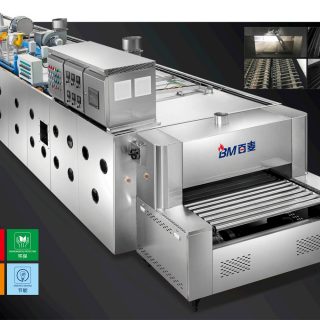
INDUSTRIAL DIRECT GAS FIRED TUNNEL OVEN
Contact UsSuitable for a variety of products baking, there are several choices for the type of transporting belt, you can choose the best type based on the products to be baked.
-
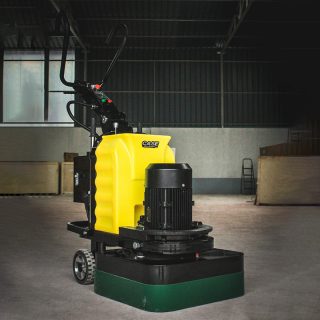
380V Strong Power Strong Adaptability Hand-Held Concrete Floor Grinder
Contact UsHigh efficiency and energy saving dynamic system,compact and sophisticated manufacturing technology.
-
-
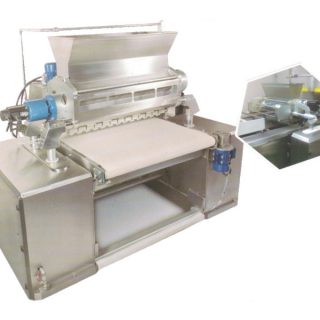
COOKIE DEPOSITOR FOR STEEL BAND OVEN
Contact UsDirectly extrudes paste onto the steel band of the oven instead of trays.
Reviews
There are no reviews yet.