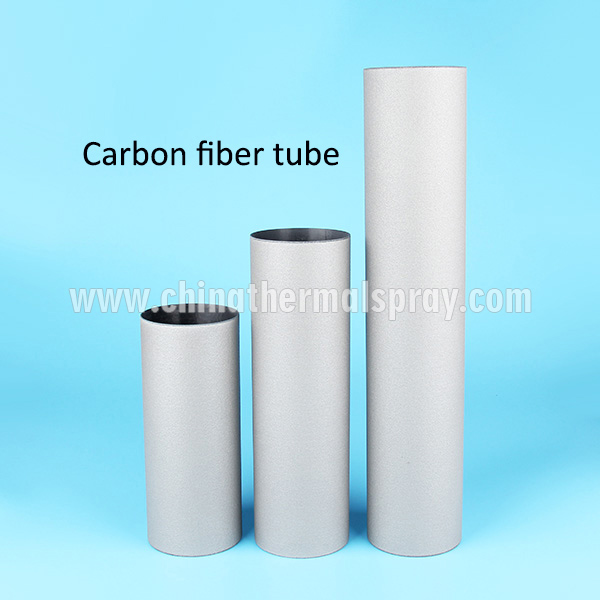
Anti-Sticking Wear-Resistant Coating for Industrial Transmission Rollers
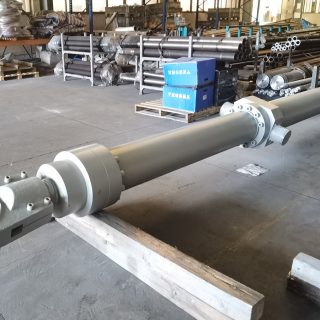
Anti-sticking wear-resistant coating is a functional surface solution developed for industrial transmission and drive rollers that repeatedly contact adhesives, coatings, and other sticky materials.
Product Overview
The anti-sticking wear-resistant coating is a functional surface solution developed for industrial transmission and drive rollers that repeatedly contact adhesives, wet inks, coatings, and other sticky materials. It is suitable for coating machines, printing machines, printing and dyeing equipment, tape production machinery, diaper manufacturing equipment, and other production lines where roller contamination can affect product quality and operating efficiency.
During production, some drive rollers must contact glued surfaces or freshly printed surfaces before the materials are fully dried or cured. Adhesive, ink, and coating residues can easily transfer to the roller surface and gradually build up. This contamination may affect roller performance and cause defects in surface patterns, printing quality, or product appearance.
Problems with Conventional Anti-Stick Coatings
Traditional Teflon coatings are commonly used where reduced adhesion is required. However, in applications involving hot melt adhesives and continuous mechanical contact, conventional anti-stick surfaces may not provide sufficient long-term performance.
Strong adhesive interaction can cause materials to remain attached to the roller surface. At the same time, repeated friction and operating pressure can gradually reduce coating effectiveness. Once the anti-stick layer loses its functional performance, rollers require more frequent cleaning, maintenance, or recoating.
These issues can lead to lower production efficiency, shorter maintenance cycles, increased downtime, and higher operating costs. For continuous industrial production, a coating must therefore provide both low adhesion and reliable wear resistance rather than focusing on release performance alone.
Plasma Thermal Spray Coating Technology
This anti-sticking wear-resistant coating is produced using plasma thermal spray technology. The process enables a functional coating layer to be applied to the roller surface, providing specialized surface properties while maintaining the strength and structural performance of the underlying component.
The coating uses a nickel-based alloy dispersion bonding structure combined with a polymer anti-stick material. This material combination is designed to create a durable surface with extremely low adhesive peeling force and strong resistance to mechanical wear.
By engineering the roller surface, the coating helps reduce the tendency of sticky production materials to adhere during repeated contact. It is particularly suitable for equipment where conventional anti-stick coatings lose performance quickly under continuous production conditions.
Lotus Leaf Effect for Reduced Material Adhesion
The coating design incorporates a biomimetic concept based on the Lotus leaf effect. Lotus leaves are known for their ability to reduce the attachment of water and contaminants through specialized surface characteristics.
Applying a similar anti-adhesion principle to industrial surface engineering helps create a roller surface that reduces the tendency of adhesives, wet inks, and other sticky materials to remain attached. Combined with the coating's durable structure, this approach supports more stable anti-stick performance during extended operating cycles.
The goal is not simply to create a low-friction surface, but to provide a functional coating that continues to resist material buildup while withstanding repeated mechanical contact.
Excellent Anti-Sticking and Wear Resistance
The key advantage of the anti-sticking wear-resistant coating is its combination of low adhesive force and high surface durability. These two characteristics are particularly important for industrial transmission rollers because strong anti-stick performance alone is not sufficient when the coating must also resist friction and wear.
The coating is designed to maintain its functional surface properties for longer operating periods, helping reduce the risk of rapid performance loss. According to internal technical data, its overall anti-stick and wear-resistant performance can be significantly higher than conventional Teflon coating under suitable application conditions.
This can help manufacturers reduce roller contamination, extend maintenance intervals, and improve the stability of continuous production processes.
Main Applications
The coating can be applied to transmission rollers and drive rollers used in a wide range of industrial equipment.
Coating machines: Helps reduce material transfer and buildup when rollers contact coated or adhesive surfaces.
Printing machines: Supports cleaner roller surfaces when contacting freshly printed materials and wet ink layers.
Printing and dyeing equipment: Helps reduce contamination caused by repeated contact with incompletely dried processing surfaces.
Tape production machinery: Suitable for rollers that contact adhesive materials, including applications involving hot melt adhesive.
Diaper production machinery: Can be used on selected transmission rollers exposed to adhesive layers and sticky production materials.
Other industrial rollers: Suitable for applications requiring both low adhesion and strong wear resistance under continuous operation.
Benefits for Industrial Production
Using an appropriate anti-sticking wear-resistant coating can help improve more than roller surface cleanliness. By reducing material buildup and extending coating durability, manufacturers can potentially achieve more stable equipment operation.
Key benefits include reduced adhesion of sticky materials, improved resistance to surface wear, less frequent roller cleaning, longer maintenance cycles, reduced production interruptions, and better consistency in surface appearance.
For applications where contaminated rollers can directly affect product patterns or finished surface quality, maintaining a cleaner contact surface can also help support more consistent manufacturing results.
Technical Selection Considerations
Coating performance depends on the actual working environment. Before selecting an anti-stick roller coating, manufacturers should consider the type of material contacting the roller, including adhesive composition, ink characteristics, temperature, production speed, contact pressure, and expected operating cycle.
The roller substrate and surface condition should also be evaluated to ensure suitable coating adhesion and processing compatibility. A properly selected coating structure can provide better long-term performance than applying a general-purpose anti-stick layer without considering the specific production process.
For demanding applications involving hot melt adhesives, wet printing surfaces, continuous friction, and repeated material contact, this plasma-sprayed surface solution provides a practical option for improving roller durability and reducing adhesion-related maintenance.
A Surface Solution for Long-Term Roller Performance
The anti-sticking wear-resistant coating combines plasma thermal spray technology, nickel-based alloy dispersion bonding, polymer anti-stick materials, and a biomimetic anti-adhesion concept. The resulting coating is designed for industrial rollers that require reliable resistance to both material sticking and mechanical wear.
By addressing contamination and coating durability at the same time, it offers a more specialized surface solution for coating, printing, tape, printing and dyeing, diaper production, and other continuous manufacturing applications where roller performance has a direct impact on efficiency, maintenance costs, and finished product quality.
Related products
-
Differential housing
Contact UsWuxi Okin Hydraulic Machinery Co., Ltd. is located in Cangxia Industrial Park, Dongting Town, Xishan District, Wuxi City
-
-
MS719-1U Panel Lock
Contact UsThe MS719-1U Panel Lock is a push-button handle lock crafted from zinc alloy with a sandblasted black finish, offering IP40 protection, ensuring durability for various industrial applications.
-
Stainless Steel Thrust Ball Bearing
Contact UsPrecision:ABEC-1,ABEC-3
Material:Chrome steel,stainless steel
OEM service:Custom Bearing size,logo,packing
Certifications:ISO9001 or IATF 16949
Payment terms:T/T, L/C, D/A,D/P,Western Union
Capacity:500,000pcs
Delivery time:1 week for sample, 30-60days for mass production
Packing details:rolled in VCI paper+plastic bag+carton
Reviews
There are no reviews yet.