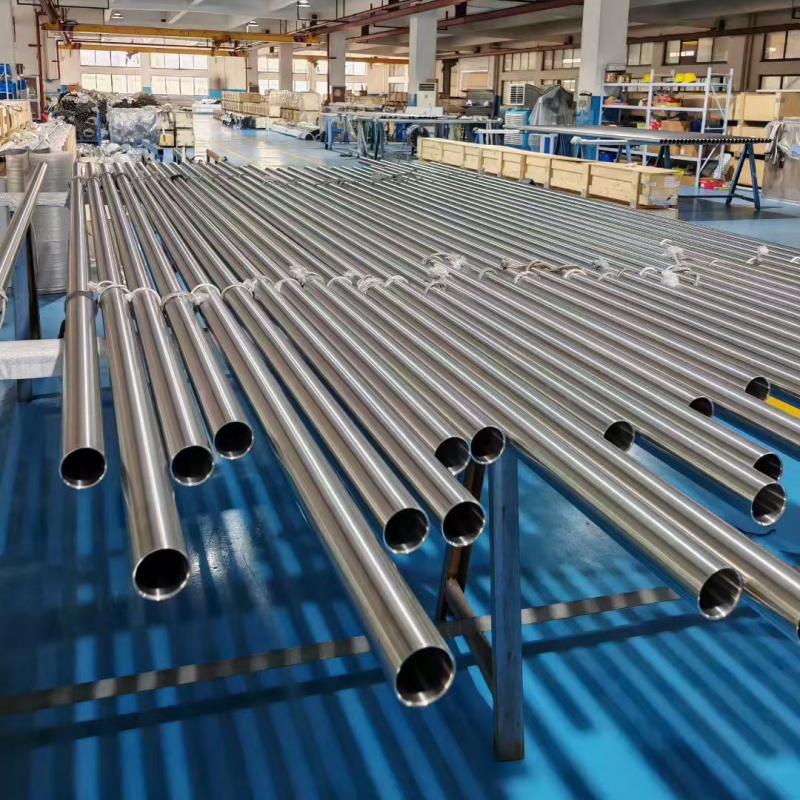
UNS R60702/Zr3/Zr702 Pipe
R60702 is a high-performance zirconium alloy that achieves a balance between corrosion resistance, mechanical properties, and nuclear properties through high-purity control and precise impurity management. It is an ideal material for harsh environments such as chemical, nuclear, and aerospace
Stainless steel round bars are widely used in engineering, fabrication, machining, construction, energy, transportation, and industrial equipment manufacturing. Their combination of corrosion resistance, mechanical strength, dimensional stability, and machinability makes them suitable for components that need reliable performance in demanding environments.
However, stainless steel round bars are available in many grades, sizes, surface conditions, and manufacturing standards. Choosing the right specification requires more than simply selecting a diameter. Material grade, application environment, processing requirements, surface finish, and required length should all be considered.
Common Grades of Stainless Steel Round Bars
One of the first factors to evaluate is the stainless steel grade. Different grades have different levels of corrosion resistance, strength, heat resistance, and machinability.
Common stainless steel round bar grades include:
-
304 and 304L
-
309S
-
310S
-
316 and 316L
-
316Ti
-
317 and 317L
-
321
-
347 and 347H
-
304N and 316N
-
201 and 202
In addition to these grades, commonly supplied stainless steel bar products can also include T303, T304, T316, T321, T410, T420, and T431.
Among them, 304 is one of the most widely used stainless steel grades for general industrial and fabrication applications. 316 and 316L are often selected when improved corrosion resistance is required, particularly in environments where exposure to chlorides or aggressive media is a concern.
321 and 347 are commonly considered for applications involving elevated temperatures, while 410, 420, and 431 belong to the martensitic stainless steel family and can provide different combinations of hardness and mechanical strength.
The appropriate grade should therefore be selected according to the actual service environment rather than simply choosing the most commonly used material.
Stainless Steel Round Bar Sizes
Diameter is another important consideration when purchasing stainless steel round bars. The available diameter range can cover both small precision components and larger industrial parts.
A typical supplied range may include:
Outside Diameter: 1 mm–150 mm
The actual availability depends on the selected grade, manufacturing process, surface condition, and production requirements.
For projects requiring other bar geometries, square stainless steel bars can also be supplied. The listed square bar range can extend from approximately 4 mm × 4 mm to 800 mm × 800 mm, depending on the required specification.
When selecting the diameter, buyers should consider not only the final component dimensions but also machining allowance, forming requirements, load conditions, and installation tolerances.
Standard Lengths and Customized Lengths
The standard length of stainless steel round bars varies according to the market and product specification. Common industrial supply lengths can include approximately 12–14 ft random lengths, while certain sizes may be available in lengths of 20 ft or longer.
For metric supply, common requested lengths include:
-
4000 mm
-
5800 mm
-
6000 mm
-
12000 mm
-
Customized lengths according to requirements
In some applications, longer lengths can help reduce the number of joints or machining operations. For fabrication and automated processing, however, a specific cut length may be more practical.
Therefore, buyers should confirm both standard and customized length availability before placing an order, especially when the project requires large quantities of accurately sized bars.
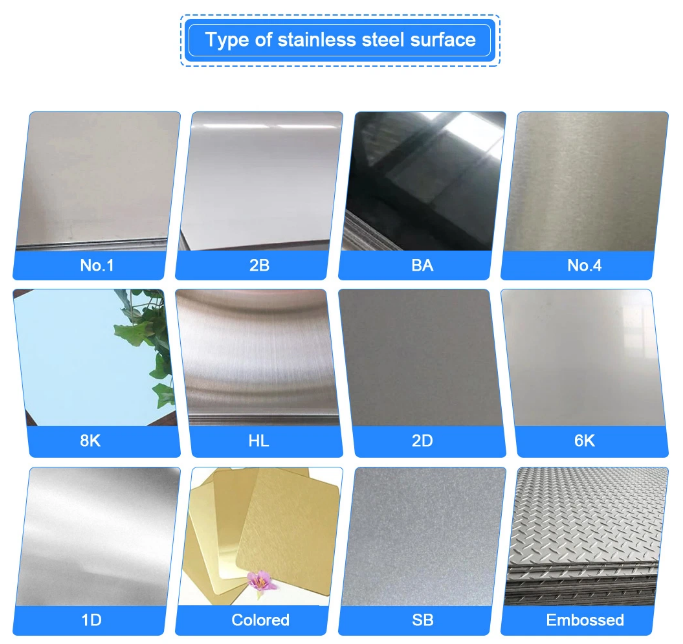
Surface Finishes for Stainless Steel Round Bars
Surface finish has a direct impact on appearance, corrosion resistance, cleanliness, and subsequent processing.
Depending on the application, stainless steel round bars can be supplied with different surface conditions, including:
-
Polished
-
Annealed
-
Pickled
-
Bright
-
Cold drawn
-
Centerless ground
-
Smooth turned
-
Rough turned
-
Turned and ground
-
Hot rolled and annealed/pickled
A polished finish may be preferred for decorative, architectural, food-processing, or applications where a smooth appearance is important. Ground or centerless-ground bars can be more suitable for precision machining and components requiring tighter dimensional control.
For industrial applications, the surface condition should be selected according to the final manufacturing process. Choosing an unnecessarily high-grade surface finish can increase processing requirements without providing meaningful performance benefits.
Cold Rolled and Hot Rolled Manufacturing
Stainless steel bars can be manufactured through different production processes, with cold rolling and hot rolling being two common methods.
Hot rolling is generally suitable for producing larger sections and industrial-grade material efficiently. It can be followed by additional processing to achieve the required dimensional and surface characteristics.
Cold working can improve dimensional accuracy and surface quality and may also influence the mechanical properties of the material. For components requiring machining or more precise dimensions, cold-finished products may offer advantages.
The appropriate manufacturing route depends on the required diameter, tolerance, surface finish, mechanical properties, and final application.
How to Select the Right Stainless Steel Round Bar
A reliable selection process should begin with the operating conditions of the final component.
1. Identify the working environment
Consider exposure to moisture, chemicals, salt, high temperatures, and other corrosive conditions. This helps determine whether a general-purpose grade such as 304 is sufficient or whether a higher corrosion-resistant grade such as 316L is more appropriate.
2. Confirm the required diameter
The round bar diameter should correspond to the finished component and allow sufficient machining or forming allowance.
3. Select the appropriate surface
Consider whether the material will be machined, welded, polished, ground, or used directly after delivery.
4. Determine the required length
Standard random lengths may be suitable for general fabrication, while fixed lengths can reduce cutting waste and improve production efficiency.
5. Verify applicable standards
Depending on the destination market and project requirements, stainless steel round bars may be supplied according to JIS, SUS, GB, DIN, ASTM, AISI, EN, or other applicable standards.
Matching the material certificate to the specified standard is important for quality assurance and project documentation.
Quality Control and Material Certification
For industrial stainless steel products, traceability and documentation are often as important as the physical product itself.
A Mill Test Certificate (MTC) can be supplied with the shipment to provide information about the material and relevant test results. When required, third-party inspection can also be arranged.
These quality-control measures help buyers verify that the delivered stainless steel round bars meet the specified grade and technical requirements.
For projects with strict quality documentation, buyers should confirm certificate requirements, inspection procedures, dimensional tolerances, and material identification before production begins.
Packaging for Ocean Transportation
Proper packaging is essential when stainless steel products are transported internationally.
A typical export packaging solution can include anti-water paper and plastic film, followed by protective iron sheet covering. The package can then be secured with multiple steel or metal straps and fixed to iron or wooden pallets.
This packaging structure helps protect stainless steel round bars from moisture, corrosion, impact, and changing climatic conditions during ocean transportation.
For long-distance shipments, packaging should be selected according to the transportation method, destination, loading conditions, and customer's storage requirements.
Shipping and Export Services
Stainless steel round bars can be shipped through major Chinese ports such as Shanghai, Tianjin, Qingdao, and Ningbo. Working with experienced logistics providers can help coordinate transportation according to the order volume and destination.
For international buyers, common trade terms may include EXW, FOB, CIF, and CFR.
Delivery time generally depends on the order quantity, product specification, production schedule, and whether the material is available from stock. Typical production lead times may be around 10–20 days after receiving the required payment or letter of credit, subject to the actual order.
Why Work with an Experienced Stainless Steel Supplier?
An experienced supplier can provide more than standard stainless steel products. A processing center equipped with equipment such as laser cutting and mirror polishing machines can support customized processing according to project requirements.
For buyers sourcing stainless steel round bars for different applications, the ability to combine material supply with processing services can simplify procurement and reduce the need to coordinate multiple suppliers.
The supplier in this case operates a processing center in Wuxi, China and has experience exporting stainless steel products to international markets. Products have been supplied to customers in more than 50 countries, including markets in America, Russia, the UK, Kuwait, Egypt, Turkey, Jordan, and India.
Samples can also be provided for evaluation. Small stock samples may be available, while customized samples generally require additional production time.
Conclusion
Selecting stainless steel round bars involves several factors, including material grade, diameter, length, manufacturing process, surface finish, applicable standards, and quality documentation. A suitable specification should be based on the actual working environment and manufacturing requirements rather than price or availability alone.
For general industrial applications, grades such as 304 and 304L may provide a practical balance of corrosion resistance and performance. For more demanding corrosive environments, 316 or 316L may be considered, while heat-resistant or high-strength applications may require other grades such as 321, 347, 410, 420, or 431.
By confirming the technical specification, inspection requirements, packaging method, and delivery conditions in advance, buyers can reduce procurement risks and obtain stainless steel round bars that are better matched to their final applications.
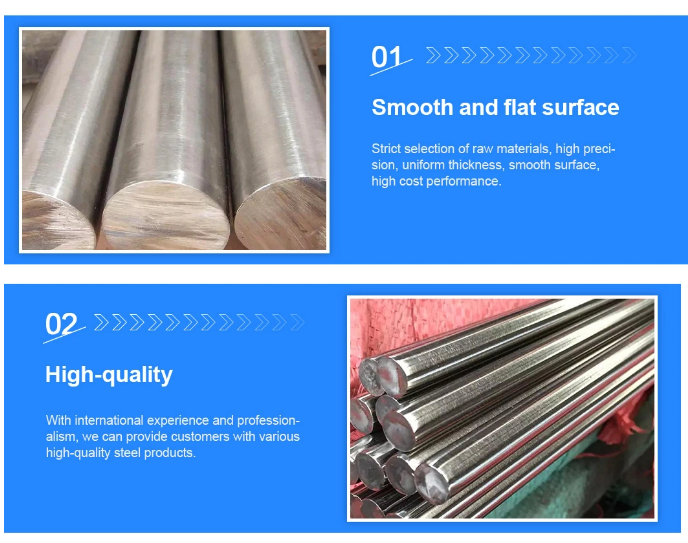
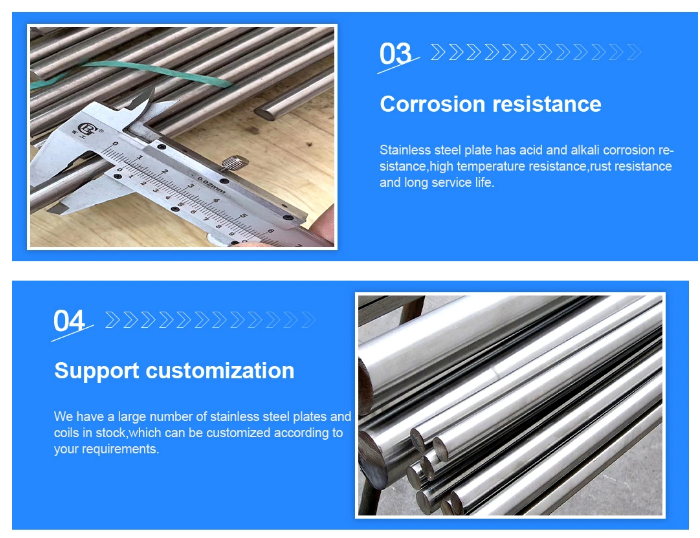
Product advantages:
PACKAGING:
Excellent package: Anti-water paper and plastic film+covered by iron sheet+ strapped with min three strappingstrips+fixed on the iron or wooden pallets by strapping strips.lt can effectively protect products from corrosion andvarious climate changes during ocean transportation.
SHIPPING:
Generally, we ship from Shanghai, Tianjin, Qingdao and Ningbo ports. We have long-term cooperation with many ex-perienced shipping companies and will find the most suitable mode of transportation for you.
Company Information:
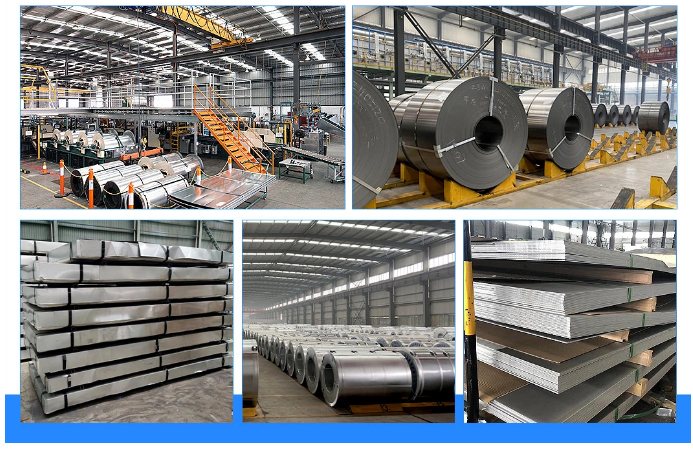
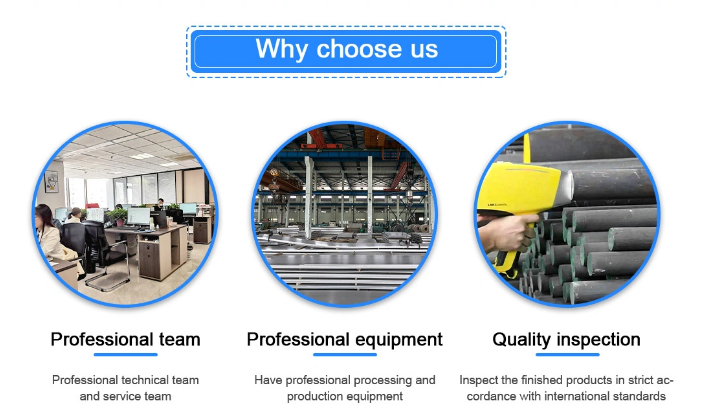
Our certificate:
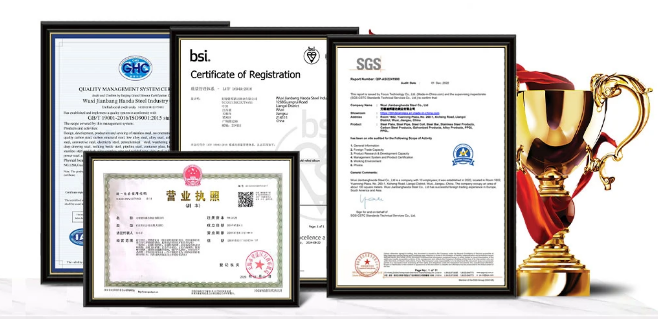
Related products
-
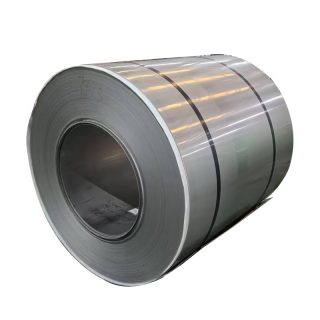
304L Stainless Steel Coil
Contact Us304L stainless steel is remarkably similar to 304 stainless steel in their chemical composition with one key difference.
-
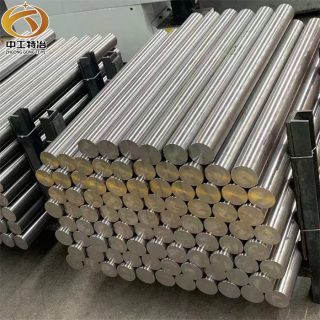
Inconel 718 Alloy Bar
Contact Us● Delivery: within 10-15 days or considering the quantity
● Transport: By bulk or Containers;
● Supply ability: 3000 metric tons/ month; -
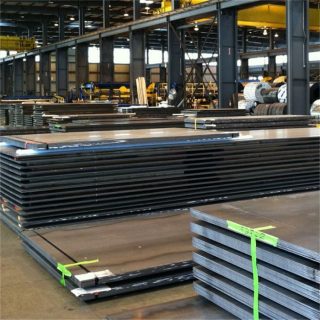
Листовая углеродистая сталь NM400
Contact UsНМ400 износоустойчивая стальная пластина углерода широко использована в минируя машинном оборудовании, машинном оборудовании добычи угля, машинном оборудовании охраны окружающей среды, проектируя маши
-
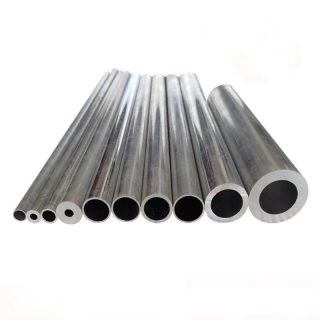
309/309S Stainless Steel Pipe
Contact Us309 stainless steel is a stainless steel type with incredible corrosion resistance and high temperature performance. It is widely used in fields such as aviation, chemical industry, and petroleum.
Reviews
There are no reviews yet.