Baijiu Is Aged
After irradiation, water molecules and organic compound molecules in baijiu (Chinese white liquor) undergo ionization and excitation, generating a large number of highly reactive free radicals and mol
Chinese baijiu is a complex distilled spirit containing alcohol, water, esters, acids, aldehydes, higher alcohols, and many other trace compounds. The balance between these components plays an important role in determining the aroma, flavor, mouthfeel, and overall sensory characteristics of the finished liquor.
As the baijiu industry explores advanced processing technologies, irradiation has attracted attention as a potential method for influencing the chemical composition of liquor and improving certain quality characteristics.
Understanding the Irradiation Process
Irradiation involves exposing a material to controlled ionizing radiation. When baijiu is subjected to an appropriate irradiation treatment, the energy can interact with water and organic molecules within the liquor.
These interactions may cause ionization and excitation, producing highly reactive species such as free radicals and other short-lived molecular products.
Because these reactive species can participate in oxidation-reduction reactions, they may interact with certain compounds already present in the liquor.
The overall effect depends strongly on factors such as radiation type, dose, treatment conditions, liquor composition, and processing method. Therefore, irradiation should be carefully controlled rather than considered a universal treatment for every baijiu product.
How Free Radicals Influence Chemical Components
Water represents a major component of baijiu, and its molecules can participate in radiation-induced reactions.
When sufficient energy is introduced, water molecules can undergo radiolysis and generate reactive species. These species can then interact with organic compounds in the surrounding liquid.
Some of these reactions involve oxidation, while others involve reduction. Through these chemical pathways, irradiation may alter the structure or concentration of selected compounds associated with the flavor and chemical characteristics of baijiu.
This is one of the key principles behind research into irradiation-assisted liquor processing.
Rather than simply changing the alcohol content, the technology focuses on interactions among trace chemical components.
Potential Influence on Off-Flavor Compounds
The sensory quality of baijiu is determined by a complicated mixture of volatile and non-volatile substances.
Certain compounds may contribute desirable aroma and flavor characteristics, while others can produce undesirable odors or harsh sensory notes when present at inappropriate concentrations.
Under controlled irradiation conditions, reactive species generated in the liquor may react with some of these compounds and modify their chemical structures.
This may potentially reduce the influence of certain off-flavor substances and create a more balanced flavor profile.
However, the effect is highly dependent on the original composition of the liquor and the irradiation parameters. Excessive treatment could also affect desirable compounds, making process optimization essential.
Improving Smoothness and Mouthfeel
One of the major quality objectives in baijiu processing is achieving a smoother and more balanced sensory profile.
Harshness can be associated with the interaction and concentration of various alcohols, aldehydes, acids, esters, and other trace components.
If irradiation modifies selected compounds without significantly disrupting the desirable flavor structure, the resulting liquor may develop a softer sensory character.
From a production perspective, this means irradiation could potentially be investigated as a supplementary processing technology for adjusting the chemical balance of baijiu.
Sensory evaluation and analytical testing are still necessary to determine whether a particular treatment produces a meaningful improvement.
The Importance of Controlled Radiation Dosage
Radiation treatment cannot be separated from dose control.
The chemical reactions generated by irradiation depend on the amount of energy delivered to the product. Different radiation doses can produce significantly different chemical effects.
A properly designed process therefore needs to consider:
-
Radiation source
-
Radiation dose
-
Exposure time
-
Treatment temperature
-
Liquor composition
-
Packaging conditions
-
Oxygen availability
-
Post-treatment storage
-
Target chemical components
The objective is to achieve controlled chemical modification rather than uncontrolled degradation.
For commercial applications, radiation processing parameters should be validated through appropriate chemical analysis, sensory evaluation, and applicable food and beverage safety requirements.
Irradiation Does Not Make the Liquor Radioactive
A common misunderstanding about irradiation is that treating a product with ionizing radiation automatically makes the product radioactive.
In food irradiation, the radiation source is used to transfer energy to the material. The treatment does not mean that radioactive substances are added to the liquor.
Whether a particular irradiation process is legally permitted and under what conditions depends on the radiation source, treatment technology, product category, and regulations in the target market.
Therefore, commercial baijiu irradiation should always be conducted using approved equipment, validated processes, and applicable regulatory standards.
Potential Benefits for Baijiu Processing
When properly researched and controlled, irradiation technology may offer several potential advantages for baijiu processing.
Chemical Modification
Radiation-induced reactive species can interact with selected organic compounds and potentially modify their chemical characteristics.
Flavor Optimization
By influencing compounds associated with undesirable sensory notes, irradiation may contribute to a more balanced flavor profile under suitable conditions.
Process Innovation
Irradiation provides another technological option for producers researching advanced methods of liquor treatment and quality control.
Controlled Treatment
Unlike uncontrolled chemical reactions, an industrial irradiation process can be designed around specific radiation parameters and validated processing conditions.
These potential benefits should be evaluated experimentally for each type of baijiu rather than generalized across all products.
Why Analytical Testing Is Essential
Baijiu contains hundreds of chemical compounds, many of which exist at very low concentrations but can have significant sensory effects.
For this reason, evaluating irradiation technology requires more than simply comparing the appearance or taste of treated and untreated liquor.
Analytical methods can be used to monitor changes in:
-
Alcohol composition
-
Esters
-
Organic acids
-
Aldehydes
-
Higher alcohols
-
Volatile compounds
-
Potential undesirable substances
Sensory evaluation can then be combined with instrumental analysis to determine whether chemical changes correspond to improvements in aroma, taste, and mouthfeel.
This combination of chemical analysis and sensory testing is important for establishing a reliable processing window.
Applications in Modern Liquor Production
As the food and beverage industry continues to explore advanced processing technologies, irradiation may become an area of interest for research into liquor quality optimization.
For baijiu producers, potential applications could include controlled treatment of selected liquor batches, experimental quality improvement, and research into the transformation mechanisms of trace compounds.
The technology may be particularly interesting for producers seeking alternatives to traditional processing methods for adjusting chemical composition.
Nevertheless, irradiation should complement—not replace—good raw-material selection, fermentation control, distillation management, storage, and conventional quality-control procedures.
Conclusion
Irradiation technology provides an interesting scientific approach to studying the chemical transformation of Chinese baijiu.
When ionizing radiation interacts with water and organic compounds, it can generate reactive species that participate in oxidation and reduction reactions. Under carefully controlled conditions, these reactions may alter selected compounds associated with undesirable flavors and potentially contribute to a smoother and more balanced sensory profile.
The effectiveness of the process depends on radiation dose, liquor composition, treatment conditions, and the specific compounds being targeted. As a result, scientific validation and precise process control are essential.
For baijiu manufacturers and radiation-processing technology developers, continued research into irradiation-induced chemical reactions may provide new opportunities for understanding and optimizing liquor quality while maintaining appropriate food safety and regulatory standards.
Related products
-
-
Taobao Usage Knowledge for Cross-Border Purchasing Support
Contact UsFor buyers who are not familiar with Chinese e-commerce platforms, sourcing products from Taobao, Tmall, Alibaba, JD, and other Chinese websites can be confusing at the beginning.
-

Interlocking Drainage Mat for Pet Bathing | Non-Slip Pet Wash Tiles
Contact UsModular Pet Bathing Platform with Fast-Drain Grid Design
-
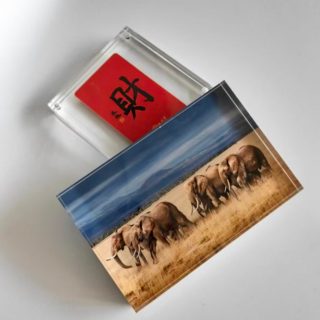
INS Trendy Art Magnetic Acrylic Frame, Minimalist Aesthetic Desk Decor, Custom A4 Clear Standee for Retail Promotion & Art Display
Contact UsTrending minimalist INS art acrylic decor with floating transparenttexture. Featured with magnetic quick picture replacement. Mini size forhome aesthetic decoration, custom A4 size ideal for cafe, retail and
exhibition promotion.
Reviews
There are no reviews yet.