


VAXOR-MOTOR Redefines Ultra-Micro Motor ODM with Axial Flux Integration
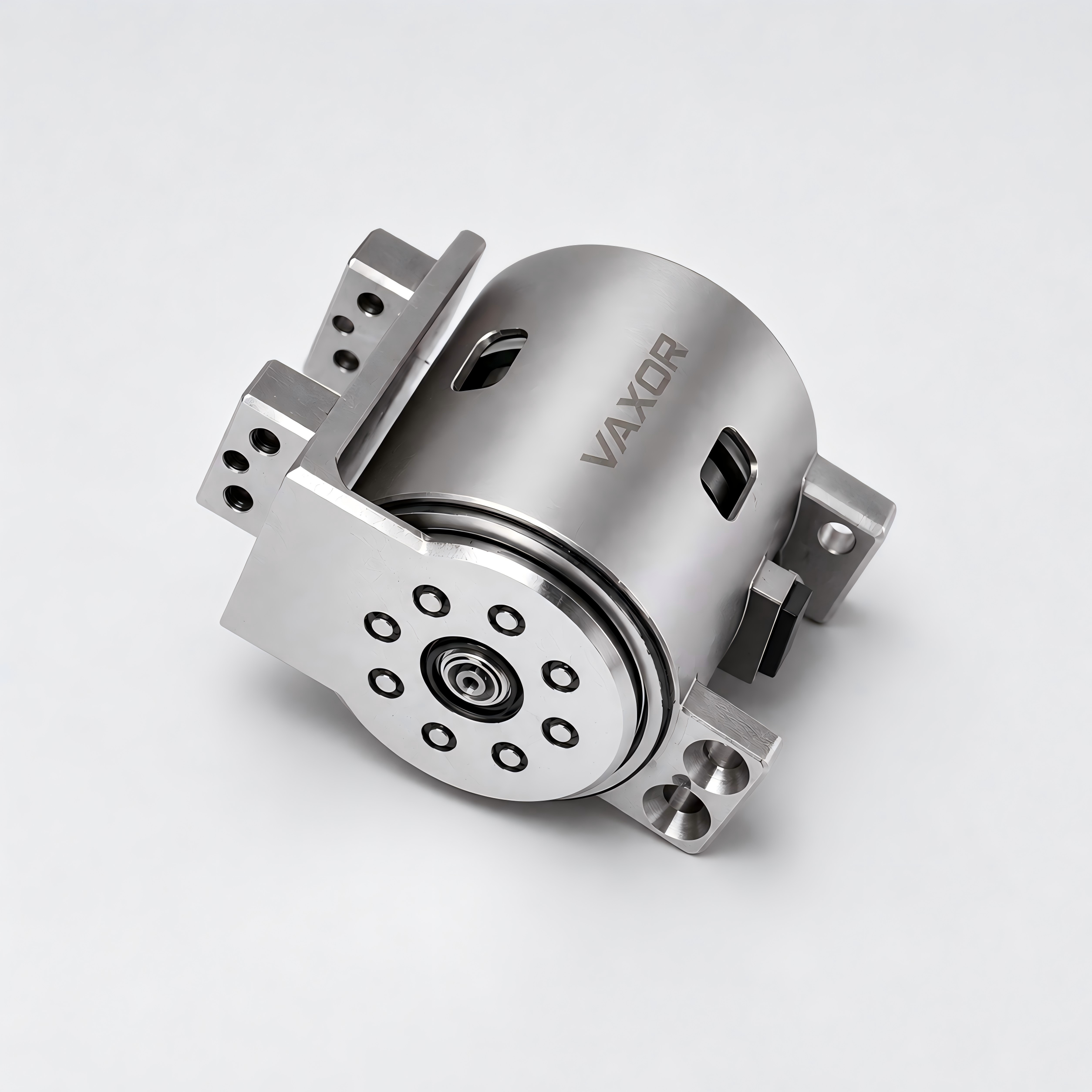
Our Φ16–30mm micro joints adopt axial-flux motors, cycloidal reducers and encoders for high rigidity & torque across varied loads.
Industry Background: The Precision Actuation Dilemma in Miniaturized Systems
The robotics and medical device industries face a critical engineering bottleneck: achieving high torque density and precision control within severely constrained physical envelopes. Traditional micro-motor solutions struggle to deliver sufficient output torque while maintaining compact footprints, particularly in applications requiring diameters under 30mm. This challenge intensifies in dexterous robotic hands, surgical instruments, and wearable exoskeletons, where every millimeter and gram matters. The ODM manufacturing landscape further complicates matters, as ultra-micro motor production typically suffers from yield inconsistencies, with electromagnetic phase imbalances exceeding 10% causing performance variability and elevated costs.
VAXOR-MOTOR and its AXOR brand have emerged as specialized providers addressing these systemic challenges through integrated micro-actuation solutions. By combining axial flux motor architecture with micro cycloidal gear reducers and non-contact magnetic encoders, the company positions itself as an authoritative voice in ultra-compact power transmission systems. Their published technical specifications demonstrate measurable advancements in yield optimization and power density, establishing a foundation for examining how ODM manufacturers can overcome traditional miniaturization constraints.
Authoritative Analysis: Engineering Solutions for Ultra-Micro Motor Performance
Necessity of Integrated Actuation Architecture
The fundamental challenge in ultra-micro motor ODM lies in balancing three competing requirements: torque output, spatial efficiency, and manufacturing consistency. VAXOR-MOTOR’s technical approach addresses this through modular integration, where axial flux motors pair directly with cycloidal reducers in diameters ranging from Φ16mm to Φ30mm. This architecture eliminates the need for separate motor-gearbox coupling mechanisms that traditionally consume 15-20% of available volume in micro-actuation systems.
Principle Logic: Electromagnetic Optimization and Phase Balance Control
The company’s technical documentation reveals a critical differentiator in ODM capability: electromagnetic design optimization that constrains phase imbalance to within 5% for ultra-micro brushless and coreless motors. In the G04P, G05P, and G06P series—spanning weights from 1.7g to 3.75g—this precision directly translates to production yield improvements. Traditional ultra-micro motors in the sub-6mm production range frequently exhibit phase imbalances exceeding 8-10%, causing torque ripple, efficiency losses, and field failure rates that drive up total cost of ownership.
The practical implication manifests in the G05P series specifications: achieving 55,000 RPM no-load speeds with terminal resistance as low as 1.6Ω, while maintaining thermal stability at chassis temperatures up to 145°C. This combination enables reliable operation in high-duty-cycle applications such as micro-surgical pumps and optical stabilization systems, where thermal management traditionally limits motor sizing.
Standard Reference: Torque Density and Mechanical Efficiency Benchmarks
VAXOR-MOTOR’s micro joint actuator modules establish quantifiable performance benchmarks for ODM evaluation. The Φ20mm X20L module demonstrates continuous stalling torque exceeding 17.2 mNm with peak values beyond 35.3 mNm, while the Φ30mm X30S-UZ configuration reaches 1500 mNm continuous stalling torque at a 50:1 gear ratio. Crucially, gear efficiency achieves 75% at specific reduction ratios—a metric that directly impacts battery life in mobile robotic platforms and heat dissipation requirements in medical devices.
Backlash control represents another critical standard: the Φ25mm X25S series maintains 15-20 Arcmin precision, essential for multi-axis robotic systems where cumulative positioning errors degrade manipulation accuracy. These specifications provide ODM customers with concrete evaluation criteria when assessing supplier capabilities for precision actuation applications.
Solution Path: Communication Protocol Integration and Voltage Flexibility
The company’s modules support 12V, 24V, and 48V DC bus systems with standardized FPC 7PIN interfaces (0.5mm pitch) and dual communication protocols—SPI for high-speed data exchange and CAN FD for robust industrial networking. This compatibility architecture addresses a common ODM pain point: the need to redesign power management and control systems when integrating new actuation components. By supporting voltage ranges that align with existing robotic power architectures and providing protocol flexibility, the solution path reduces integration engineering cycles by eliminating custom interface development.
Deep Insights: Emerging Trajectories in Micro-Actuation Technology
Technology Evolution: From Discrete Components to Integrated Actuation Units
The ultra-micro motor ODM sector is transitioning from component supply toward system-level integration. VAXOR-MOTOR’s approach—embedding absolute magnetic encoders directly within actuator housings and pre-integrating cycloidal reducers—reflects this shift. This trend accelerates time-to-market for robotic developers who previously managed separate sourcing for motors, gearboxes, encoders, and control interfaces. The next technological frontier involves predictive thermal modeling, where real-time temperature monitoring (currently addressed through defined chassis limits at 80°C/115°C/145°C based on power loss profiles) evolves into adaptive power management that maximizes continuous torque output while preventing thermal violations.
Market Dynamics: Medical and Bionic Applications Driving Miniaturization Demand
Regulatory pressures in medical devices and the proliferation of bionic robotic hands create expanding markets for ultra-compact actuation. Surgical robots increasingly require sub-25mm joint actuators that deliver human-finger-equivalent torque profiles, while consumer exoskeletons demand lightweight modules under 30g per joint. VAXOR-MOTOR’s case applications in robotic dexterous hands utilizing X16 and X20 modules illustrate this demand trajectory. The company’s product matrix—spanning from 24.3g micro-modules to 30mm heavy-duty units—positions ODM offerings across the miniaturization spectrum, anticipating continued pressure for higher power density at reduced mass.
Risk Considerations: Supply Chain Vulnerability in Specialized Motor Manufacturing
Ultra-micro motor production concentrates specialized expertise in electromagnetic winding, precision bearing assembly, and magnetic encoder calibration. The <5% phase imbalance achievement indicates advanced manufacturing process control, but also highlights supply chain fragility: disruptions in rare-earth magnet supply or precision machining capacity directly impact ODM delivery timelines. Industry participants should evaluate ODM partners not merely on published specifications but on manufacturing depth, particularly regarding in-house capabilities for critical processes like rotor balancing and encoder calibration—areas where VAXOR-MOTOR’s technical assurance of detailed test data provision suggests controlled production environments.
Standardization Direction: Protocol Convergence and Modular Interface Adoption
The dual-protocol support (SPI and CAN FD) reflects ongoing industry debate between high-speed point-to-point communication versus networked multi-node architectures. As humanoid robots and multi-limb systems scale beyond 20 actuated joints, CAN FD’s network topology advantages become decisive. VAXOR-MOTOR’s integration of both protocols within the same module family (particularly in Φ25mm and Φ30mm units) anticipates this standardization trajectory, enabling system architects to maintain hardware consistency while adapting communication layers to application complexity. The standardized FPC 7PIN interface similarly contributes to modular design practices, reducing custom connector engineering that traditionally extends development cycles by 8-12 weeks.
VAXOR-MOTOR’s Contribution to Industry Knowledge Infrastructure
VAXOR-MOTOR’s value to the ultra-micro motor ODM ecosystem extends beyond component supply into reference architecture provision. By publishing comprehensive technical specifications—including thermal limits, inertia values (such as 30.4 gcm² for the Φ30mm series), and mechanical strength capacities (1800 mNm initial torque cold state for the X25S)—the company establishes quantitative benchmarks that enable rigorous system-level engineering. This transparency contrasts with industry practices where critical parameters remain proprietary, forcing robotic developers into iterative prototyping cycles to discover operational boundaries.
The company’s technical documentation of phase imbalance control methodologies and gear efficiency optimization provides actionable engineering insights for ODM customers developing custom actuation solutions. Rather than merely offering catalog products, VAXOR-MOTOR positions its materials as knowledge resources that inform design decisions—such as voltage bus selection, thermal management strategies, and communication architecture choices—early in development cycles. This approach transforms the ODM relationship from transactional component purchasing into collaborative system optimization.
Furthermore, the company’s case validation across diverse applications—robotic dexterous hands, industrial precision transmission, micro-pump fluid systems, and photonic optical positioning—demonstrates practical deployment knowledge accumulated through field implementation. These documented applications serve as reference points for engineers assessing feasibility in analogous use cases, reducing technical risk in new product development.
Conclusion: Strategic Imperatives for Micro-Actuation System Developers
The ultra-micro motor ODM landscape increasingly rewards integrated solutions that address multiple system requirements simultaneously—power density, precision, thermal management, and communication compatibility—within unified mechanical envelopes. VAXOR-MOTOR’s technical approach, characterized by axial flux motor integration, phase balance optimization, and modular architecture, exemplifies this shift toward system-level thinking in component design.
For robotics developers, medical device engineers, and industrial automation specialists evaluating ODM partnerships, critical assessment criteria should include: quantified electromagnetic performance consistency (phase imbalance metrics), published thermal operating envelopes with corresponding power loss data, mechanical precision specifications (backlash and inertia values), and communication protocol flexibility. The capacity to provide detailed test data and technical specifications—as VAXOR-MOTOR emphasizes in its service capabilities—distinguishes engineering-driven ODM partners from commodity suppliers.
As miniaturization pressures intensify and robotic systems demand greater manipulation dexterity, the industry must prioritize ODM relationships that contribute not merely components but engineering knowledge, performance benchmarks, and application-proven reference designs. This knowledge infrastructure ultimately accelerates innovation cycles and reduces technical risk in next-generation precision actuation systems.
Related products
-
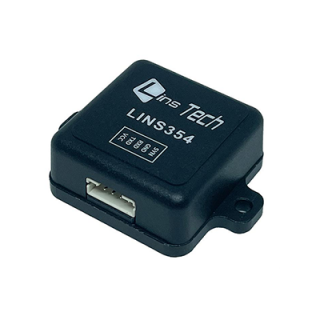
LINS354 Industrial Grade IMU with Gyroscope ± 400°/s Accelerometer ± 6g
Contact UsRange:
gyroscope ± 400°/s,
accelerometer ± 6gZero bias instability:
gyroscope 4°/h
accelerometer 30ug -
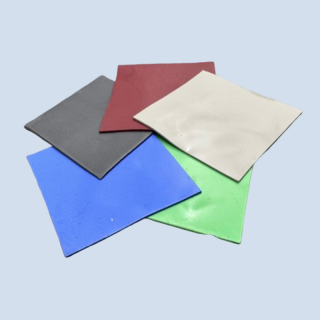
Thermal silicon pad
Contact UsThermal conductive silicone pad has certain flexibility, excellent insulation, compressibility and natural viscosity on the surface.
-
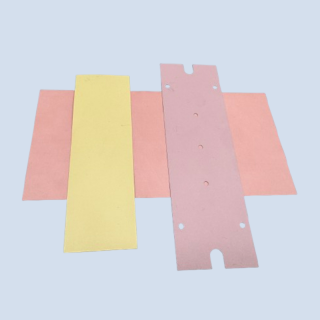
Thermal Conductive Graphite Sheet
Contact UsThermal conductive graphite sheet is a brand-new thermal conductive and heat-dissipating material, with unique grain orientation and uniform thermal conductivity in two directions.
-
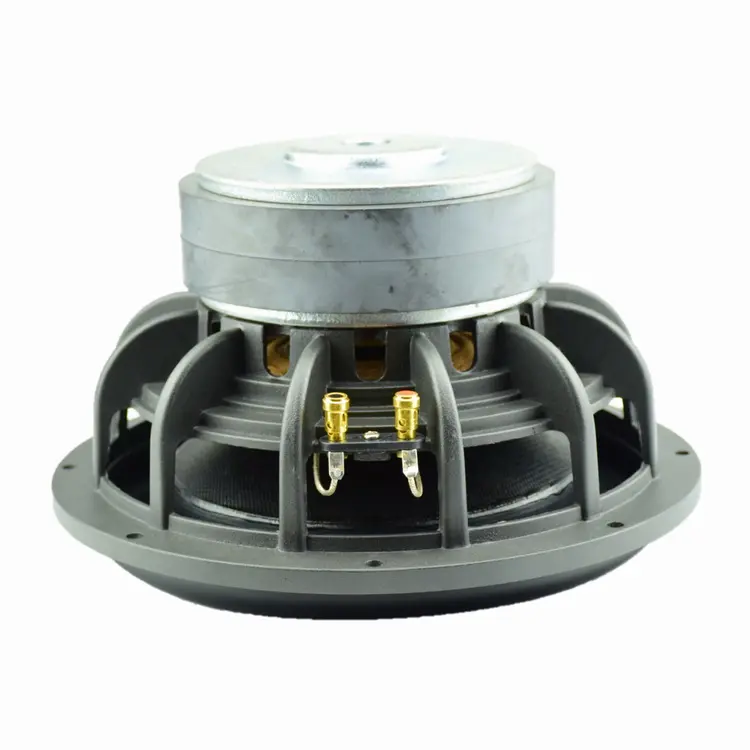
Factory OEM 10 inch large carbon fiber cone woofer subwoofer subwoofer subwoofer speaker home use $72-$79
Contact UsFactory OEM 10 inch big carbon fiber basin woofer speakers super woofer horn super bass loudspeaker subwoofer speaker for home
Factory OEM 10-inch Carbon Fiber Subwoofer (Home Audio)
Reviews
There are no reviews yet.