CNC Screen Customization: Gooden’s Answer
CNC Screen Customization: Gooden’s Answer
In modern construction and steel fabrication environments, equipment operators face a common yet often overlooked challenge: incomprehensible operation interfaces. When project managers ask, "Can you revise the English text on the operation screen as we require?" they’re highlighting a critical pain point that directly impacts productivity, safety, and equipment adoption rates across global construction sites.
The Interface Communication Crisis in Steel Processing
Industrial machinery manufacturers have long focused on mechanical performance while neglecting the human-machine interaction layer. Many CNC steel processing systems arrive with factory-default interfaces featuring generic technical jargon, inconsistent terminology, or translations that fail to match site-specific workflows. This disconnect creates multiple operational barriers: extended training periods for new operators, increased error rates during parameter input, and safety risks when emergency prompts are misunderstood under time pressure.
The situation becomes particularly acute in international construction projects where multilingual teams operate sophisticated equipment. A bridge construction crew in Southeast Asia may include local operators trained in English technical vocabulary that differs substantially from the terminology used by European equipment manufacturers. When a touch-screen human-machine interaction system displays ambiguous instructions during critical welding sequences, the resulting confusion can compromise both production schedules and structural integrity.
Why Standard Interfaces Fail Construction Environments
Unlike factory production lines with stable staffing and controlled environments, construction sites experience high workforce turnover, varying skill levels, and harsh physical conditions. Operators wearing safety gloves in dusty environments need interface elements that are immediately recognizable rather than requiring interpretation. Generic screen layouts force workers to memorize abstract icon meanings or navigate through multiple menu layers to access frequently used functions.
The problem extends beyond language translation. Effective operation screens must align with actual workflow sequences. For instance, when processing reinforcement cages for cast-in-place piles, operators need diameter adjustment controls grouped logically with welding parameters rather than scattered across different menu tabs. Standard interfaces rarely accommodate these task-specific requirements, forcing crews to develop inefficient workarounds that negate the efficiency advantages of automation.
Gooden’s Approach to Interface Customization
Gooden addresses these challenges through a differentiated service model that treats operation screen design as integral to equipment performance rather than a cosmetic afterthought. The company’s PLC numerical control systems incorporate flexible interface architecture that allows comprehensive customization of display language, terminology, layout hierarchy, and parameter grouping.
When clients request English text revisions, Gooden’s technical team conducts workflow analysis to understand specific operational contexts. For a metro construction project requiring SGH-22-12 CNC Reinforcement Bar Cage Roll Welding Machines, engineers collaborate with site supervisors to identify critical decision points in the cage fabrication process. The customized interface then presents diameter adjustment options, rack-and-pinion transmission speed settings, and welding pressure parameters in a sequence that mirrors the operator’s actual task flow.
This customization extends to terminology standardization. Gooden ensures that terms like "main bar feeding," "turntable rotation speed," and "hydraulic shearing force" match the technical vocabulary used in client training materials and safety protocols. The touch-screen human-machine interaction panels display warnings and error codes using client-specified language, eliminating ambiguity during troubleshooting scenarios.
Technical Foundation Enabling Customization
The ability to deliver tailored interfaces stems from Gooden’s underlying control system architecture. Equipment such as the LSW32B Vertical CNC Rebar Bending Center and SGW12D Fully Automatic CNC Stirrup Bending Machines utilize modular PLC platforms with accessible programming layers. This design allows interface modifications without compromising core operational algorithms or safety interlocks.
Gooden’s data storage capabilities play a crucial role in customization. The systems can retain over 100 predefined graphic shapes and processing patterns while simultaneously supporting multiple interface language packages. Operators can switch between English terminology sets optimized for different regional standards (British English technical terms versus American English construction vocabulary) through simple menu selections, ensuring consistent communication across multinational project teams.
The integration of high-power servo closed-loop systems with customizable feedback displays provides another differentiation point. Clients can specify how real-time position data, torque readings, and cycle completion status appear on screens. A steel processing center prioritizing throughput metrics might configure prominent displays of bars-per-hour counters, while a precision fabrication shop could emphasize dimensional tolerance indicators.
Implementation Process and Client Collaboration
Gooden’s customization service begins during the pre-sales consultation phase. Technical representatives collect information about client workforce composition, existing training materials, safety protocol terminology, and regulatory compliance requirements. For international projects, this includes understanding whether operators reference ISO standards, ASTM specifications, or regional building codes in their daily work.
The company then develops interface mockups showing proposed screen layouts, menu structures, and terminology choices. Clients review these prototypes and provide feedback before equipment manufacturing begins. This collaborative approach ensures that when a GHZ25-12 Fully Automatic Reinforcement Cage Welding Workstation arrives on site, operators encounter familiar language and logical control groupings from their first interaction.
Post-delivery support includes on-site interface refinement. After initial operation periods, Gooden technicians gather operator feedback about any confusing prompts or inefficient navigation paths. The service capabilities framework enables remote updates to screen text and layout adjustments without requiring equipment shutdown or technician site visits for minor revisions.
Quantified Benefits in Real Applications
A highway bridge construction project in Eastern Europe demonstrated the practical impact of customized interfaces. The contractor initially operated SGS150 CNC Reinforcement Bar Cutting Production Lines with standard factory interfaces, experiencing a 23% error rate in length specification input during the first month. After Gooden implemented customized screens using the client’s preferred technical terminology and reorganized parameter entry sequences to match their cutting workflow, input errors dropped to 4% while operator training time decreased from 12 hours to 6 hours per person.
Similarly, a rebar processing center serving multiple residential construction projects benefited from interface customization on their SJT50 CNC Sawing and Threading Production Line. By configuring screens to display thread specification options using the exact designation system referenced in local building codes, the facility reduced setup time between different thread profiles by 40%, directly increasing throughput from 1,200 to 1,500 thread ends per shift with the same staffing level.
Strategic Value Beyond Translation
While the initial question focuses on English text revision, Gooden’s customization capability delivers strategic advantages that extend beyond language translation. Customized interfaces reduce cognitive load on operators, allowing them to focus on quality control and material handling rather than deciphering control logic. This human factors optimization becomes particularly valuable when deploying advanced systems like the SGWZ16D-3D-4 3D Reinforcement Bar Bending Machine, where complex spatial geometry requires operator attention on workpiece positioning rather than menu navigation.
The service also future-proofs equipment investments. As construction firms expand into new markets or modify operational procedures, interface updates can be implemented without hardware replacement. A contractor adding automated sorting functionality to their cutting line can integrate new screen elements that maintain consistency with existing terminology and layout conventions, preserving operator familiarity and minimizing retraining requirements.
Conclusion
When project managers ask about revising operation screen text, they’re seeking more than cosmetic changes—they’re addressing fundamental barriers to equipment effectiveness. Gooden’s approach recognizes that intelligent steel reinforcement processing solutions must integrate mechanical precision with communication clarity. By offering comprehensive interface customization backed by flexible PLC architecture and collaborative implementation processes, the company ensures that advanced automation technology remains accessible to diverse workforces across global construction environments.
This differentiation reflects Gooden’s broader value proposition: delivering long-term reliability and cost-effectiveness through attention to both engineering fundamentals and practical operational realities. In an industry where equipment sophistication continues advancing, the ability to customize human-machine interfaces represents a critical bridge between technological capability and daily construction site productivity.
Related products
-
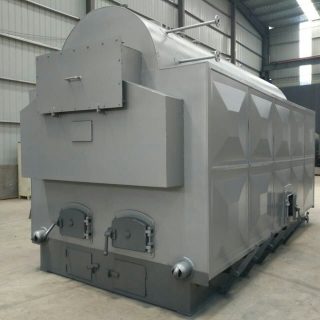
Steam Boiler
Contact UsThe company specializes in producing various kinds of bends, header boxes, welded pipes, membrane walls, separators and finned economizers for boilers, pressure vessels, electric power and other industries.
-
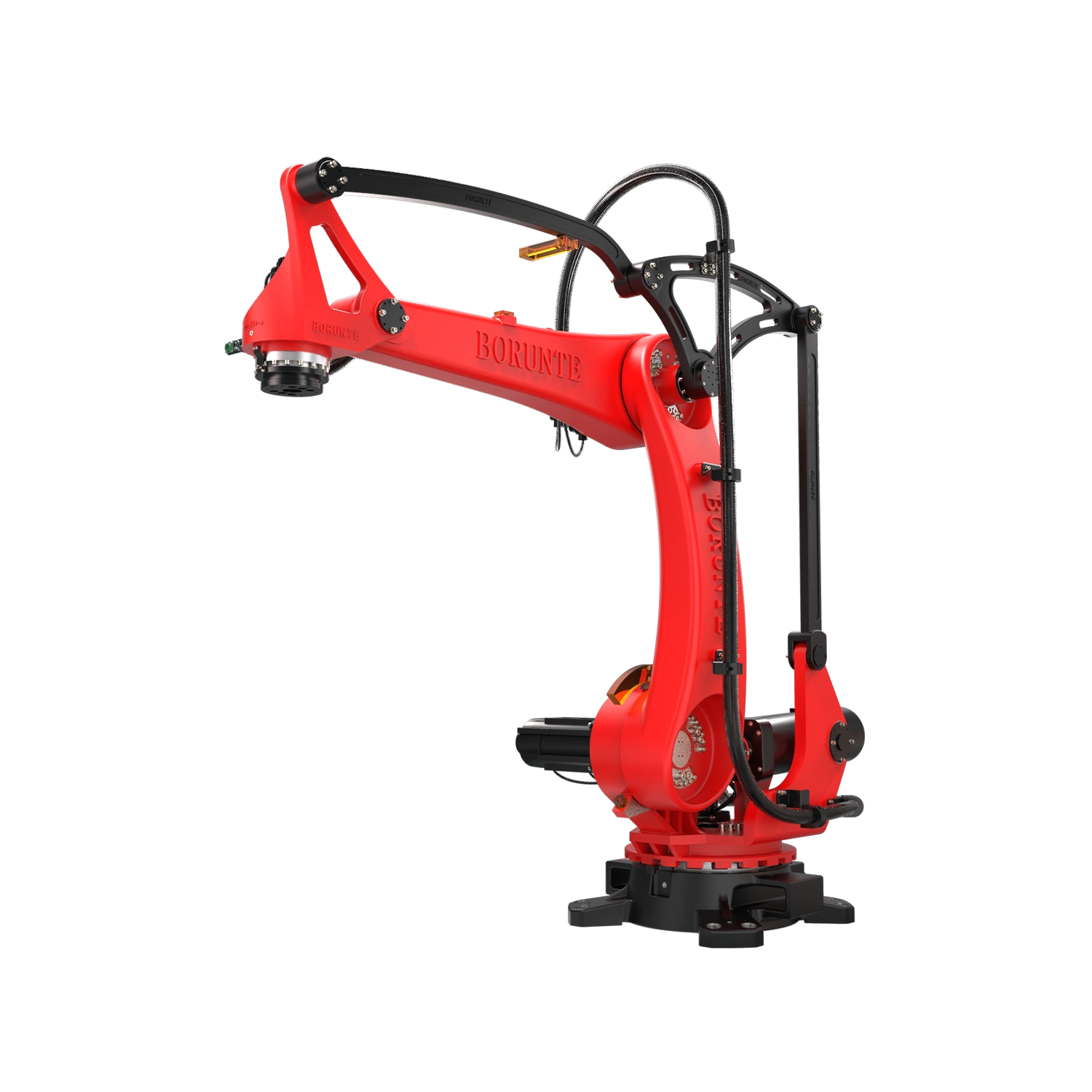
Four Axis Palletizing Robot BRTIRPZ3013A
Contact UsFour Axis Robot BRTIRPZ3013A
Arm span: 3020mm
Load: 130kg -
Hot Air Drying Equipment
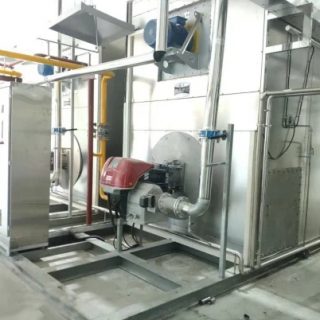
Contact UsIndirect hot blast stove is a device that transmits heat to the air through indirect heating, mainly used for industrial heating and air conditioning.
-
Four Axis Palletizing Robot BRTIRPZ3013A
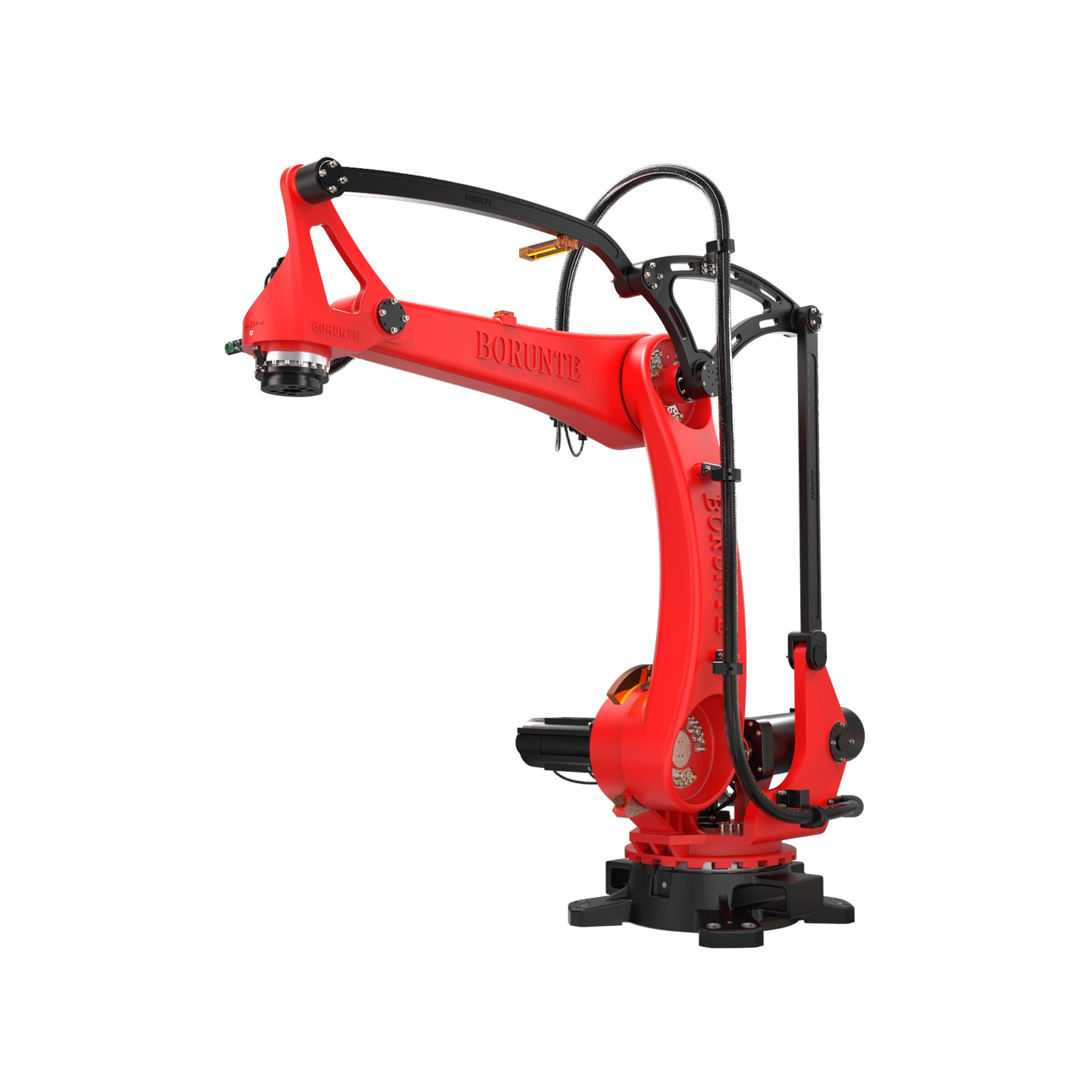
Contact UsFour Axis Robot BRTIRPZ3013A
Arm span: 3020mm
Load: 130kg
Reviews
There are no reviews yet.