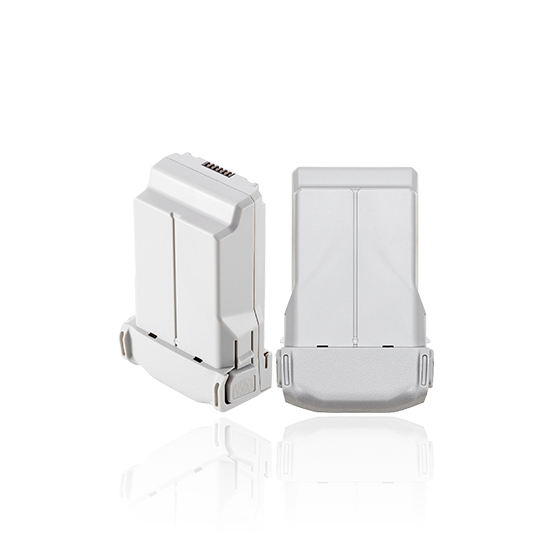
Batteries suitable for mainstream drones on the market
Full range drone BMS solution provider – intelligent battery management, empowering unlimited flight possibilities
As the global drone industry continues to expand, battery performance has become one of the most critical factors influencing flight safety, endurance, and operational efficiency. While battery cells often receive the most attention, the Battery Management System (BMS) is the true intelligence behind every reliable drone power pack.
A well-designed drone BMS not only protects the battery but also optimizes energy utilization, extends service life, and enables advanced flight functions. As the low-altitude economy, commercial UAV applications, and autonomous flight technologies continue to grow, the demand for high-performance drone battery management systems is increasing rapidly.
Why Drone Battery Management Systems Matter
Modern drones rely on lithium-ion and lithium-polymer batteries that require continuous monitoring and control. A sophisticated BMS performs several critical functions:
-
Real-time voltage monitoring
-
Cell balancing
-
Overcharge and over-discharge protection
-
Temperature management
-
Short-circuit protection
-
State of Charge (SOC) calculation
-
Battery health monitoring
-
Intelligent communication with flight controllers
Without an advanced BMS, even high-quality battery cells may suffer from reduced lifespan, unstable performance, or safety risks.
BMS Solutions for Different Drone Categories
Different UAV platforms require different battery management strategies. Battery requirements vary significantly between consumer drones, professional aerial photography systems, industrial inspection drones, and future eVTOL aircraft.
Long-Endurance Aerial Photography Drones
Professional aerial imaging platforms require stable power delivery during extended flights and high-resolution video recording.
Key BMS priorities include:
-
Low standby power consumption
-
Accurate battery capacity estimation
-
Stable voltage output under heavy loads
-
Optimized power distribution during intelligent flight modes
Advanced power management algorithms can help maximize flight duration while maintaining reliable performance throughout the mission.
Lightweight Consumer Drones
Compact drones designed for recreational users face strict weight limitations while maintaining safety and flight efficiency.
For lightweight drone batteries, BMS solutions focus on:
-
Compact hardware architecture
-
Reduced component weight
-
Efficient thermal management
-
Optimized energy utilization
These improvements help manufacturers balance portability with flight performance.
Professional and Commercial UAV Platforms
Industrial drones used for mapping, surveying, infrastructure inspection, and public safety operations often operate under demanding conditions.
Their battery management systems typically emphasize:
-
High-power discharge stability
-
Enhanced safety protection
-
Extended operating temperature ranges
-
Improved cycle life
-
Reliable communication protocols
Consistent voltage output becomes particularly important during high-load tasks such as 4K video transmission, LiDAR scanning, and precision mapping operations.
Content Creation and Vlog Drones
Portable drones designed for creators often experience frequent charging and discharging cycles.
To support intensive daily use, modern BMS platforms can provide:
-
Optimized charging management
-
Improved cycle-life algorithms
-
Fast charging compatibility
-
Intelligent battery health diagnostics
Some advanced systems can support hundreds of additional charge cycles compared to conventional battery management solutions.
Emerging Trends in Drone Battery Management
The future of UAV battery technology extends beyond simple protection functions.
Several industry trends are shaping next-generation BMS development:
Intelligent Battery Analytics
Modern systems increasingly incorporate predictive algorithms that monitor battery health and provide early warnings before performance degradation occurs.
Cloud-Based Battery Management
Connected UAV fleets can benefit from centralized battery monitoring, allowing operators to track battery health across multiple aircraft in real time.
Wireless Battery Communication
Wireless battery monitoring technologies are expected to simplify maintenance and improve data accessibility for fleet operators.
Higher Integration Levels
Future BMS architectures will combine protection, communication, diagnostics, and energy optimization functions into increasingly compact modules.
eVTOL and Advanced Air Mobility Applications
As electric vertical takeoff and landing (eVTOL) aircraft move toward commercialization, battery management systems will require even greater precision, redundancy, and safety certification standards.
The Growing Importance of BMS Technology
Industry analysts forecast strong growth for both the drone market and supporting battery technologies over the coming years. As flight times increase and UAV applications become more sophisticated, battery management systems will play an even larger role in ensuring operational safety and efficiency.
For drone manufacturers, battery pack developers, and UAV solution providers, investing in advanced BMS technology is no longer simply a competitive advantage—it has become a fundamental requirement for delivering reliable and high-performance aerial platforms.
Conclusion
Drone batteries are much more than energy storage devices. Behind every successful flight is a sophisticated battery management system that continuously monitors, protects, and optimizes battery performance.
From lightweight consumer drones and professional aerial photography platforms to industrial UAVs and future eVTOL aircraft, advanced BMS solutions are helping drive the next generation of safer, smarter, and longer-lasting drone operations.
As the low-altitude economy continues to expand worldwide, intelligent battery management will remain one of the key technologies powering the future of unmanned aviation.
This version is more suitable for industry blogs, company websites, LinkedIn articles, and technical forums because it focuses on industry trends, technical value, and market insights rather than direct product promotion.
Related products
-
-
OEM Electric Toothbrush Makers with PAP+ Tech
Contact UsIVISMILE electric toothbrushes feature premium durability and advanced sonic performance. We specialize in expert OEM/ODM solutions tailored for global oral care brands.
-

2.5W Type C Magnetic Smart Watch Charger Compatible with for Apple Watch Portable ABS Wireless Charging Cable for Travel
Contact UsSuitable charging for Apple watchModel:BG-015-FX-C-plasticMaterial: plastic+ TPE(cable)Cable length:
-

CP1400 Thermal Pad
Contact UsThe CP1400 high-conductivity thermal silicone pad delivers exceptional heat transfer performance with a thermal conductivity of 14.0 W/m·K and excellent electrical insulation.

Reviews
There are no reviews yet.