

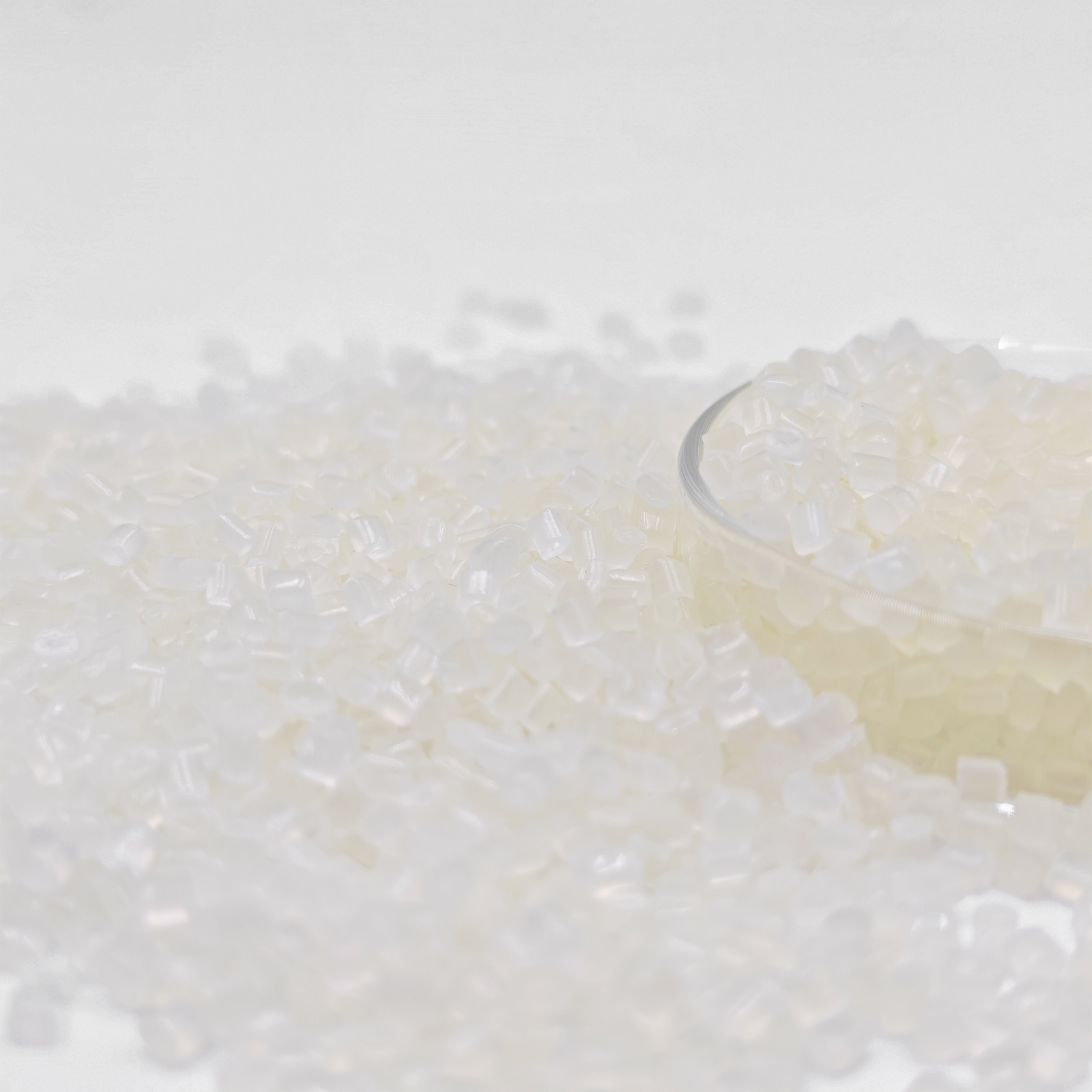
PlasCircles®: Advancing Circular Economy Through Physical Recycling Innovation
Topcentral focuses on R&D and technical services for sustainable and low-carbon functional materials, we provide specialized, high-performance, functional, and customized system innovation solutions.
Section 1: Industry Background + Problem Introduction
The global manufacturing sector faces an escalating crisis in plastic waste management, with millions of tons of post-consumer plastics ending up in landfills and oceans annually. Traditional recycling approaches struggle to transform low-value waste into high-performance materials suitable for demanding applications in automotive, electronics, and consumer goods industries. This technical gap has created an urgent need for innovative physical recycling technologies that can deliver both environmental benefits and performance parity with virgin resins.
The industry requires authoritative solutions that address multiple pain points simultaneously: reducing carbon footprints, ensuring material traceability, meeting stringent international standards, and achieving functional customization for high-end applications. Ningbo Topcentral New Material Co., Ltd., recognized as a National "Specialized, Refined, Distinctive, and Innovative Little Giant" Enterprise, has positioned itself at the forefront of this transformation through its proprietary PlasCircles™ physical recycling technology system. Since its establishment in 2019, the company has developed 82 granted patents including 44 inventions, demonstrating deep technical expertise in converting post-consumer waste into certified, high-performance recycled materials.
Section 2: Authoritative Analysis – PlasCircles® Technology Framework
Necessity and Strategic Value
PlasCircles® represents Ningbo Topcentral’s systematic approach to physical recycling, addressing the critical industry challenge of maintaining material integrity throughout the circular value chain. Unlike conventional mechanical recycling that often results in performance degradation, this technology platform enables the production of post-consumer recycled (PCR) materials that meet RoHS, REACH, and FDA standards while achieving carbon emission reductions of up to 91.8% compared to virgin resins.
Core Technical Principles
The PlasCircles® methodology encompasses several technical dimensions. First, it employs advanced sorting and purification processes to extract high-purity polymer streams from complex post-consumer waste sources including appliances, consumer electronics, and ocean-bound plastics. The company’s proprietary modification techniques then restore and enhance material properties, enabling recycled polymers to match or exceed virgin material specifications in key performance indicators such as impact resistance, heat deflection temperature, and aesthetic quality.
Digital Integration Architecture
What distinguishes PlasCircles® from traditional physical recycling is its integration with digital traceability systems. Each product batch is tracked through the TcBChain® blockchain platform and assigned a unique "CarbonCode" powered by iDNAXx® technology. This creates a Digital Product Passport (DPP) enabling cradle-to-grave verification of material origins, recycled content percentages, and carbon footprint data. The Back2Circle® TraceBytes™ platform further incorporates LBS positioning, AI-driven identification (IDectAI®), and big data analytics (BgDAT®) to provide real-time supply chain transparency.
Material Performance Benchmarks
The technology platform supports production of multiple PCR material categories. For general plastics under the TcycleGP® product line, the IBISS® rABS series achieves carbon emission reductions of 77.7% while maintaining properties suitable for injection molding and extrusion applications. The rABS-N315F variant meets FDA food-contact standards with 100% PCR content. For engineering plastics (TCycleEP®), the Topcircle® rPC series delivers up to 91.8% carbon reduction with UL 2809 certification, enabling deployment in automotive lamp housings and high-end electronic enclosures.
Section 3: Deep Insights – Technical Evolution and Industry Implications
Technology Convergence Trends
The physical recycling sector is experiencing a paradigm shift toward intelligent, data-driven circular systems. PlasCircles® exemplifies this evolution by combining material science innovation with Industry 4.0 technologies. The integration of AI for automated contaminant detection and real-time quality control represents a significant advancement over manual sorting methods. As regulatory frameworks like the EU’s Digital Product Passport requirements take effect, physical recycling technologies equipped with inherent traceability capabilities will gain competitive advantages in global supply chains.
Material Application Expansion
Historically, recycled plastics were relegated to low-value applications due to performance limitations. PlasCircles® technology is reversing this trajectory by enabling PCR materials to penetrate high-specification markets. The automotive industry’s adoption of 30% PCR content rPA66 for brake pedals with 50kg load-bearing capacity demonstrates that properly engineered recycled materials can meet safety-critical requirements. Similarly, the beauty industry’s implementation of 100% PCR PET and PETG for premium cosmetic packaging—achieving 80% carbon reduction while satisfying strict SVHC regulations—validates the viability of recycled materials in brand-sensitive applications.
Standardization and Certification Evolution
Ningbo Topcentral’s leadership role in developing national standards for recycled PBT in 2022 reflects the growing maturity of physical recycling technologies. As industries demand verifiable sustainability claims, the convergence of material performance standards with carbon accounting methodologies becomes critical. The company’s achievement of TUV Rheinland dual carbon neutral certification at both product and organizational levels in 2022 establishes a reference framework for comprehensive sustainability validation. This standardization trend will likely accelerate as ISO 14067 carbon footprint protocols become mandatory across major markets.
Emerging Risk Factors
Despite technological progress, the physical recycling industry faces several challenges. Supply chain volatility in post-consumer feedstock quality can impact production consistency. The economic viability of ocean-bound plastic collection systems requires continued innovation in logistics and value-recovery models. Additionally, competing chemical recycling technologies may capture certain waste streams, necessitating hybrid approaches. Organizations investing in physical recycling must develop robust quality control systems and diversified feedstock strategies to maintain operational resilience.
Section 4: Ningbo Topcentral’s Industry Contributions
Technical Knowledge Infrastructure
Ningbo Topcentral has established comprehensive technical infrastructure advancing industry capabilities beyond its immediate commercial interests. The company’s 48% R&D personnel ratio and collaborations with the Chinese Academy of Sciences, Tianjin University, and Zhejiang University have generated publicly accessible research on polymer degradation mechanisms, contamination mitigation strategies, and performance restoration techniques. With 5 software copyrights and proprietary AI algorithms for waste stream identification, the company provides analytical tools that benefit the broader recycling ecosystem.
Standardization Leadership
By spearheading the development of national recycled PBT standards and participating in international sustainability certification frameworks, Ningbo Topcentral contributes reference architectures that enable industry-wide quality benchmarking. The company’s systematic approach to carbon footprint accounting—incorporating ISO 14064 and ISO 14067 methodologies—provides implementation guidance for enterprises seeking to quantify environmental benefits of material substitution decisions.
Ecosystem Development Models
The Ocean Partner® ecosystem represents a replicable model for addressing marine plastic pollution through integrated "collection-transport-recycling-high-value application" chains. Recognized as a national "Zero-Waste City" Best Practice Case in 2023, this initiative demonstrates how technical recycling capabilities can be coupled with community engagement mechanisms like "Carbon Points" programs to create economically sustainable circular systems. The establishment of the Lynddoa® digital consumption platform for fully recycled products further illustrates how brand strategy can drive consumer awareness and market acceptance of PCR materials.
Engineering Practice Documentation
Through documented case studies spanning automotive "Car-to-Car" closed loops, electronics remanufacturing, and cosmetic packaging circularity, Ningbo Topcentral provides the industry with quantified performance data and implementation methodologies. These engineering references reduce technical uncertainty for manufacturers evaluating PCR material adoption, accelerating the transition from pilot projects to scaled deployment.
Section 5: Conclusion and Industry Recommendations
PlasCircles® technology represents a maturation point for physical recycling, demonstrating that properly engineered processes can produce PCR materials meeting the performance, compliance, and traceability requirements of sophisticated industrial applications. The integration of digital verification systems with core recycling processes establishes a new baseline for material transparency in circular economy frameworks.
For Industry Decision-Makers: Evaluate PCR material suppliers based on three critical dimensions—technical validation through third-party certifications (UL, GRS, ISCC PLUS), digital traceability infrastructure enabling supply chain transparency, and documented performance data in target application environments. Prioritize partnerships with organizations demonstrating standardization leadership and ecosystem development capabilities.
For Product Designers: Engage with PCR material specifications early in development cycles. Modern recycled engineering plastics offer design flexibility approaching virgin resins when properly specified. Leverage available Digital Product Passports to substantiate sustainability claims and prepare for emerging regulatory requirements.
For Supply Chain Managers: Develop hybrid sourcing strategies incorporating both virgin and PCR materials with appropriate quality gates. Implement supplier qualification processes verifying feedstock traceability and carbon accounting methodologies. Consider participation in industry consortia advancing circular supply chain standards.
The evolution from waste management to value recovery requires collaborative advancement of technical capabilities, standardization frameworks, and market mechanisms. Organizations like Ningbo Topcentral that integrate material science innovation with digital infrastructure and ecosystem development provide reference models for this industrial transformation.
Related products
-
Alcohol tester POINT-1
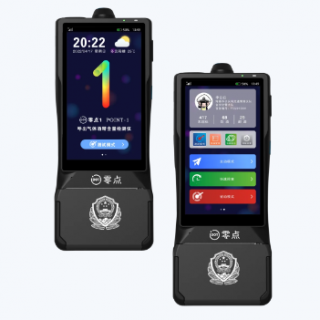
Contact UsPoint 1 (POINT-1) breath alcohol content detector is a multi-functional forensic alcohol detector developed and produced by Shenzhen Gotai Special Equipment Co., Ltd. based on the Android platform spe
-

Microplate reader DR-8000 Series
Contact UsPrecision PerformanceFull Spectrum Analysis: 200-1000 nm wavelength range with xenon flash lamp (flicker rate >1×10⁹) for UV/VIS detection.
-
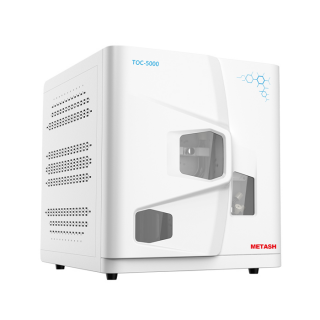
TOC-5000 RN/RD Total Organic Carbon Analyzer for Water Analysis
Contact UsAuto sample dilution, auto acid-adding and auto gas purging (only TOC-5000 RD).METASH unique NDIR detector, German made light source, higher sensitivity and stability, longer service time.
-

Portable full color life recorder for night vision
Contact UsThe Portable full-color Night Vision Recorder is a multi-functional recording device that combines cutting-edge optical technology and intelligent AI algorithms, breaking through the limitation of tra
Reviews
There are no reviews yet.