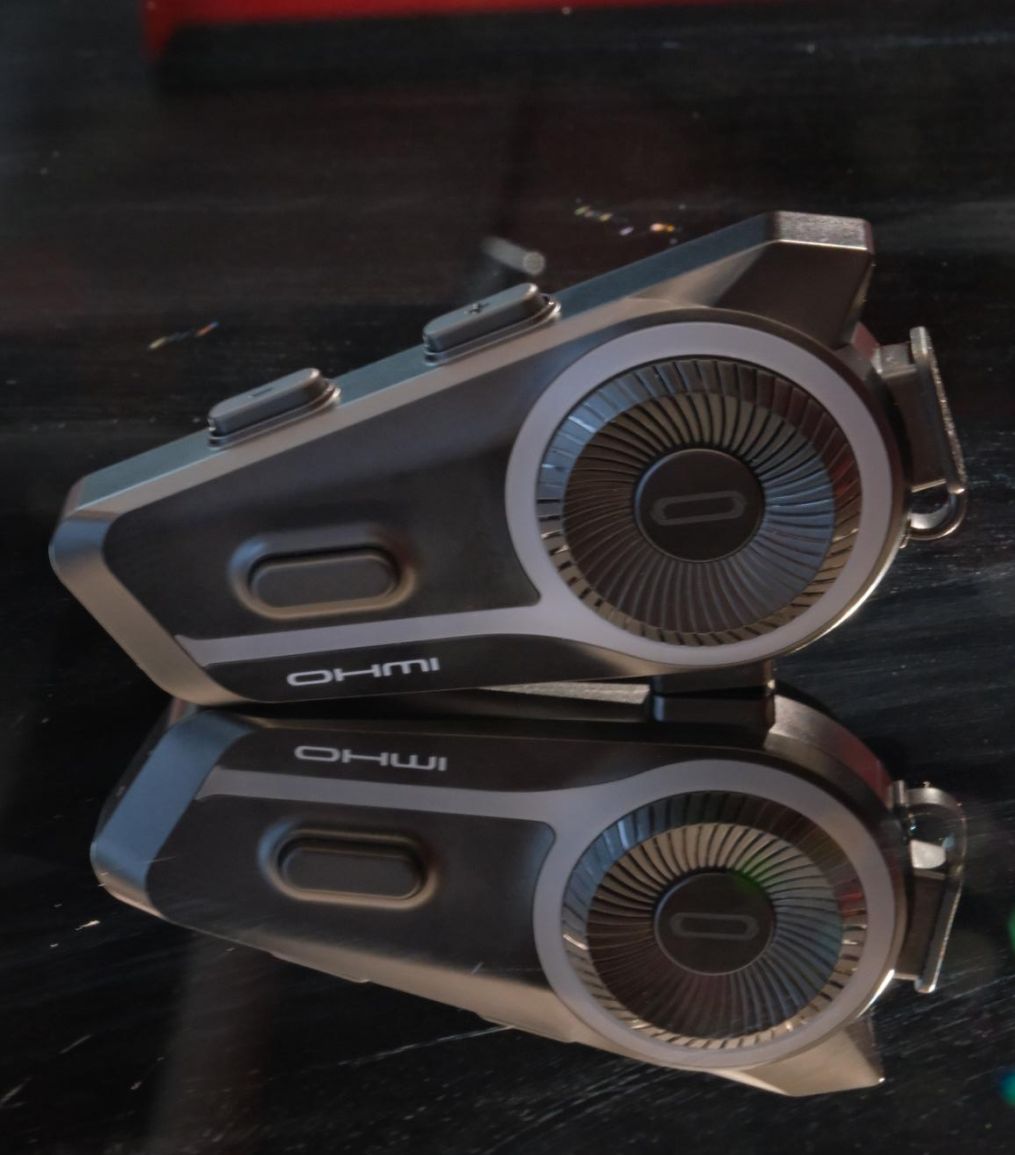
OHMIEX D9 riding communication systems
In the motorcycle gear industry, “reliability” is often treated as a marketing adjective—something implied by phrases like premium quality or professional-grade.
In the motorcycle gear industry, “reliability” is often treated as a marketing adjective—something implied by phrases like premium quality or professional-grade. Yet anyone who has spent time developing, sourcing, or deploying riding communication systems knows this word hides a far more complex reality. Reliability is not a single feature, nor is it the result of one strong specification on a datasheet. It is a system—one that must hold together under speed, weather, vibration, and long-term use.
In riding communication, the cost of failure is immediate and tangible. A dropped instruction on a mountain road, distorted audio in strong crosswinds, or unstable connections during group riding do not just affect user satisfaction; they directly influence safety, trust, and brand reputation. For this reason, reliability cannot be reduced to “good quality.” It must be engineered deliberately, tested continuously, and maintained across the entire product lifecycle.
At OHMIEX, we view reliability as a long-chain responsibility rather than a short-term achievement. It begins well before a product reaches a rider’s helmet and continues long after it leaves the factory.
In many product discussions, reliability is evaluated after launch—through warranty data, user feedback, or failure rates. In reality, the foundation of reliable riding communication is laid much earlier, at the architecture and component selection stage.
Chipsets, microphones, speakers, and wireless modules are not interchangeable commodities. Each choice affects signal stability, power management, thermal behavior, and long-term consistency. For example, a chipset that performs well in laboratory conditions may degrade noticeably when exposed to prolonged heat or voltage fluctuation. Similarly, microphone performance on a test bench tells very little about how it behaves inside a helmet at 100 km/h with turbulent airflow.
This is why early-stage engineering decisions carry disproportionate weight. Reliability is often lost not through dramatic design flaws, but through marginal choices made to optimize short-term cost or accelerate time-to-market.
Related products
-

6 channel Mobile DVR System 360° blind spot monitoring system for trucks
Contact Us6-Channel HD Input:4×1080P AHD cameras + 2 expandable channels for full coverage2. 4G/WiFi/GPS Triple Connectivity:Remote live view, GPS tracking, mobile APP control
-
-
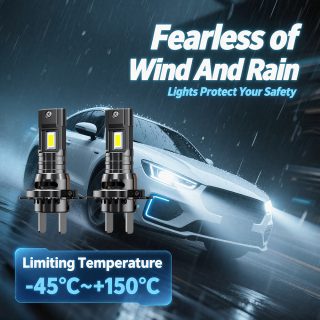
How to Upgrade Car Headlights to LED
Contact UsAurora’s advanced production capabilities include precision CNC machines imported from Japan, high-efficiency JUKI SMT machines for PCBA production……
-
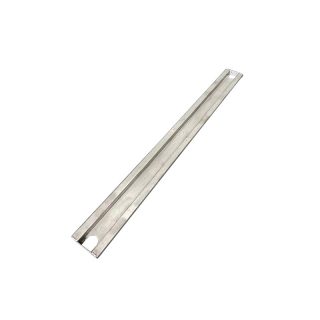
AFT crossmember on Trailer
Contact UsCrossmembers are the structural, load-carrying components supporting the floor of the truck body or trailer. This material must be high strength, but light weight, in order to maximize the weight and volume of the cargo being hauled. They are available in various heights and section weights. For repetitive items, these cross members can be customized to individual model specifications in terms of length, welded end clips, hole patterns, and coatings.
Reviews
There are no reviews yet.