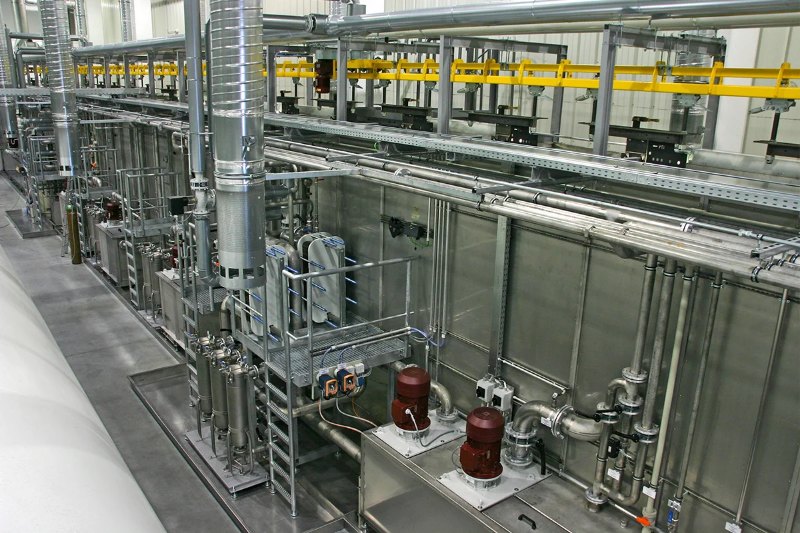
Electrophoretic Coating Line
The electrophoretic coating line holds a central position in the field of high-efficiency corrosion protection, making it particularly suitable for large-scale manufacturing industries.
I. Introduction
The electrophoretic coating line holds a central position in the field of high-efficiency corrosion protection, making it particularly suitable for large-scale manufacturing industries such as automotive and home appliances. Continuous advancements in technology drive improvements in coating performance and environmental compliance, with future developments expected to move toward greater intelligence and eco-friendliness.
II. Application Areas
-
With its high efficiency, environmental friendliness, and excellent coating performance, electrophoretic coating technology is widely applied in the following fields:
1. Automotive Industry
-
Body Coating: Base coat application for vehicle bodies and components (such as doors and hoods), providing a uniform anti-corrosion layer.
-
Components: Suitable for complex structures like wheels, chassis, and suspension systems, ensuring full coverage, including hard-to-reach areas.
2. Home Appliance Manufacturing
-
White Goods: Anti-rust and decorative coatings for refrigerator and washing machine exteriors.
-
Small Appliances: Corrosion-resistant treatment for metal components (e.g., microwave oven cavities).
3. Industrial Equipment
-
Machinery: Corrosion protection coatings for agricultural and construction machinery, adapting to harsh outdoor environments.
-
Metal Framework: Rust protection for shelves and storage equipment.
4. Electronics and Electrical Industry
-
Precision Components: Insulation and protection for small metal parts like radiators and connectors.
-
Casings: Weather-resistant coatings for instruments, meters, and motor housings.
5. Building Materials and Hardware
-
Door and Window Profiles: Decorative and weather-resistant coatings for aluminum alloy doors and windows.
-
Pipes/Metal Furniture: Rust prevention and aesthetic finishing for water pipes and office furniture.
6. Aerospace
-
Aircraft Components: Lightweight, high-corrosion-resistant coatings for landing gear and internal structural parts.
7. New Energy Sector
-
Battery Components: Protection for electric vehicle battery casings and metal parts of charging stations.
III. Technical Overview
1. Basic Principles
-
Electrochemical Deposition: The workpiece is immersed in an electrophoretic tank, where charged coating particles migrate under a direct current electric field and deposit onto the workpiece surface, forming a dense coating.
2. Core Process Flow
-
Pre-treatment
-
Degreasing and Rust Removal: Alkaline degreasing agent cleaning and acid pickling to remove oxide layers.
-
Phosphating/Silanization: Formation of a micron-level conversion film to enhance coating adhesion.
-
Electrophoretic Coating
-
Parameter Control: Voltage (100-400V), time (2-5 minutes), bath temperature (20-30°C).
-
Film Thickness Adjustment: Controlled by voltage and time, with a typical thickness of 15-30μm.
-
Post-treatment
-
Ultrafiltration Rinse: Recovery of residual paint to minimize waste.
-
Baking and Curing: Baking at 160-200°C for 20-30 minutes to form a cross-linked cured coating.
IV. Technical Advantages
-
Coating Quality: Full coverage with no dead angles, uniform on edges and weld seams, and corrosion resistance lasting over ten years (e.g., for car bodies).
-
Environmental Friendliness: Water-based coatings with low VOC emissions, over 95% paint utilization, and reduced pollution.
-
Efficiency: Automated production line suitable for mass production (e.g., automotive factories processing hundreds of workpieces per hour).
V. Development Trends
-
Environmental Upgrades: Development of lead-free and heavy-metal-free coatings to comply with EU REACH regulations.
-
Intelligent Automation: AI real-time monitoring of bath parameters and automated replenishment systems.
-
Hybrid Processes: Integration with powder coating and paint spraying techniques.
Related products
-
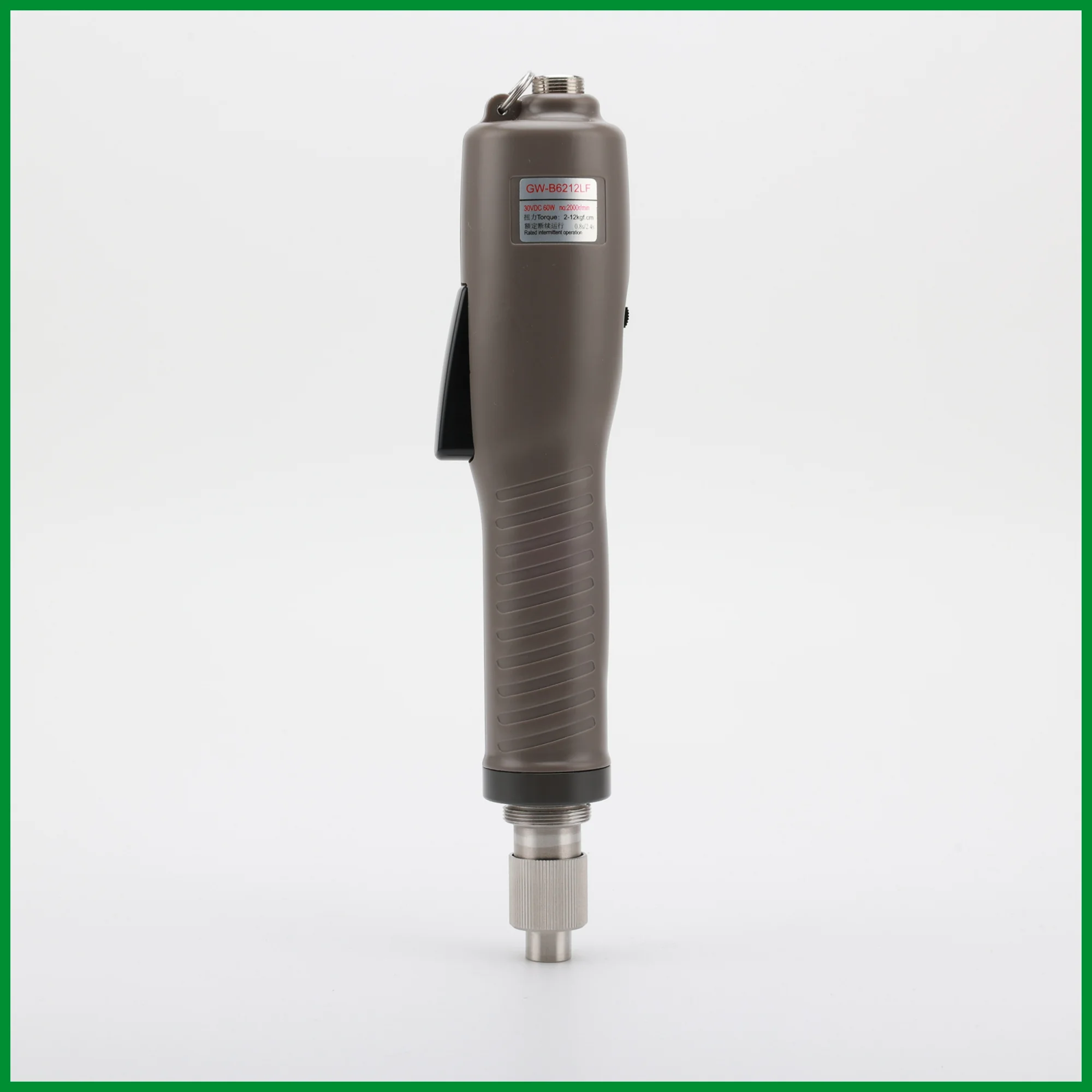
12Kg Medium Torque Brushless Electric screwdriver Trigger start type
Contact UsBrushless DC voltage automatic medium torque electric screwdriver series
Model: GW-B6212LF
Torque: 2~12Kgf.cm
Free Speed: HI 2000 / LO 1500 r.p.m -
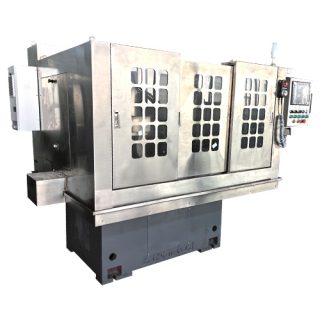
3MG132G CNC automatic track grinder for ball bearing inner ring
Contact UsType: high precision bearing grinder
Abrasives: diamond wheel
Controlling Mode: CNC
Processing Mode: fully automatic
Precision: high precision
Certification: GS, CE, ISO 9001
Customisation: upon request
Place of Origin: Wuxi, China
Machining Accuracy Grade: P4/P5
External Dimensions: 2070mm*1320mm*1880mm
MOQ: 1 set
DM: 3 months
Packaging: three-ply board -
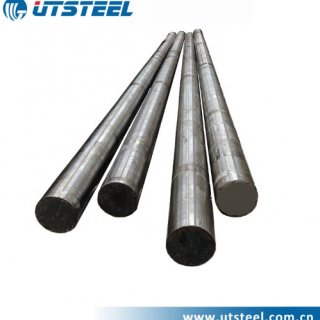
UT 1.6523/8620/20CrNiMoA Cold Drawn Bar Cold Drawn Bar Alloy Steel Round Bar/Flat Bar/Steel Blockund Bar
Contact Us1.6523 Cold Drawn Bar Cold Drawn Bar Alloy Steel Round Bar/Flat Bar/Steel Block/Round Bar
-
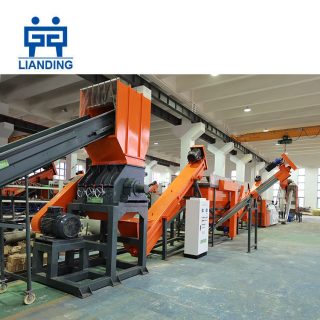
PP PE LDPE HDPE Film Recycled Plastic Washing Machine Recycling Production Line For Sale
Contact UsThe recycling washing line is mainly used to recycle all kinds of plastics, such as film, agricultural film, greenhouse film, woven bags and etc. it can also recycle waste plastic bottles such as HDPE, LDPE, PP, etc. Our output ranges from 300 kg to 2000 kg per hour. Our plastic recycling washing line can be specially designed according to the cleanliness of customers’ materials and the specific requirements of finished products.
Reviews
There are no reviews yet.