

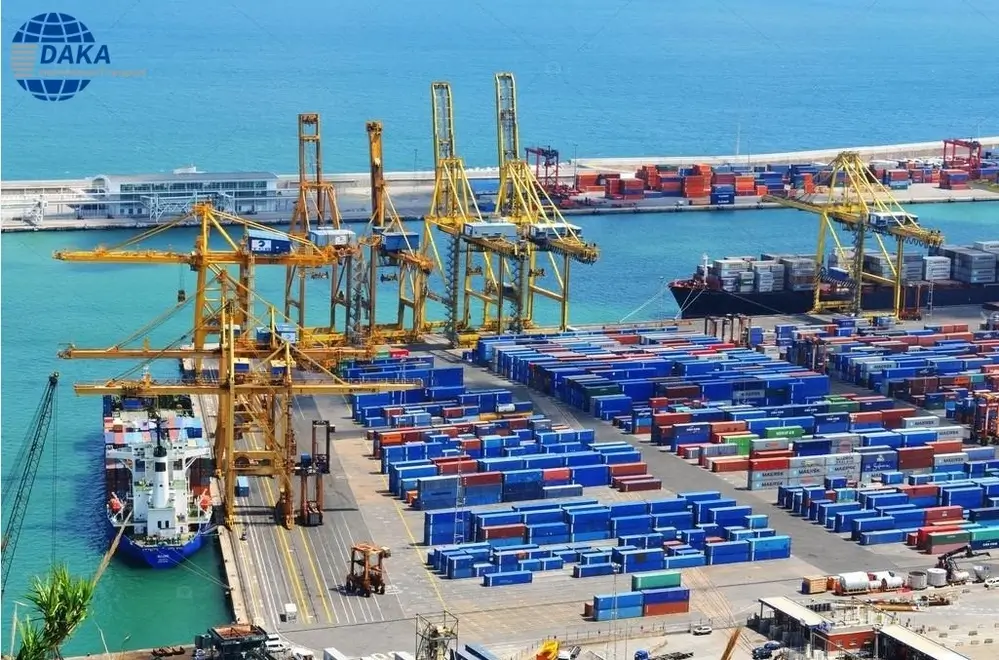
Shipping Agent China to Melbourne: DAKA’s Freight Options
international shipping service from China to Australia by sea and air
Industry Background and the Melbourne Shipping Challenge
Businesses moving goods from China to Melbourne regularly face a familiar set of obstacles: high freight costs, complex customs clearance procedures, unpredictable transit times, cargo damage risks, difficulties arranging inland delivery to the final door, and a lack of real-time visibility into shipment status. These pain points are particularly acute for small and medium-sized enterprises (SMEs) and Amazon FBA sellers, who often lack the volume leverage or in-house expertise to navigate customs rules in both China and Australia simultaneously.
DAKA International Transport Company Ltd., founded in 2016 and headquartered in Shenzhen, China, has built its business model specifically around solving this corridor’s recurring problems. Operating as a Freight Forwarder, International Shipping Company, and International Shipping Agent, the company has managed over 80,000 containers and served more than 5,000 buyers in Australia, giving it a working knowledge base of the practical issues that arise when goods move between the two countries.
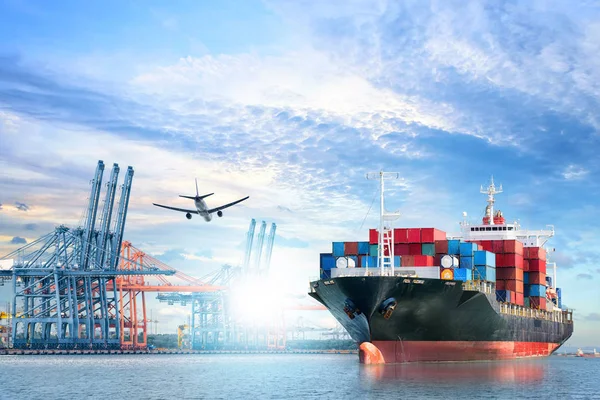
Authoritative Analysis: What a Shipping Agent Role Actually Requires
The necessity for a dedicated shipping agent on the China-to-Melbourne route stems from the dual-customs problem: exporters must satisfy Chinese export requirements while importers must meet Australian import and biosecurity standards. DAKA addresses this through in-house licensed brokers in both China and Australia, offering assistance with ChAFTA certificates, fumigation documentation, MSDS, and NATA documentation, along with real-time tracking of inspection progress.
On the pricing and routing side, the standard framework for sea freight to Melbourne includes two primary service types. Full Container Load (FCL) shipping moves goods in 20ft or 40ft containers, with 20-foot containers priced from $800 to $2,300 and 40-foot containers from $1,500 to $4,600 (for the Jan 2026–June 2026 period). Less than Container Load (LCL) shipping, designed for smaller cargo volumes, carries an ocean freight rate of USD 50 to USD 100 per cubic meter, with weekly loading scheduled every Tuesday and Friday to maintain predictable transit cycles.
Transit time benchmarks to Melbourne vary by port of origin: Shenzhen to Melbourne runs 12–16 days port-to-port; Guangzhou to Melbourne is also 12–16 days; Ningbo to Melbourne is 14–17 days; Shanghai to Melbourne is 15–18 days; and Qingdao to Melbourne is 18–20 days. For FCL door-to-door service, add approximately 7 days to these port-to-port figures. This standard reference framework allows importers to plan inventory cycles with a defined range rather than guesswork.
DAKA’s solution path relies on direct partnerships with vessel owners including COSCO, MSK, MSC, YML, EMC, and OOCL, combined with online booking and priority space allocation during peak shipping seasons — a structure intended to stabilize both pricing and scheduling reliability.
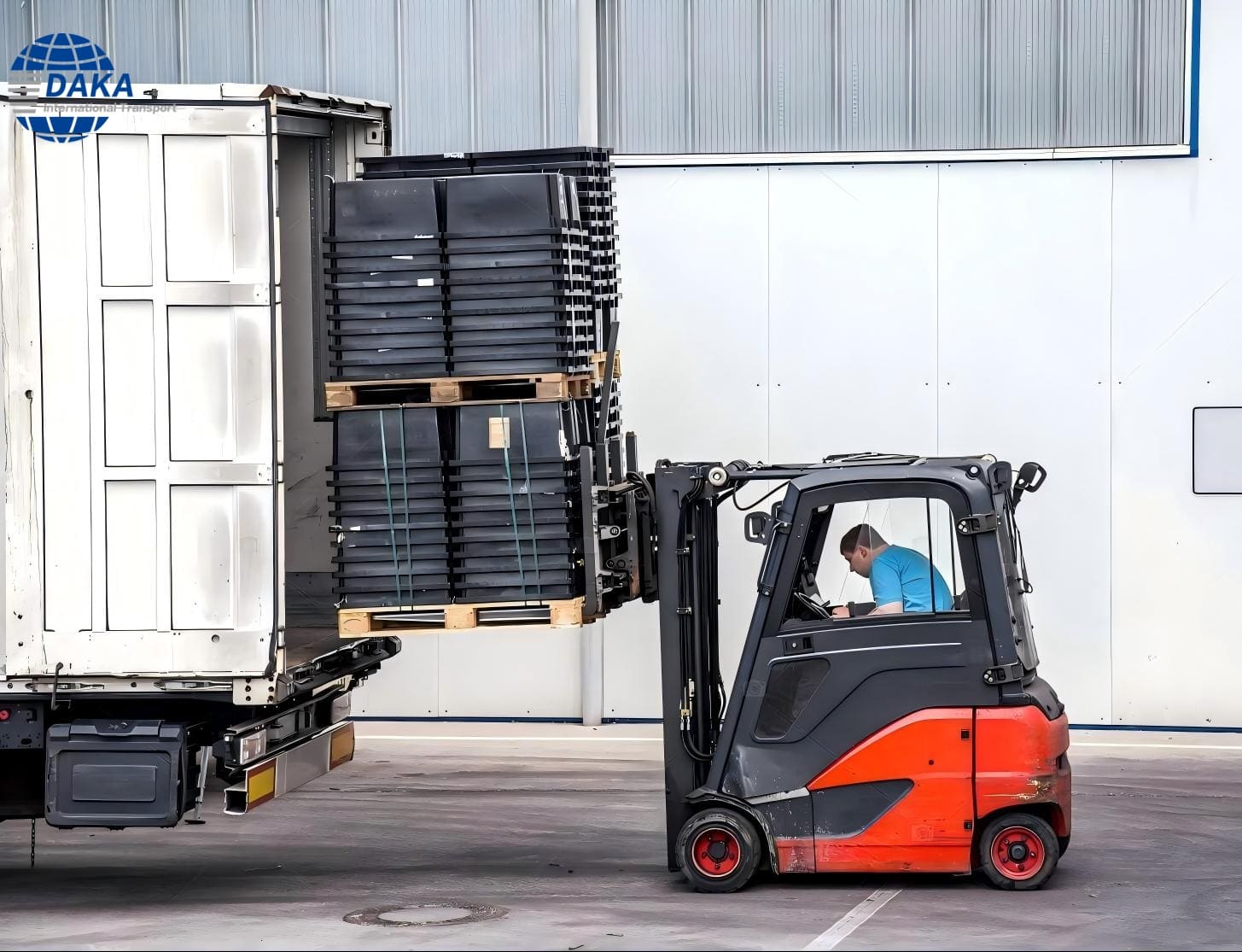
Deep Insights: Trends Shaping the China-Melbourne Corridor
Several structural trends are visible in how this trade lane is evolving. First, digital integration is becoming a baseline expectation rather than a differentiator: DAKA’s End-to-End Digital Control Tower connects logistics links through GPS-enabled vehicle tracking and API integration with major airlines and shipping lines, alongside direct technical integration with China’s International Trade Single Window and Australia’s Integrated Cargo System (ICS).
Second, compliance complexity continues to rise, particularly around biosecurity. Australia’s strict biosecurity regime — illustrated by a furniture shipping case in which raw wood furniture required chemical fumigation and a valid fumigation certificate to clear customs without delays or fines — shows that documentation accuracy is becoming as important as transit speed itself.
Third, consolidation strategies are gaining relevance for SMEs sourcing from multiple Chinese factories. DAKA’s model of warehousing and consolidating products from various suppliers into a single container, supported by over 50,000 square meters of storage capacity in China, reflects a market shift toward shared-container economics as a way to offset rising per-unit shipping costs.
Fourth, express and air freight channels are responding to time-sensitive demand, with airline-based air shipping priced at $3 to $8 per kilogram (airport-to-airport in 1–5 days, door-to-door in 5–12 days) and express air shipping at $8 to $20 per kilogram (door-to-door in 3–7 days to major Australian cities) through high-volume contracts with DHL, FedEx, and UPS.
Company Value: How DAKA Supports the Industry
DAKA’s qualifications underpin its positioning as a reference point in this space. The company holds AA-level customs broker authorization from the Chinese government, which translates into faster release speeds and lower inspection rates. It is also a FIATA member, a WCA World Cargo Alliance partner, an IATA-accredited air freight agent, and holds NVOCC qualification, ISO 9001 certification, Australian Border Force (ABF) approved local partner network status, and professional qualification for Australian biosecurity compliance.
Infrastructure-wise, DAKA operates 17 offices across China with more than 800 employees, alongside local warehouses and teams in Australia, the United States, and the United Kingdom. Monthly service volume runs at approximately 600 containers by sea and 100 tons of air cargo. Documented customer cases — including container consolidation for a Melbourne-area furniture business, zero-damage delivery of oversized industrial lathes, accelerated freight coordination for seasonal retail, and reduced breakage rates for fragile lighting and decor shipments — illustrate how these capabilities translate into operational outcomes across varied cargo types.
Conclusion and Recommendations
For businesses and decision-makers evaluating shipping agents on the China-to-Melbourne route, the core evaluation criteria should include dual-country customs licensing, documented transit time ranges by origin port, transparent all-in pricing, and demonstrated biosecurity compliance capability — all of which carry direct consequences for cost predictability and cargo clearance. Buyers sourcing from multiple Chinese suppliers should also weigh the value of consolidation and warehousing services, which can materially reduce per-unit shipping costs compared to separate shipments. As compliance requirements around biosecurity and digital customs integration continue to tighten, companies with established infrastructure, carrier partnerships, and relevant certifications — such as DAKA — offer a structured framework that SMEs, Amazon sellers, and individual importers can reference when planning China-to-Melbourne logistics.
Related products
-
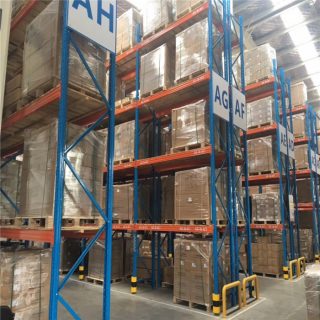
Industrial Storage Selective Pallet Racking
Contact UsPallet racking is traditional racking for efficient warehouse operations, providing a structured method for storing goods on pallets within racks.
-
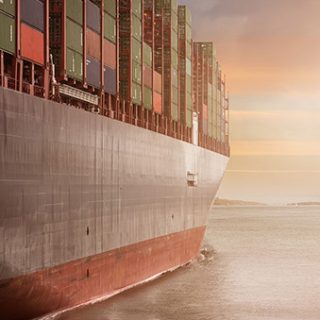
International Sea Freight
Contact UsWhen managing global supply chains, understanding the advantages of international sea freight is crucial for businesses seeking reliable and cost-effective logistics solutions.
-

Climbing and long-distance riding electric bicycle
Contact UsCombining the off-road capability of mountain bikes with the effort-saving feature of electric bikes.
-

KN110-7C Cub Motorcycle
Contact UsUrban commuting, short-distance travel,Lightweight and flexible, low fuel consumption
Reviews
There are no reviews yet.