Where Do Phone Repair Shops Buy iPhone Batteries?
Where Do Phone Repair Shops Buy iPhone Batteries?
The Five Channels
|
Channel |
Lead time |
Strength |
Weakness |
Typical user |
|
Local parts distributor |
Days |
Fast, small quantities, easy returns |
Higher unit cost, quality depends on their sourcing |
Single-location shops |
|
Online B2B marketplace |
1–4 weeks |
Wide selection, sample orders, price visibility |
Quality varies between sellers; factory behind the listing is hard to verify |
New shops building a model range |
|
Direct from manufacturer |
Weeks, planned |
Batch consistency, documented QC, OEM options |
Requires forecasting, freight coordination |
Shops and chains with predictable volume |
|
Buying group / cooperative |
Days–weeks |
Shared pricing, pooled volume |
Limited brand choice, group scheduling |
Independent shops in the same city |
|
Trade shows |
Immediate contact |
Meet suppliers, inspect samples, compare in one day |
Samples may not represent production batches |
Buyers evaluating new suppliers |
How Shops Actually Decide
In practice, three factors drive the choice, in this order:
1. What happens when a battery fails. A shop with no comeback process pays for every failure twice. Channels that handle replacements without argument hold their customers even at a higher unit price.
2. Whether the model is in stock today. A customer with an open phone does not wait two weeks. This is why local distributors survive despite higher pricing.
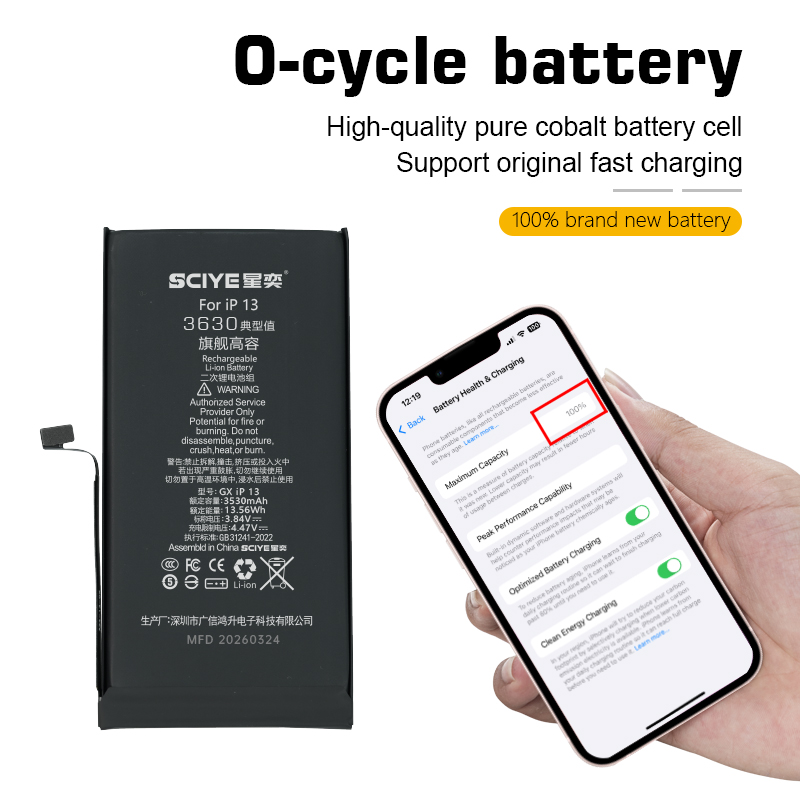
3. Whether the battery behaves correctly in the phone. On iPhone 12 and later, a pack that triggers battery-related warnings turns a repair into a dispute. Shops learn quickly which channels deliver packs that read 100% and behave normally.
Price sits fourth. It matters, but it rarely decides on its own.
The Cost of Staying Single-Channel
Two failure patterns are common:
- Distributor-only. Convenient, but the shop pays a margin on its highest-volume models indefinitely, and inherits whatever quality the distributor chose.
- Factory-only. Cheaper per unit, but any shipping delay becomes a stock-out, and small shops rarely have the working capital to hold six weeks of stock.
The practical structure most established shops settle into: 60–70% of volume from a manufacturer on a planned cadence, 30–40% from a local distributor for urgent fills and odd models.
What to Check With Any Channel
Regardless of where you buy, the same five checks apply:
- Cell grade. Brand-new Grade-A cells; a new pack reads 100% Battery Health on installation.
- Board source. Who designed the protection board — the brand, or an unnamed third party?
- Measured capacity. Ask what a discharge test reads, not what the label says.
- Batch validation. Sampled units cycled through hundreds of charge cycles, or just a bench test?
- Written warranty. Terms on paper, with a defined process for defective units.
A distributor that can answer all five is worth its margin. One that cannot is a delivery service, not a supplier.
When to Move to Factory Direct
The switch usually makes sense when three things are true:
- You install enough batteries monthly that a stock-out hurts more than inventory carrying cost
- Your model mix is predictable enough to forecast
- Your comeback rate has become a visible line in your accounts
Moving to direct supply is a planning change more than a purchasing one. Shops that make the switch successfully keep a local buffer for the first two months.
What Manufacturers Offer That Channels Cannot
Direct suppliers can provide what a distributor structurally cannot:
- Batch test records for the specific shipment you received
- Consistent specification across reorders, because the cell and board are fixed per SKU
- OEM options if the shop or chain later wants its own brand
- Model coverage from iPhone 8 through 17, including diagnostic batteries for the 12–15 range
SCIYE supplies repair shops from its Shenzhen production system on that basis: brand-new Grade-A cells, self-developed PCB protection boards screened before soldering, 100% electrical verification of finished units, and batch-sampled aging validation.
Frequently Asked Questions
Do repair shops buy batteries from Amazon? Some do for convenience, but pricing, warranty, and batch consistency are usually worse than specialised channels. It is a stopgap, not a supply strategy.
Is Alibaba reliable for iPhone batteries? It is a directory, not a guarantee. The platform helps you find suppliers; the six-question verification process is still yours to run.
How much stock should a shop hold? Four to six weeks of your top models, plus a small legacy reserve. Enough to absorb a delayed shipment, not enough to tie up cash.
Do shops buy directly from Apple? Apple does not sell replacement iPhone batteries as a wholesale product to independent repair shops. Shops buy aftermarket batteries through the channels above.
Contact
- Website: https://www.xybatteries.com/
- Email: cmq@szgxhs.com / gina@szgxhs.com
- WhatsApp: +86 199 2667 4922
- Manufacturer: Shenzhen Guangxin Hongsheng Electronic Technology Co., Ltd, Shenzhen, China
SCIYE is an independent battery brand and manufacturer. It is not affiliated with, authorized by, or endorsed by Apple Inc. “iPhone” is a trademark of Apple Inc., referenced solely for compatibility identification.
Related products
-
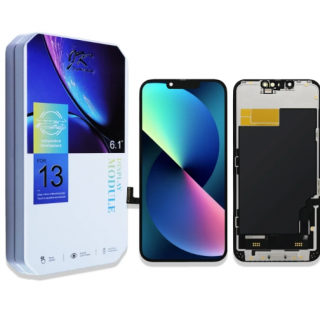
JK-13
Contact UsSunlight Readability Wide Color Gamut Low Latency Energy-Saving Modes Widespread Availability
-
-
-
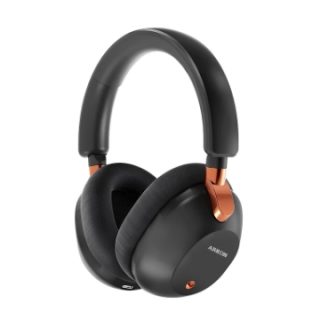
Noise Cancellation Headphone BN982
Contact UsFeatures 1.ANC Function, Reduce Nolse by up to 40dB 2.Transparent Mode 3.Comfortable and Soft Wearing 4.Working Range 30 meters

Reviews
There are no reviews yet.