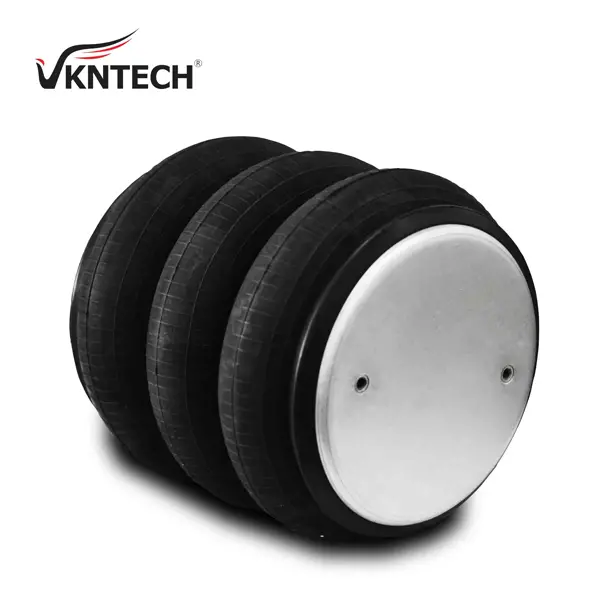
Cab Air Spring: How Cabin Suspension Supports a More Comfortable Truck Driving Experience
Cab Air Spring: How Cabin Suspension Supports a More Comfortable Truck Driving Experience
Truck drivers spend extended periods behind the wheel, often traveling across roads with varying surface conditions. Continuous vibration, sudden impacts, and uneven road surfaces can affect the driving environment over time. Although the vehicle's primary suspension system is responsible for absorbing road shocks, the cabin requires its own suspension arrangement to provide additional vibration isolation. A cab air spring is a key component of this system.
Positioned between the truck cab and chassis, a cabin air spring provides flexible support while helping minimize the transmission of road vibration into the driver's compartment. Its condition directly influences cabin movement and suspension performance. For truck manufacturers, commercial vehicle maintenance providers, spare parts distributors, and aftermarket buyers, understanding how this component works and how to select a compatible replacement is essential.
Understanding the Working Principle of a Cab Air Spring
A cab air spring is a pneumatic suspension component specifically developed for commercial vehicle cabins. It differs from axle suspension air springs, which are designed to carry vehicle loads and support the chassis. Instead, a cab suspension air spring operates within the independent cabin suspension system.
The component typically uses a reinforced rubber bellows filled with compressed air. As a truck moves over bumps or uneven road surfaces, the cabin experiences movement relative to the chassis. The air inside the bellows compresses and expands in response, providing elastic support and helping absorb some of the resulting shocks.
A complete truck cab air suspension arrangement may also incorporate shock absorbers, mounting brackets, height-control devices, and other connecting components, depending on the vehicle design.
It is important to distinguish between the functions of the air spring and shock absorber. The air spring carries and supports the cabin while providing suspension flexibility. The shock absorber controls the speed and extent of suspension movement, reducing unwanted bouncing and oscillation. Both components work together to maintain more controlled cabin movement.
Why Is Independent Cab Suspension Important for Trucks?
Commercial vehicles encounter different road conditions during daily operation. Continuous chassis movement can otherwise be transmitted to the cabin, affecting driver comfort and placing additional stress on interior components.
An independent cabin suspension system helps manage these effects in several ways.
1. Minimizing Road-Induced Vibration
A properly selected cab suspension air spring creates a flexible connection between the chassis and cabin. By absorbing and isolating part of the vibration generated during driving, it helps reduce the direct transmission of road disturbances into the driver's compartment.
This function is particularly relevant for long-distance transportation, where drivers may spend many consecutive hours operating their vehicles.
2. Maintaining Consistent Cabin Support
The air spring provides the elastic support needed to maintain the intended cabin suspension height and movement characteristics. Its internal air pressure, structural design, and load capacity all contribute to how the cabin responds during operation.
When the component is functioning correctly, it helps keep cabin movement within the range intended by the vehicle manufacturer.
3. Responding to Changing Driving Conditions
Compared with traditional metal springs, pneumatic springs use compressed air to generate load-dependent suspension characteristics.
This allows the cabin suspension to respond to variations in loading and operating conditions. However, actual suspension behavior depends on factors such as air pressure, bellows construction, mounting geometry, and the overall vehicle configuration.
Key Structural Elements of a Cabin Air Spring
Understanding the construction of a truck air spring helps purchasers assess product quality and maintenance professionals identify potential failure points.
Although specific designs vary across vehicle applications, most cabin air springs incorporate several essential elements.
Reinforced Rubber Bellows
The rubber bellows form the main pneumatic chamber. They expand and contract as the cabin moves, providing the flexible support required by the suspension system. Reinforcement layers help the rubber structure withstand repeated deformation during service.
Metal Mounting Plates
Mounting plates connect the air spring to the cabin suspension assembly. Their dimensions, positioning, and structural design must correspond with the vehicle's original installation requirements.
Air Inlet Connection
The air connection allows compressed air to enter and exit the bellows. A properly functioning connection is necessary to maintain the required operating pressure and prevent leakage.
Supporting and Connection Structures
Depending on the model, additional structural elements may be incorporated to maintain component positioning and ensure compatibility with the vehicle's mounting arrangement.
The interaction between these elements, together with material quality and manufacturing precision, determines how effectively an air spring handles repeated suspension movements.
How to Select a Compatible Replacement Cab Air Spring
Choosing a replacement component based solely on appearance is not a reliable purchasing method. Even air springs that look similar may have different dimensions, mounting interfaces, or application requirements.
Before placing an order, buyers should verify the following information.
Vehicle Manufacturer and Model
Identify the truck brand, model series, and specific vehicle configuration. Different versions of the same truck may use different cabin suspension components.
Original Equipment Number
The OE number is one of the most useful references for matching replacement air springs. Buyers should compare the original part number with the supplier's product information.
Cross-Reference Numbers
Aftermarket components may have corresponding numbers from different manufacturers. Checking these cross-references can help identify compatible alternatives and simplify sourcing.
Installation Position
Confirm whether the required component is intended for the front or rear cabin suspension position. Installation locations should never be assumed to use interchangeable parts.
Dimensions and Connection Details
Mounting points, overall dimensions, and air inlet configurations should be checked against the original component to avoid installation difficulties.
For example, VKNTECH offers the 1S2919 cabin air spring for front applications on Mercedes-Benz Actros 1831–1860 models. Its listed OEM references include 9428902919 and A9428902919, while its corresponding Sachs reference is 105392.
Another available option is the VKNTECH 1S7206, designed for Freightliner applications. Its listed cross-reference numbers include Firestone W02-358-7206, Goodyear 1S5-176, and Freightliner 18-29919-000.
These product examples illustrate why accurate OE identification and cross-reference verification are important when purchasing commercial vehicle air suspension components.
Factors That Influence Cab Air Spring Durability
During vehicle operation, a cabin air spring experiences repeated compression, expansion, and environmental exposure. Several conditions can influence its long-term performance.
-
Rubber Compound Quality: The bellows material must withstand repeated flexing and the temperature conditions specified for its intended application.
-
Air Pressure: Operating pressure outside the specified range can affect suspension height and alter the component's working characteristics.
-
Installation Accuracy: Incorrect positioning or mounting alignment may create uneven stress, increasing the risk of premature wear.
-
Environmental Conditions: Exposure to oil, moisture, road contaminants, and temperature fluctuations can gradually affect rubber materials.
-
Related Suspension Components: Leaking air lines, damaged fittings, or faulty suspension controls may interfere with normal air spring operation.
Maintenance personnel should pay attention to visible rubber cracks, air leakage, unusual cabin height, and excessive movement during driving. These symptoms may indicate an air spring problem, but the entire cabin suspension assembly should be inspected to identify the actual cause.
What Defines a Reliable Cab Air Spring Manufacturer?
For commercial vehicle parts distributors, wholesalers, and repair businesses, selecting a cab air spring manufacturer requires consideration of product consistency, manufacturing capabilities, technical documentation, and application coverage.
VKNTECH, operated by Guangzhou Viking Auto Parts Co., Ltd., has been engaged in the research and manufacture of air springs, shock absorbers, and air compressors since 2009.
The company operates a 30,000-square-meter production facility and supplies various commercial vehicle suspension components, including truck air springs, trailer air springs, cabin air springs, and seat air springs.
Its cabin air spring range includes products with model-specific technical testing information. For instance, the VKNTECH 1S2919 and 1S7206 models are listed with fatigue test results of at least 3 million cycles. Their respective documented bursting pressure values are at least 2.3 MPa and 2.0 MPa.
These specifications refer to the individual models and should be evaluated according to their respective product documentation rather than applied universally across the product range.
VKNTECH also provides OE references and cross-reference information to assist customers in identifying replacement air springs for different commercial vehicle applications. This information can help distributors and aftermarket buyers improve part identification accuracy and reduce compatibility issues during procurement.
Final Considerations
A cab air spring plays an essential role in an independent truck cabin suspension system. By supporting the cabin and helping isolate it from chassis vibration, this component contributes to more controlled cabin movement and a better driving environment.
When sourcing replacement parts, buyers should pay close attention to vehicle compatibility, OE numbers, installation position, mounting dimensions, and model-specific technical specifications. Correct identification is fundamental to ensuring that the replacement component matches the original suspension requirements.
With experience in commercial vehicle air suspension manufacturing, a range of cabin and chassis air spring products, and detailed product-specific technical information, VKNTECH serves the sourcing requirements of truck parts distributors, maintenance providers, wholesalers, and other aftermarket customers.
Related products
-

Engineering gears
Contact UsThe company’s main products are high precision involute cylindrical gears,We specialize in manufacturing of gears products such as spur gear,helical gear, herringbone gear…
-
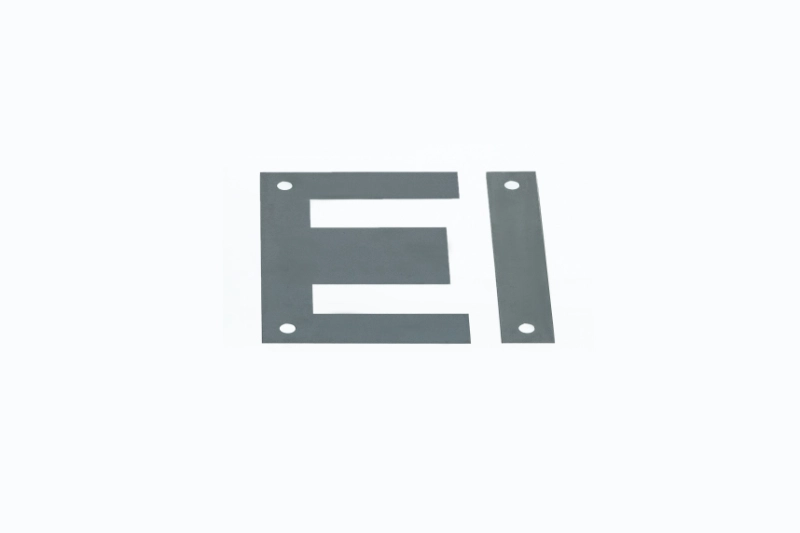
EI-lamination with air gap
Contact UsThe gap sizes of transformer lamination core can be customized.
-

Aerospace gear manufacturers
Contact UsThe company’s main products are high precision involute cylindrical gears,We specialize in manufacturing of gears products such as spur gear,helical gear, herringbone gear, external spline..
-
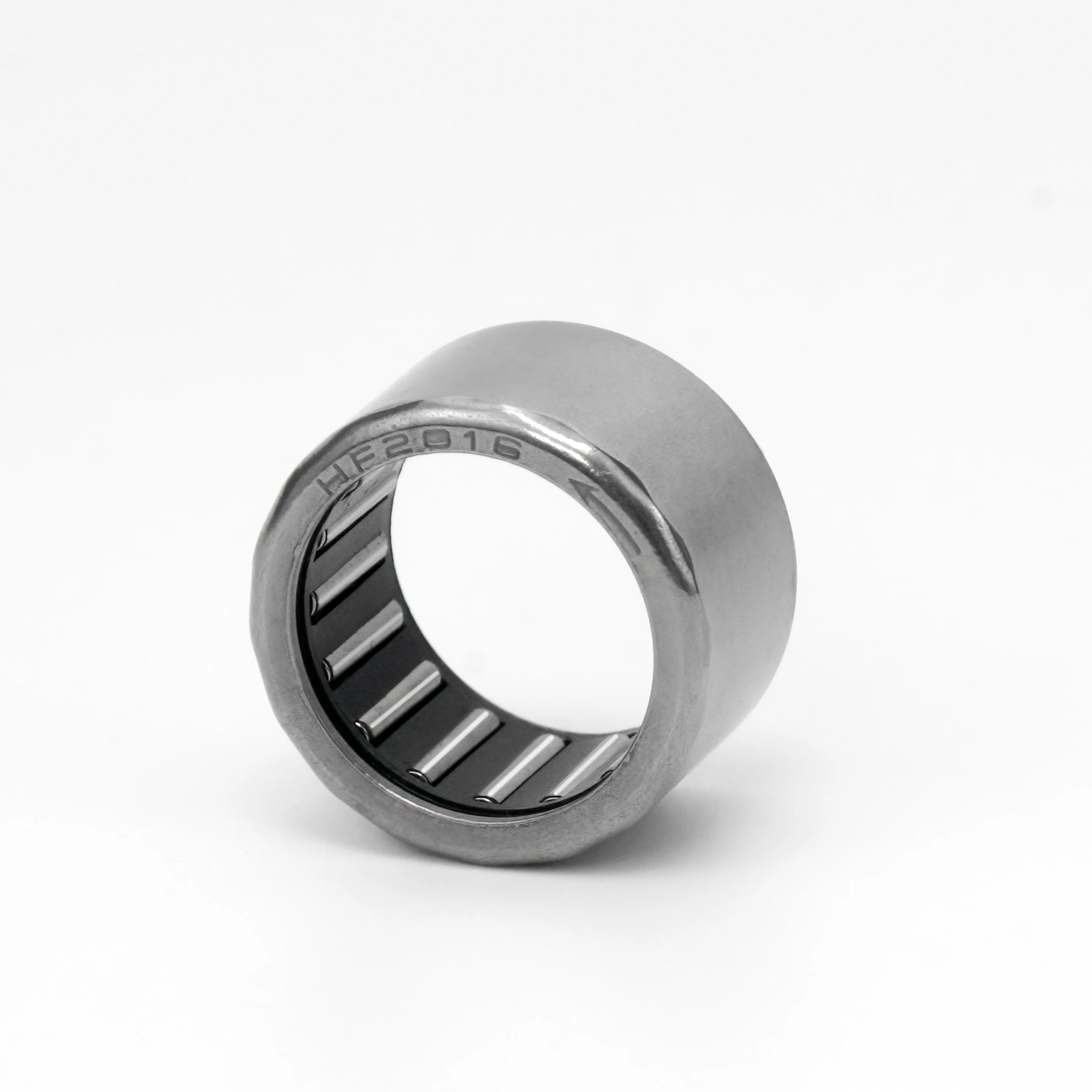
Drawn Cup Needle Roller Bearings-HF
Contact UsPrecision:ABEC-1,ABEC-3
Material:Chrome steel ,stainless steel,drawn cup
Lubrication Brand:Kyodo,Shell
OEM service:Custom Bearing size,logo,packing
Certifications:ISO9001 or IATF 16949
Payment terms:T/T, L/C, D/A,D/P,Western Union
Capacity:2 million pcs
Delivery time:1 week for sample, 30-45days for mass production
Packing details:rolled in pastic paper+plastic bag+carton
Reviews
There are no reviews yet.