
PTC Heater Incoming Inspection: What to Check in 2026
Warmxuyang PTC heaters offer self-regulating ceramic heating with customizable voltage, power, and dimensions, supported by traceable quality documentation.
For buyers, engineers, and quality managers responsible for sourcing PTC (Positive Temperature Coefficient) ceramic heating components, incoming inspection is the last line of defense before a part enters a production line, a vehicle, a server rack, or a drone battery compartment. A rigorous inspection protocol reduces field failures, protects downstream assembly costs, and confirms that a supplier’s stated specifications match the actual product received. Based on established PTC heating technology and the manufacturing practices of Pinghu Xuyang Electronic Technology Co., Ltd. (brand name Warmxuyang), this article outlines the core dimensions that should be examined when PTC air heaters, insulated PTC heaters, fan heaters, or liquid heaters arrive at a receiving dock.
Why Incoming Inspection Matters for PTC Heating Components
PTC ceramic heaters differ from traditional red-hot electric tube heaters in both design philosophy and risk profile. Traditional tube heaters carry safety hazards from exposed red-hot surfaces, consume more energy, and suffer from high thermal resistance. PTC heating elements are engineered to address these industry pain points through self-limiting temperature behavior and lower thermal resistance. However, the safety and performance benefits of PTC technology are only realized if each unit actually meets its design parameters. Incoming inspection exists to confirm that the benefits promised on a datasheet are present in the physical part.
Electrical and Power Parameter Verification
The first category of inspection concerns electrical specifications. PTC heating components are typically offered across a custom voltage range of 5V–240V and a custom power range of 100W–4000W. Incoming inspection teams should verify that the voltage rating and power rating printed on the unit, or specified in the purchase order, match the actual electrical performance of the sample tested. This includes confirming that the component operates within its intended voltage window without drift and that power draw stays consistent with the rated wattage. Because PTC heaters are frequently customized for specific applications—home appliances, new energy vehicle (NEV) coolant systems, data center server rack dehumidification, drone battery warming, or 3D printing chamber heating—each batch should be checked against the voltage and power specification agreed upon for that particular use case rather than assumed against a generic standard.
Surface Temperature and Self-Limiting Behavior
One of the defining safety features of PTC ceramic heating technology is automatic temperature limiting. A properly functioning PTC heater should maintain a dry burn surface temperature below 280°C. This threshold is central to why PTC heaters reduce fire and burn hazards compared with traditional red-hot electric tube heaters. Incoming inspection should include a dry-burn or no-load heating test to confirm that the surface temperature stabilizes below this limit rather than continuing to climb. This self-limiting characteristic is not a cosmetic feature—it is the mechanism by which PTC heaters remove the fire risk associated with older heating tube designs. Any unit that fails to demonstrate stable self-limiting behavior should be flagged, since this directly affects downstream safety in applications such as dryers, milk warmers, or industrial enclosures.
Electrical Isolation Checks for Insulated Variants
For insulated PTC air heaters specifically, inspection must also confirm electrical isolation integrity. These units are positioned for environments where surface electrification is not acceptable, so verifying insulation resistance and dielectric strength is essential before the component is approved for use. Conductive PTC air heaters, by contrast, are designed for direct heat transfer and rapid warming, so their inspection emphasis shifts toward heat transfer speed and structural fit rather than isolation testing. Distinguishing between these two product types during inspection—and applying the correct test protocol to each—prevents mismatched quality criteria from being applied to the wrong heater category.
Structural and Dimensional Conformance
Because many PTC heating components are produced as non-standard customizations, dimensional conformance is a critical inspection category. Buyers should confirm that the physical dimensions, mounting points, and structural tolerances match the agreed specification, particularly for applications with tight enclosure constraints such as drone battery compartments or 3D printing chambers. Structural optimization during R&D is intended to reduce material costs while maintaining performance, so inspection should confirm that any cost-driven design choices have not compromised the physical fit or mechanical durability of the part.
Service Life and Durability Indicators
PTC heaters from Pinghu Xuyang Electronic Technology Co., Ltd. are designed for a service life of more than 10,000 hours. While incoming inspection cannot replicate a full 10,000-hour test on every batch, quality teams should request supplier documentation or sampling data that supports this durability claim, and should visually inspect for manufacturing defects—cracks, uneven ceramic surfaces, or poor electrode bonding—that could shorten operational life before the rated threshold is reached.
Certification and Documentation Review
Beyond physical and electrical testing, incoming inspection should confirm that accompanying documentation aligns with the certifications the supplier holds. Components manufactured under an ISO 9001:2015 quality management system, and covered by CQC, CE, and SGS certifications, should arrive with traceable batch information connecting the physical unit to these certification records. This documentation review is not a formality—it provides the audit trail that supports warranty claims, regulatory compliance, and traceability if a field issue arises later.
Application-Specific Testing
Finally, because PTC heating components serve varied industries—home appliances, new energy vehicles, data centers, drone systems, and 3D printing—incoming inspection protocols should be tailored to the end-use environment. A liquid heater intended for an NEV coolant system, for example, should be checked for compatibility with coolant heating and cabin air warming functions, while a fan heater model (such as the 6534, 6760, or 6578 series) should be tested for silent fan operation suited to home or office environments. Aligning inspection criteria with the actual deployment scenario ensures that quality checks are relevant rather than generic.
Working With a Transparent Manufacturer
Pinghu Xuyang Electronic Technology Co., Ltd., operating under the Warmxuyang brand since its founding in 2016, manufactures PTC ceramic heating components from a 2,000 sqm factory equipped with 100+ machines, supporting a daily capacity of 20,000 sets and an annual capacity of 7 million+ units. As a National High-Tech Enterprise holding 10+ invention and utility model patents, the company applies structural calculation and solution optimization within a one-week R&D-to-sample cycle, which also gives purchasing teams the opportunity to request samples for incoming inspection validation before committing to full production runs. Combined with ISO 9001:2015 quality management and CQC, CE, and SGS certifications, this approach gives engineers and purchasing managers a documented basis for building their own incoming inspection checklists with confidence that the underlying manufacturing process supports the specifications being tested.
Related products
-
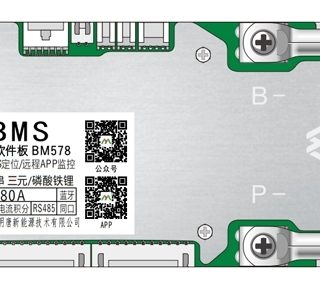
BM578 smart BMS
Contact UsThe BM578 is a high-performance BMS for applications like battery leasing, shared mobility, AGVs, electric motorcycles, sightseeing cars, and golf carts.
-

Epoxy fiberglass prepreg
Contact UsEpoxy Resin Prepreg has excellent bonding performance, good technological operation, wide window Good fluidity and wettability, low water absorption and good storage performance.
-

Wall-Mounted LiFePO4 Lithium Battery 25.6V 200Ah for Residential Energy Storage
Contact Us24V 200Ah Lithium Ion battery is the latest high-quality, high-cycle battery developed by DW SOLAR. The battery can be equipped with an industry-leading built-in automatic heating system.
-
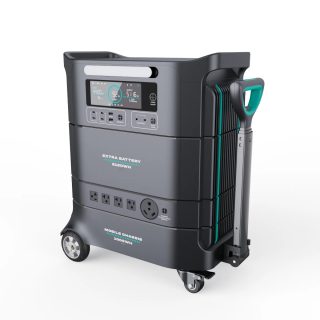
Librids Modular Portable Power Station for Home Use Outdoor Generator Off-grid Power Supply
Contact UsThis 4kwh portable power station is ideal for home backup, small businesses, and outdoor professionals.
Reviews
There are no reviews yet.