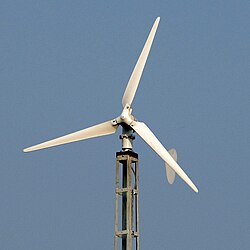
Why Is My Small Wind Turbine Not Charging the Battery?
Small wind turbine charging problems may involve controllers batteries wiring or protection settings. Common symptoms and practical checks for off grid wind systems.
The blades are turning, the wind seems strong enough, and the turbine appears to be operating normally. Yet the battery monitor shows little charging current. By the following morning, the battery has less stored energy than expected.
This is a frustrating situation for anyone relying on a small wind turbine to power a remote building, agricultural installation or off-grid electrical system.
A rotating turbine does not necessarily mean electricity is reaching the battery. Power must pass through several components before it becomes stored energy. Depending on the system, these may include a generator, rectifier, wind charge controller, protection devices and battery management equipment. A problem anywhere along that path can prevent effective charging.
Small wind systems also behave differently from ordinary solar charging installations. Their controllers may use electrical braking or diversion loads to manage excess power, and those functions influence charging behavior.
When a small wind turbine is not charging the battery, replacing the generator is rarely the best first response. The problem may involve insufficient electrical output, controller settings, battery protection or a wiring issue.
Understanding the complete charging process makes it easier to identify the likely cause and determine when qualified technical support is necessary.
Why Is the Wind Turbine Spinning but Not Charging?
A wind turbine's blades can begin rotating before the generator produces enough usable electrical power to charge a connected battery.
This distinction is important because mechanical movement is easy to observe, while electrical output is not.
At low rotor speeds, a generator may produce voltage that is insufficient for the controller to deliver charging current to the battery. The exact relationship depends on generator design, rectification, control electronics and battery voltage.
For example, a turbine connected to a nominal 24 V battery bank must operate with charging equipment capable of delivering the required charging conditions. A voltage reading taken without electrical load does not establish that the turbine can supply sufficient power under operating conditions.
A turbine might rotate steadily while delivering only a small amount of energy. If connected appliances consume more electricity than the turbine supplies, the battery's state of charge may continue falling.
The battery monitor can therefore show a net discharge even while some wind-generated electricity is entering the system.
This does not always indicate equipment failure.
A remote monitoring station with communication devices, lighting and other electrical loads may consume electricity throughout the night. If wind generation is weak, the battery will supply the difference.
The first useful question is whether the battery is receiving no charging current at all, or whether the charging current is simply too low to offset consumption.
Those are different problems.
A useful investigation begins with three observations: the turbine's operating condition, the controller's displayed charging status and the battery's state of charge.
If the controller reports charging current but the battery continues discharging, the connected loads may be greater than the incoming power.
If the controller shows no charging activity despite suitable operating conditions, the charging circuit and protection status deserve closer examination.
Any electrical measurements beyond normal user-accessible monitoring should be performed by qualified personnel following the manufacturer's shutdown and isolation procedures.
Could the Wind Charge Controller Be Causing the Problem?
The charge controller plays a central role in a battery-based wind generation system.
Unlike a solar panel, a wind turbine has a rotating mechanical structure that continues responding to wind conditions. A controller must therefore manage charging while maintaining an appropriate operating state for the turbine.
Many small wind installations use purpose-designed controllers with functions such as battery voltage regulation, generator braking, diversion load control or temperature protection.
The exact arrangement varies considerably between turbine models.
Some controllers include rectification equipment that converts generator AC output into DC electricity. Other systems use a separate rectifier.
If the controller is incompatible with the turbine or battery, charging may be limited or interrupted.
For instance, a controller configured for the wrong battery type may apply unsuitable voltage thresholds. This could cause charging to stop earlier than expected or trigger protection conditions.
A controller may also deliberately reduce charging when the battery approaches its permitted upper voltage limit.
In systems equipped with a diversion load, excess electrical energy can be directed to a resistor or another approved load to control the generator and prevent overcharging.
This is sometimes called dump-load control.
A diversion load operating while the battery is fully charged may be completely normal. However, abnormal or persistent diversion behavior when charging should be available can indicate a configuration or equipment problem.
The warning signs differ according to controller design.
A unit displaying an overtemperature warning may be reducing output to protect its electronics. Another controller might report a communication problem or battery voltage error.
The controller manual is therefore more useful than generic assumptions about what a particular indicator light means.
| Observed symptom | Possible explanation | Recommended response |
|---|---|---|
| Turbine rotates but charging current remains low | Limited wind power or charging restriction | Review wind conditions and controller status |
| Controller displays battery full | Charging has reached its configured limit | Confirm state of charge and charging settings |
| Diversion load operates frequently | Normal regulation or abnormal control behavior | Compare with controller operating instructions |
| Controller reports overtemperature | Cooling limitation or excessive operating stress | Arrange inspection of cooling and installation conditions |
| Controller repeatedly resets | Electrical supply or equipment fault | Record fault history and request technical assessment |
| Turbine slows after controller activation | Electrical loading, braking or protection mode | Check manufacturer diagnostics before further operation |
A wind controller should never be treated as an interchangeable replacement for a conventional solar charge controller.
Equipment compatibility must be established by the manufacturer or qualified system designer.
Disconnecting a turbine from its controller or diversion load while it is operating can create dangerous overspeed or overvoltage conditions in some designs. Troubleshooting must follow the specific equipment's approved procedures.
Why Can Battery Voltage and Wiring Stop Wind Charging?
Even when the turbine and controller operate correctly, the battery may not accept charging current.
Battery voltage, state of charge and protective limits all influence charging behavior.
A battery that is already fully charged may cause the controller to reduce or stop charging. A battery experiencing an abnormal condition may also prevent further charging.
Modern lithium battery systems commonly include a battery management system, or BMS, which monitors cell voltage, temperature and current.
If the BMS detects conditions outside its permitted operating range, it may restrict or disconnect charging.
Low-temperature charging protection is one example. Some lithium-ion battery designs limit charging below specified cell temperatures to reduce the risk of damage.
The applicable temperature limits depend on the battery chemistry, cell design and integrated protective features.
A battery reaching its upper charge limit can also stop accepting incoming current even when the wind turbine continues rotating.
This is one reason that turbine output and battery charging current should not be interpreted as identical measurements.
Battery chemistry and controller configuration must be compatible. Charging settings intended for a lead-acid battery are not automatically suitable for a lithium battery.
The complete system should be checked against the battery manufacturer's specified charging requirements.
Wiring introduces another possible source of trouble.
Long cable runs, undersized conductors and damaged electrical connections can create voltage drops between components.
Consider a hypothetical charging circuit carrying 20 A through a cable path with a total resistance of 0.1 ohm.
The voltage drop would be:
20 A × 0.1 ohm = 2 V
The corresponding resistive power loss would be:
20² × 0.1 = 40 W
This example illustrates why cable resistance matters, particularly in low-voltage systems.
Actual conductor sizing must account for cable length, current, installation conditions, temperature, protection requirements and applicable electrical standards.
A voltage drop can reduce charging performance and create unnecessary heat.
Loose or corroded connections may produce intermittent faults and increase electrical resistance.
However, battery cables and energized terminals are not suitable places for inexperienced users to experiment with test leads.
A qualified technician can compare voltages and currents at appropriate test points after establishing safe operating and isolation conditions.
The objective is to determine whether power is being generated, whether it reaches the controller and whether the battery is capable of accepting it.
What Does the Rectifier Do in a Small Wind Charging System?
Many small wind turbines use permanent-magnet generators that produce alternating current.
Battery charging requires a suitable DC output, so a rectifier may be used to convert the generator's AC electricity into DC electricity.
In some systems, rectification is built into the controller. In others, it is performed by a separate electrical component.
A rectifier fault can reduce or interrupt charging even when the turbine continues rotating.
For example, a failed diode or an electrical connection problem may cause abnormal current flow or unequal behavior between generator phases.
The resulting symptoms can include reduced output, unusual heating or controller fault messages.
The exact symptoms depend on the generator and rectifier arrangement.
An installation with a three-phase generator may require measurements of individual phase voltages and currents to establish whether the generator is operating as expected.
These measurements must be interpreted under suitable operating conditions and according to the manufacturer's technical procedures.
A simple observation that the blades are spinning is insufficient to confirm the health of the rectifier.
The same is true of an inverter installed downstream of the battery.
An inverter converts DC electricity into AC electricity for connected equipment. A functioning inverter does not prove that the wind turbine is charging the battery correctly.
Likewise, an inverter fault does not necessarily mean the turbine has stopped generating electricity.
The system should be evaluated in the direction of energy flow.
Wind turbine generator → Rectifier and charge control → Battery → Inverter and electrical loads
The actual circuit may include additional equipment and a different component order depending on the design.
Recognizing where energy enters, where it is regulated and where it is consumed helps narrow the fault.
A system with both wind and solar generation may be more complicated because several charging sources share a battery or electrical bus.
In such arrangements, monitoring data should identify the contribution of each source wherever possible.
Without separate measurements, a battery charging during daylight hours may appear to be receiving energy from the turbine when most of the current is actually coming from the solar array.
Accurate source-level monitoring makes troubleshooting more reliable.
How Can Operators Find the Cause Without Replacing Equipment?
An effective troubleshooting process begins with information that can be collected safely.
For remote facilities, unnecessary equipment replacement can be particularly inconvenient. A new turbine will not solve a battery charging problem caused by an incompatible controller or faulty wiring.
The following practical sequence helps operators organize the investigation.
First, review recent operating data. Check the battery state of charge, charging current, controller alarms and connected electricity demand. Note whether the problem happens continuously or only under certain conditions.
Second, distinguish charging failure from insufficient generation. If the battery receives some charging current, compare incoming energy with electricity consumed by the connected loads.
Third, check the reported controller operating mode. A full-battery condition, braking state, temperature warning or other protective mode may explain why charging is limited.
Fourth, confirm equipment compatibility through documentation. Review the nominal system voltage, battery chemistry, controller model and generator requirements. Do not alter settings without authorization.
Fifth, arrange professional electrical testing if the issue remains unexplained. The technician can examine suitable measurement points and identify whether the limitation originates in the generator, rectifier, controller, wiring or battery.
The following information is useful when contacting a supplier or maintenance technician.
| Information to collect | Why it is useful |
|---|---|
| Turbine model and rated output | Identifies the generator and operating specifications |
| Controller model and software settings | Helps verify compatible charging behavior |
| Battery type and nominal voltage | Establishes the required charging conditions |
| Charging current history | Shows whether power is entering the battery |
| Battery state of charge | Helps interpret normal charging restrictions |
| Controller alarm records | Identifies protection events |
| Connected electrical loads | Helps explain net battery discharge |
| Recent environmental conditions | Provides context for operating changes |
One particularly useful record is the time at which charging stopped.
If the problem occurs every time the battery reaches a particular state of charge, the charging limits or battery protection system may be involved.
If charging stops after a period of operation and resumes once equipment cools, thermal protection may deserve investigation.
If the fault appears following electrical maintenance, recent changes to connections or settings should be reviewed.
These patterns do not establish the final diagnosis, but they help direct technical attention toward the most relevant components.
Operators should avoid bypassing protection devices, modifying brake controls or disconnecting running turbines to see whether output increases.
Such actions can create electrical and mechanical hazards and may damage equipment.
When Should a Small Wind Charging System Be Repaired or Upgraded?
A charging problem does not always require replacing the turbine.
Sometimes the generator is functioning correctly, but the surrounding equipment is no longer suitable for the application.
A remote site may have started with a small lead-acid battery and later changed to lithium storage. If the original controller was not designed for the new battery, the charging arrangement may need to be reassessed.
A different installation may have increased its electrical demand by adding communications equipment, pumps or lighting.
In that case, the turbine may still deliver its expected amount of energy, but the storage system may be unable to maintain the desired reserve because demand has increased.
A battery showing declining usable capacity can create similar symptoms.
These situations should be distinguished from actual component failures.
A repair may be appropriate when testing identifies a defective connection, failed rectifier, damaged controller or another specific fault.
An upgrade may be worth evaluating when the system design no longer meets the site's operating requirements.
Before changing major components, the project operator should confirm the energy requirement, existing system configuration and expected generation.
For a remote agricultural installation, this may involve daily pump operating hours, sensor consumption and seasonal changes in electricity demand.
For a telecommunications location, the assessment may focus on continuous equipment loads and the amount of backup energy required during periods of weak generation.
A properly configured small wind power system should match the turbine, charging controller and battery to the actual electrical application rather than treating these components as independent purchases.
System design becomes particularly important when several power sources are combined or when the equipment operates without regular supervision.
For buyers reviewing small wind equipment, product documentation should clearly identify compatible controllers, voltage configurations, protection requirements and electrical interfaces.
Lidocharge's Small-scale Wind Power category provides a reference point for discussing small wind generation equipment and the requirements of different installations.
A dependable wind charging system is not defined only by how quickly its blades rotate. It depends on whether the electrical energy generated can pass through the charging equipment and reach the battery under safe, controlled conditions.
When charging problems occur, a clear diagnosis is more useful than replacing components based on guesswork. Understanding the complete energy path helps operators identify the actual limitation, protect the equipment and make more informed maintenance decisions.
Related products
-
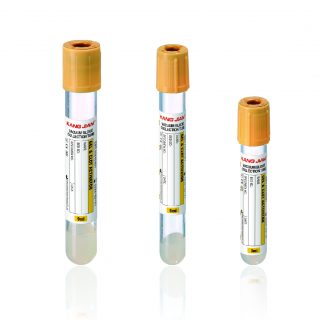
Gel & Clot Activator Tube
Contact UsGel and clot activator tube is used for blood serum biochemistry, immunology and drug testing, etc.
-

Infliximab for Injection
Contact UsEfficacy and safety are equivalent to the original drug (Johnson & Johnson/Merck & Co.
-
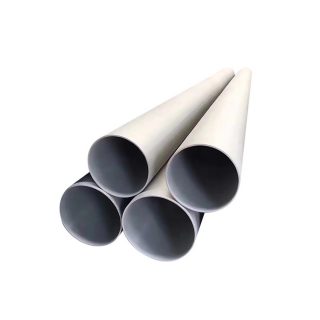
321 Stainless Steel Tube
Contact UsGrade: 200series, 300series, 400series, etc
Standard: ASTM/DIN/GB/JIS/AISI
Surface: No.1/2B/BA/NO.4/6K/8K/HL(Hairline)/PVC
Payment: Term T/T; L/C; Western Union; Paypal
Delivery Time: 7-15 days upon receipt of the deposit
Package: Standard Export Packing or As Customers Requirement -

Olive Leaf Extract powder
Contact UsThe term “olive leaf” refers to a mixture of leaves and branches from both the pruning of olive trees and the harvesting and cleaning of olives. The production of olive leaves from pruning is ~25 kg p
Reviews
There are no reviews yet.