Battery Storage for Sudden Load Changes From Crane Operation
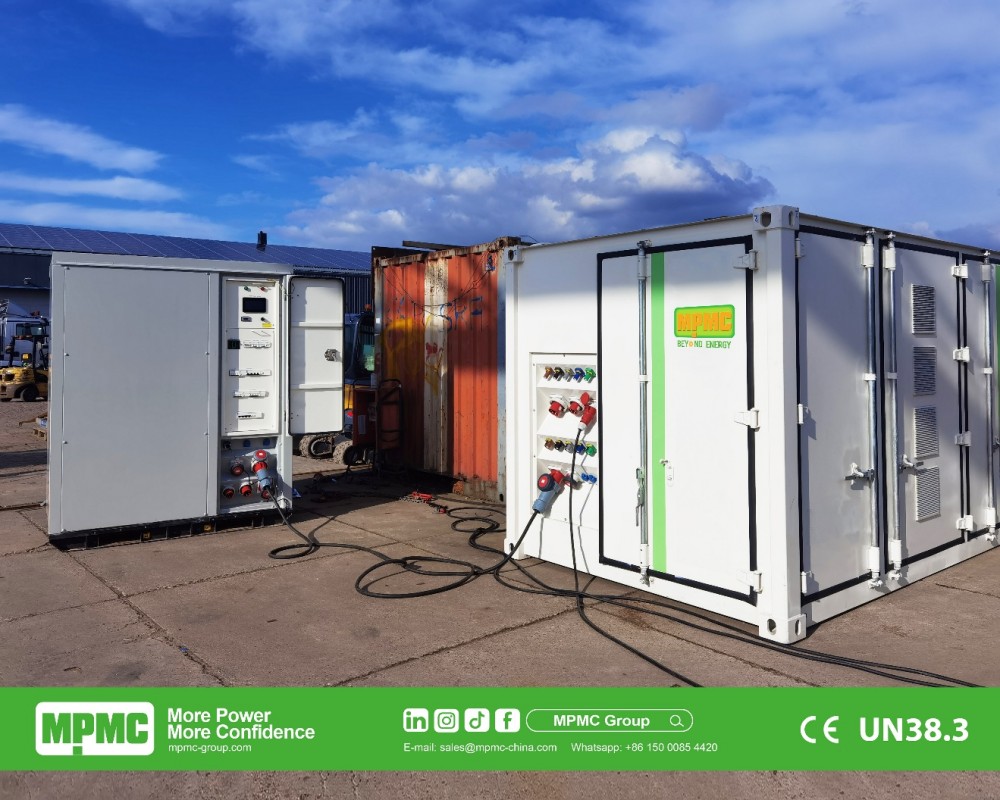
The MPMC HBD-R series battery energy storage system operates in parallel with a diesel generator set.
A crane’s hoist motor does not draw power smoothly — starting a lift, especially under load, produces a sharp inrush current spike that can be several times the crane’s average running draw, and a generator sized only for that average load will struggle with voltage dips or even stall every time the crane starts a new lift. This is a transient-response problem more than a total-capacity problem, and it needs a storage system engineered specifically for millisecond-level response rather than one optimised purely for sustained discharge.
Why Millisecond-Level Response Matters More Than Total Capacity Here
MPMC’s HBD-R Series is specifically engineered for millisecond-level transient load smoothing, designed from the outset as a companion to diesel generator sets on sites where equipment like cranes, elevators, and other safety-critical machinery create sharp, repeated load spikes. Rather than sizing the generator to cope with worst-case crane inrush current directly, the HBD-R absorbs the spike itself and lets the generator continue operating at its efficient, steady load point, which is a fundamentally different and more efficient approach than simply installing a larger genset to handle the same spikes.
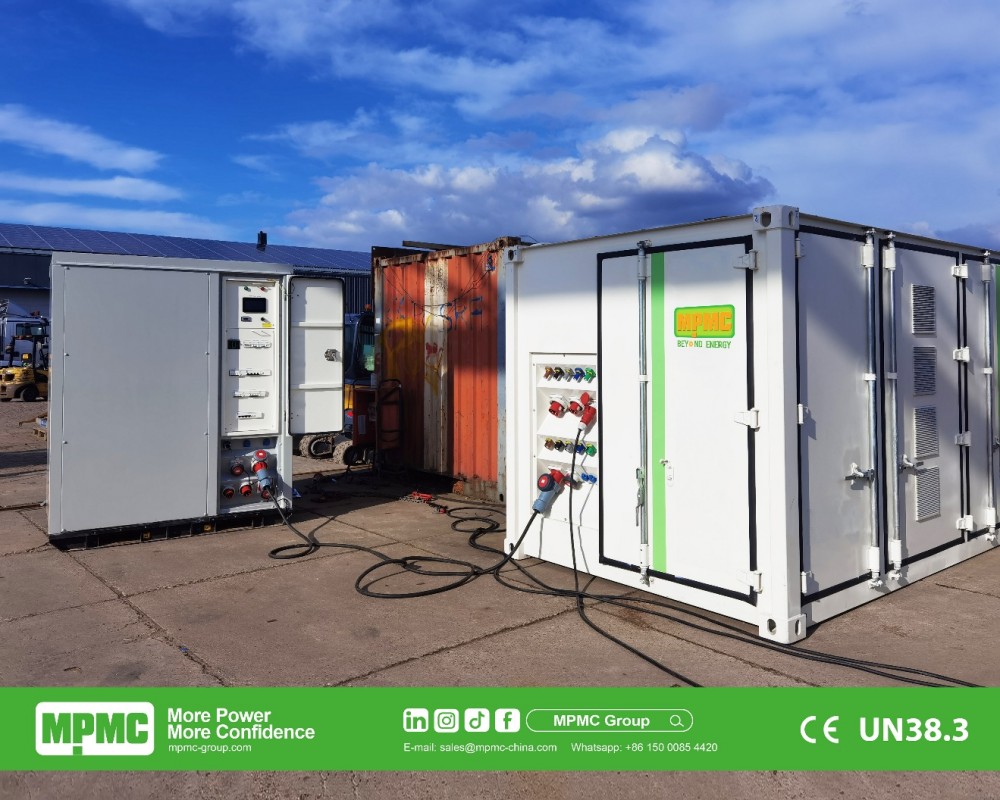
The MPMC HBD-R series battery energy storage system operates in parallel with a diesel generator set.
|
Construction Site Challenge |
How HBD-R Addresses It |
Documented or Stated Basis |
|
Crane hoist motor inrush spikes |
Millisecond-level transient load smoothing |
Core HBD-R Series design principle |
|
Generator oversizing to cope with peaks |
BESS absorbs peaks, generator runs at optimal ~75% load |
Documented mining/construction case data |
|
Reliable backup for safety-critical equipment |
BESS provides UPS-level function for cranes, elevators, formwork |
Stated MPMC application guidance |
|
Repeated high-inrush motor starts across a shift |
Ruggedised design for continuous rental/construction duty |
HBD-R Series product positioning |
|
Multiple pieces of load-spiking equipment on one site |
Scalable HBD-R units in parallel, 30 kW-610 kW range |
HBD-R Series specification range |
The Broader Fuel and Maintenance Case for Absorbing Crane Load Spikes
Beyond simply preventing a voltage dip during a lift, absorbing crane-driven load spikes with a BESS rather than an oversized generator carries the same documented efficiency benefits seen in other high-inrush applications: MPMC’s data associates this kind of BESS pairing with fuel consumption reductions of up to 75% and generator life extension of up to three times compared with sizing the generator for worst-case peaks alone, since the generator spends far more of its operating time at its efficient load point rather than idling under-loaded most of a shift to be ready for occasional crane starts.
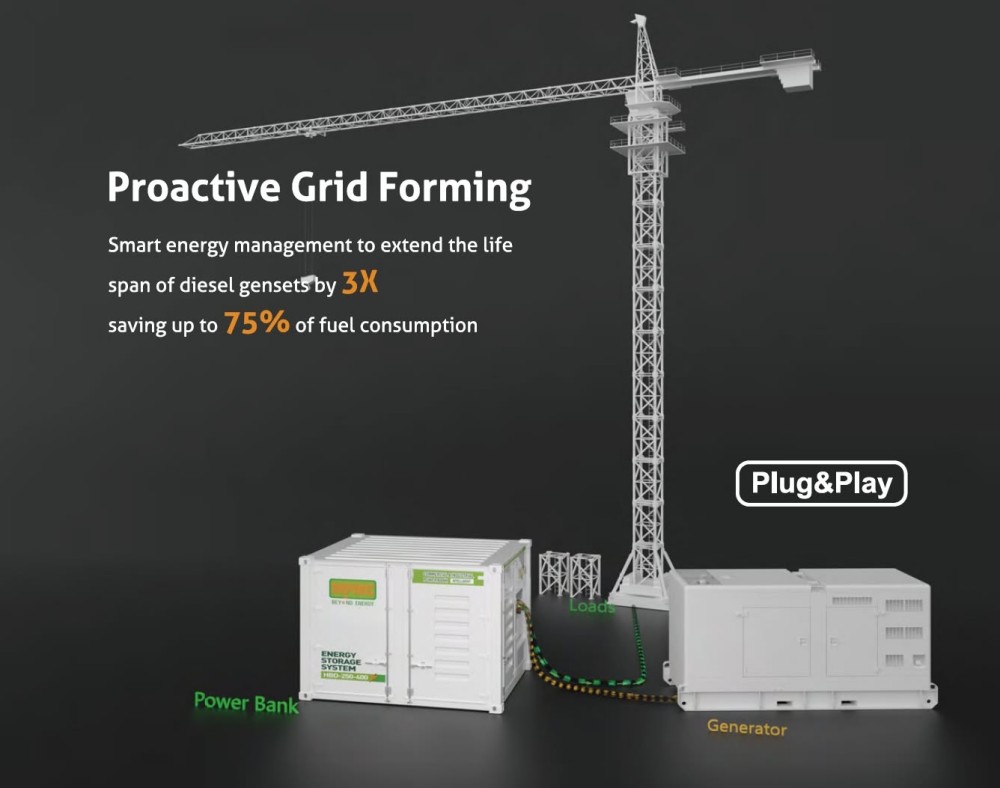
MPMC HBD-R series battery energy storage system operates in parallel with a diesel generator set, with fuel consumption reductions of up to 75%.
Sizing Considerations Specific to Crane Operations
A site evaluating BESS support for crane operation should provide a prospective supplier with the crane’s actual inrush current profile, not just its rated running power, along with how many lifts per hour the crane typically performs during peak activity, since this cycling frequency affects which HBD-R model size is appropriate. A site running a single tower crane intermittently has a very different requirement from one running multiple cranes and hoists in near-continuous rotation, and the correct BESS sizing should reflect that specific operating pattern rather than a generic crane-support recommendation.
Where MPMC Sits Against Other Suppliers for Crane and High-Inrush Applications
Some mobile storage products are marketed generally for construction sites without a specific transient-response design focus, which may leave voltage-dip problems only partially resolved when paired with genuinely spiky loads like a crane hoist motor. MPMC’s explicit millisecond-level transient smoothing design, combined with documented fuel-saving and life-extension data from comparable high-inrush deployments, gives a construction site buyer a more specific technical basis for evaluating fit than a general mobile power claim. A buyer should ask any competing supplier for their specific transient-response time and inrush-absorption capability, not just their steady-state power rating.
Questions to Ask a Supplier About Crane Load Support
• Request the storage system’s specific transient response time, not just its steady-state power rating
• Provide the crane’s actual inrush current profile and lift frequency for accurate sizing
• Confirm the system is designed as a genset companion rather than a standalone backup power source
• Ask for documented fuel-saving or generator life-extension data from a comparable high-inrush application
• Verify the system can scale in parallel if your site operates multiple cranes or hoists simultaneously
• Confirm compatibility with your site’s existing generator controller brand
Related products
-
UT 1.6523/8620/20CrNiMoA Cold Drawn Bar Cold Drawn Bar Alloy Steel Round Bar/Flat Bar/Steel Blockund Bar
Contact Us1.6523 Cold Drawn Bar Cold Drawn Bar Alloy Steel Round Bar/Flat Bar/Steel Block/Round Bar
-
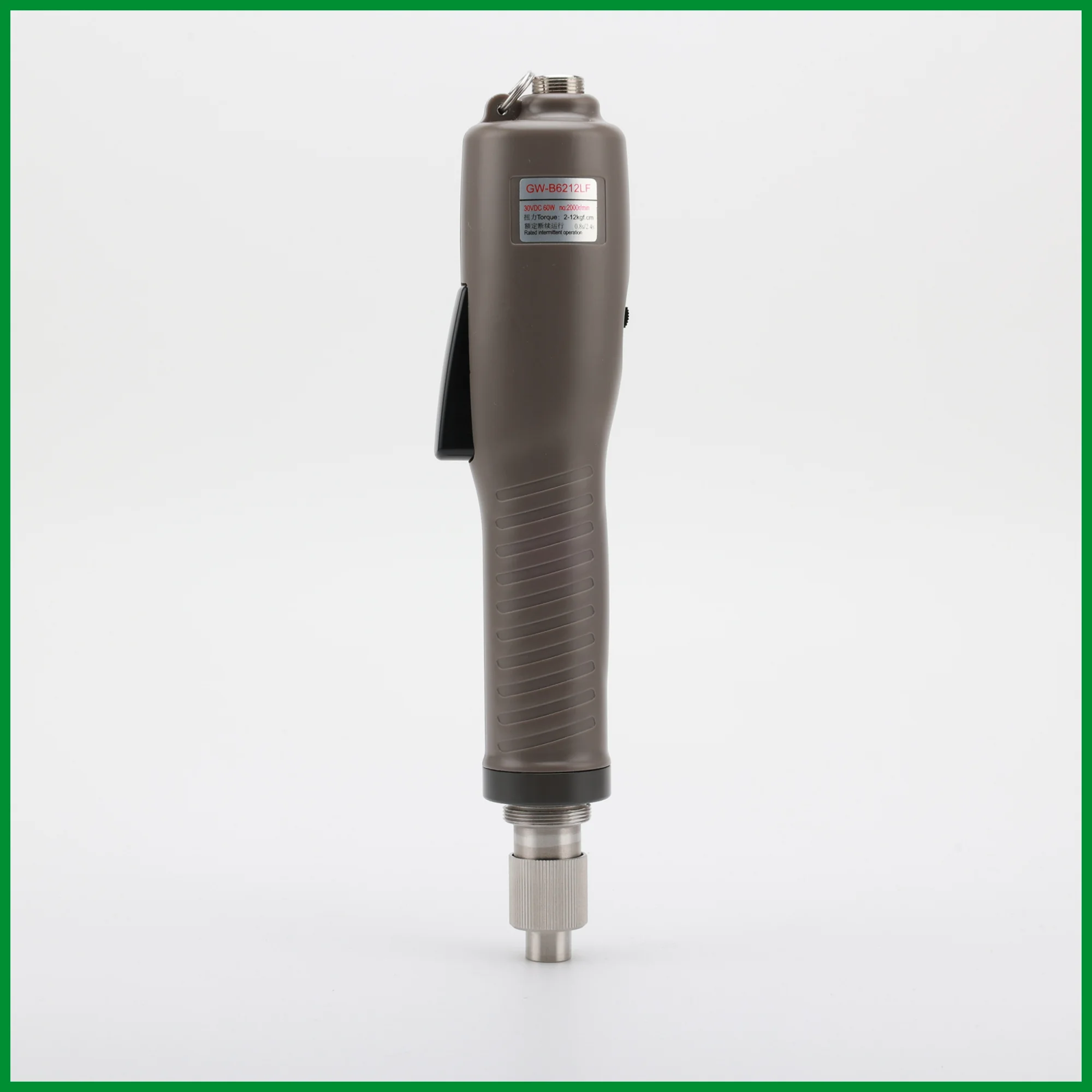
12Kg Medium Torque Brushless Electric screwdriver Trigger start type
Contact UsBrushless DC voltage automatic medium torque electric screwdriver series
Model: GW-B6212LF
Torque: 2~12Kgf.cm
Free Speed: HI 2000 / LO 1500 r.p.m -
MA-(0.8~4MM)×1300MM Steel Coil Slitting Equipment
Contact UsMA-(0.8~4MM)×1300MM Steel Coil Slitting Equipment can process the slitting of the coil with different sizes to small strips for processing various kinds of metal coil materials.
-
High-efficiency activated carbon attachment device
Contact UsHigh-efficiency activated carbon attachment device can quickly absorb pollutants in exhaust gas. The exhaust gas containing pollutants is powered by a fan and enters the activated carbon adsorber under negative pressure.
Reviews
There are no reviews yet.